




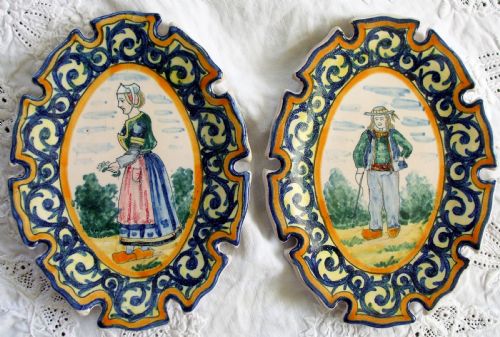
Blue Earthenware Figure
A blue earthenware figure brings the character of nineteenth-century parlours and international workshops directly into your home.
Blue Earthenware Figure
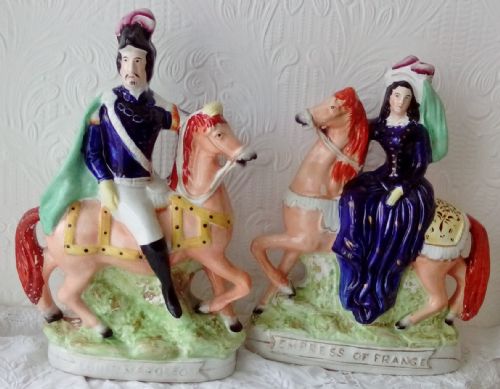
A blue earthenware figure represents the diverse sculptural output captured by this phrase, spanning Victorian Staffordshire pottery, Dutch Delftware, and Japanese ceramics. You encounter portrait subjects, animals, and theatrical pairs modelled in clay and finished with cobalt or enamels.
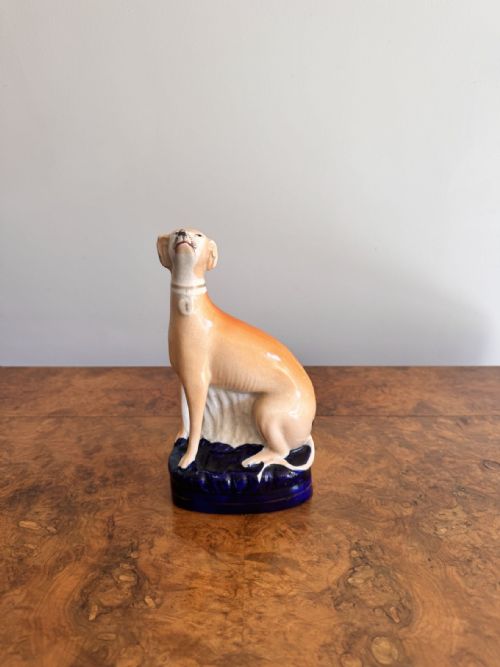
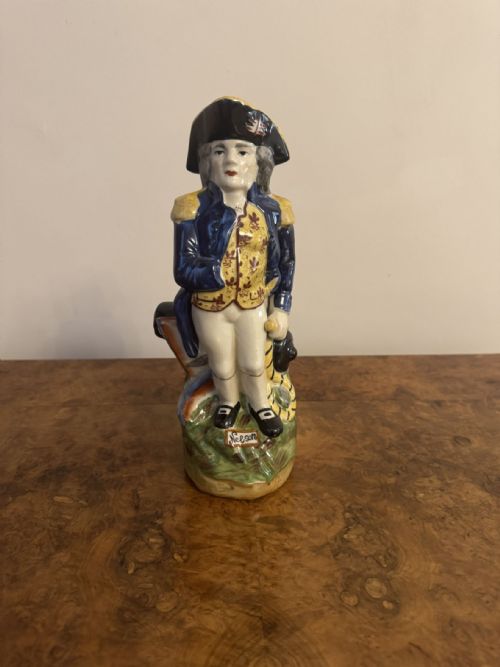
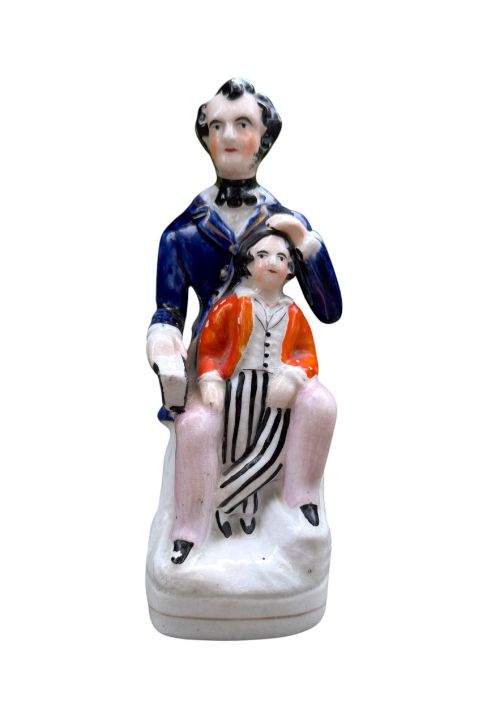
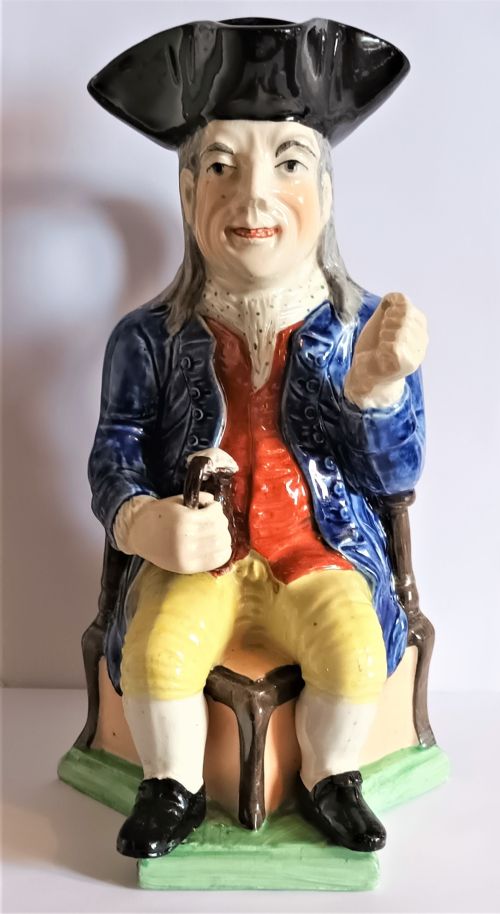
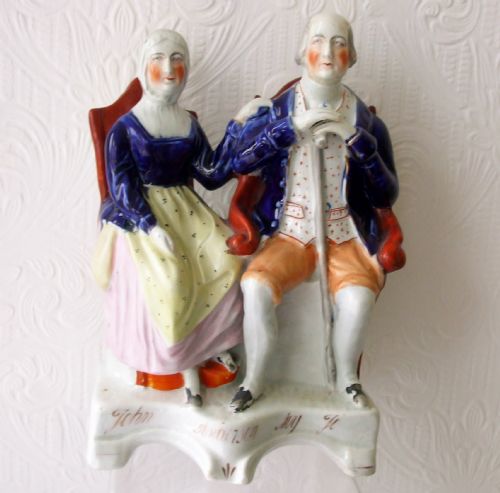
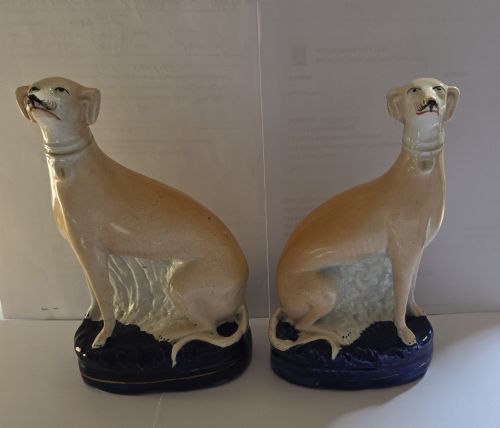
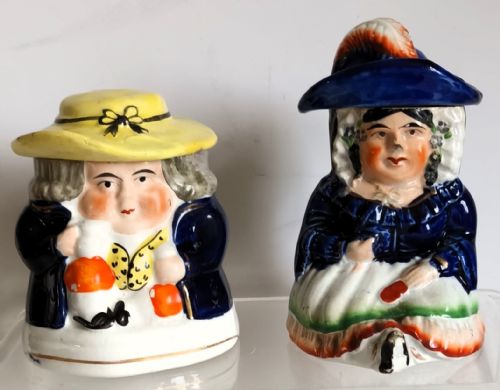
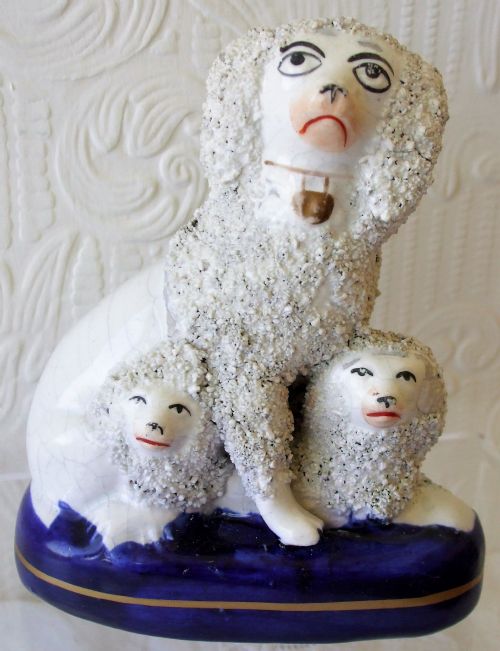
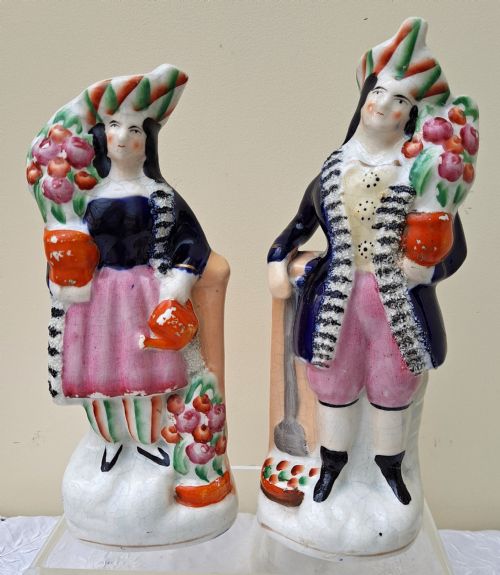
Most examples originate from nineteenth-century British kilns, taking the form of flatback ornaments, seated whippets, toby jugs, and royal portrait groups. These pieces were designed for mantelpieces, combining utilitarian functions like quill holders with decorative display.
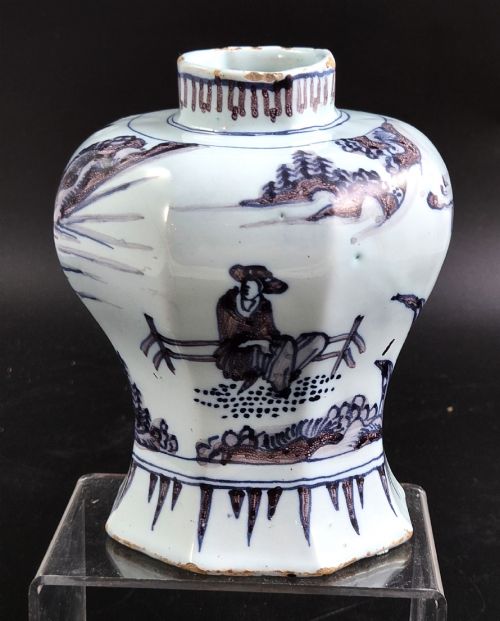
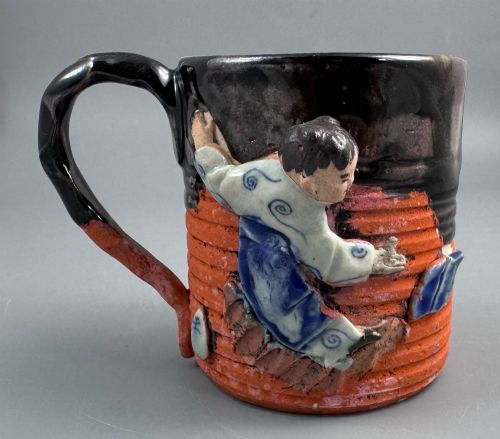
Beyond Staffordshire, the selection extends to continental faience and Asian wares featuring applied or glazed figures. Each version reflects the specific moulding and painting traditions of its period, from Dutch pottery cows to Meiji period vessels.
How they were made
Potters shaped these objects using earthenware clay, pressing it into multi-part moulds to achieve the desired sculptural form. The raw clay was then fired to create a porous ceramic body ready for decoration.
Makers applied glazes, lead glazes, and enamel paints to the surface, incorporating cobalt blue pigments to create the characteristic deep colour. A subsequent kiln firing fused these vitreous coatings permanently to the pottery body.
Blue Earthenware Figure Retail Price Guide 2026
Typical asking prices for blue earthenware figure among the pieces listed under this phrase on Sellingantiques today, from the lower quarter to the upper quarter. They describe what is for sale here now, not the wider market.
Some nineteenth-century dogs hold ink in their baskets and quills in their mouths, ready for correspondence.
What varies in quality
The sophistication of the glaze application also dictates the standard of a piece. Superior pottery shows an even, lustrous coat that highlights the underlying relief work without pooling heavily in the recesses.
The Blue Earthenware Figure Glossary
- Earthenware
- A porous ceramic body fired at lower temperatures than stoneware or porcelain. It requires a vitreous glaze to render it impermeable to liquids.
- Flatback
- A Staffordshire pottery figure style where the back remains largely unmodelled and undecorated. This design allowed the ornament to sit flush against a wall or mantelpiece.
- Toby jug
- A pottery jug modelled as a robust seated figure, typically wearing eighteenth-century attire and a tricorn hat. These vessels often served practical functions at the dining table.
- Lead glaze
- A glossy coating containing lead oxide applied to pottery before firing. It produces a transparent, smooth finish that accentuates the body beneath.
- Sancai
- A three-colour lead glaze tradition known for amber, green, and creamy white or blue tones. It frequently appears on early funerary figures and ceremonial vessels.
Blue Earthenware Figure: Frequently Asked Questions
Where were these figures displayed?
Owners placed these ceramic figures predominantly on mantelpieces, sideboards, and occasional tables within nineteenth-century domestic interiors. They served as affordable decorative ornaments that displayed personal taste, loyalty to public figures, or an appreciation for animals.
Larger groups and spill vases often occupied central positions in the parlour, while smaller items like quill holders sat on writing desks.
What subjects are most common?
Victorian Staffordshire items frequently depict royalty, military heroes, literary characters, and domestic animals such as whippets, poodles, and dalmatians. Pairs of theatrical figures and historical personalities also appear with great regularity.
Other traditions introduce continental landscapes, religious subjects, or court attendants from Japanese workshops.
How do I care for antique earthenware?
Keep antique earthenware away from direct sunlight and areas prone to sudden temperature fluctuations. Dust the surface gently with a soft, dry brush to prevent the accumulation of dirt in recessed glaze details.
Avoid using water or chemical cleaners on porous ceramic bodies or painted enamel surfaces, as moisture can penetrate old hair-cracks and damage the fabric.