


Staffordshire Ceramic Figurine
These Staffordshire ceramic figurine pieces offer a glimpse into nineteenth-century domestic life, combining naïve charm with characterful portraiture that collectors prize for display.
Staffordshire Ceramic Figurine
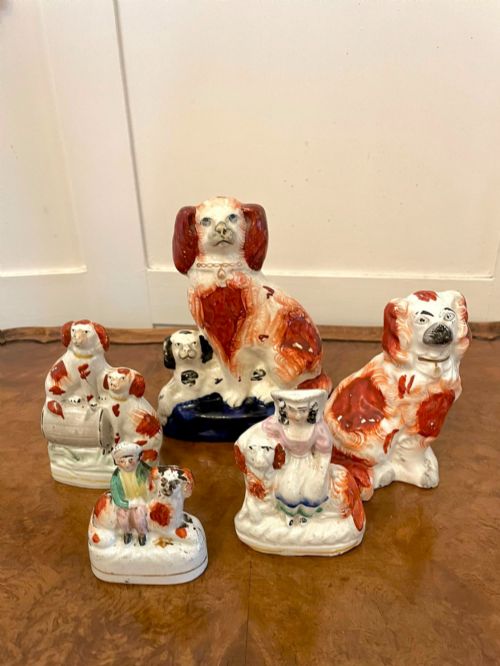
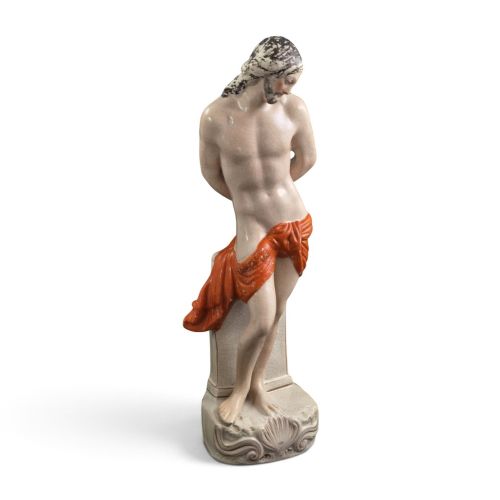
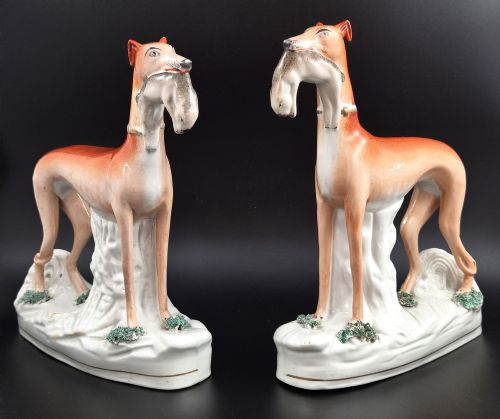
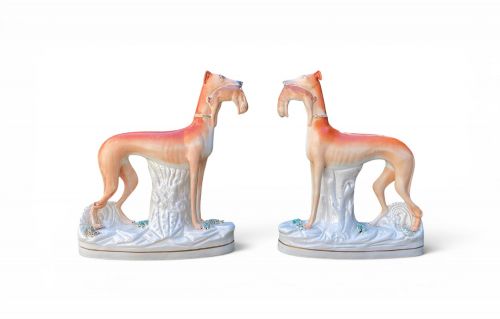
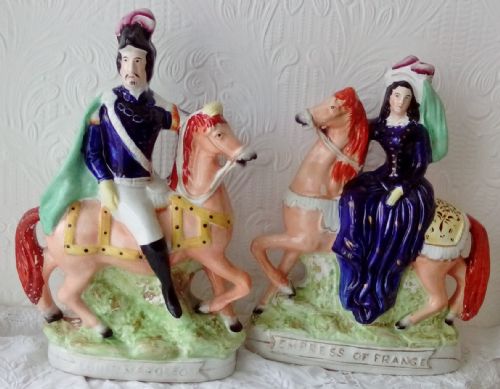
A Staffordshire ceramic figurine captures subjects ranging from domestic animals like spaniels and greyhounds to theatrical characters and historical figures like Lord Nelson or Queen Victoria. When searching this phrase, buyers encounter nineteenth-century earthenware and pottery pieces created primarily for mantelpiece display in homes.
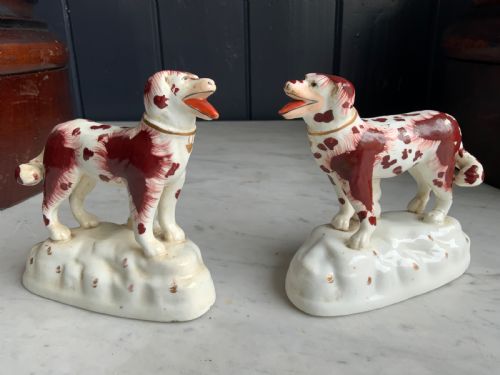
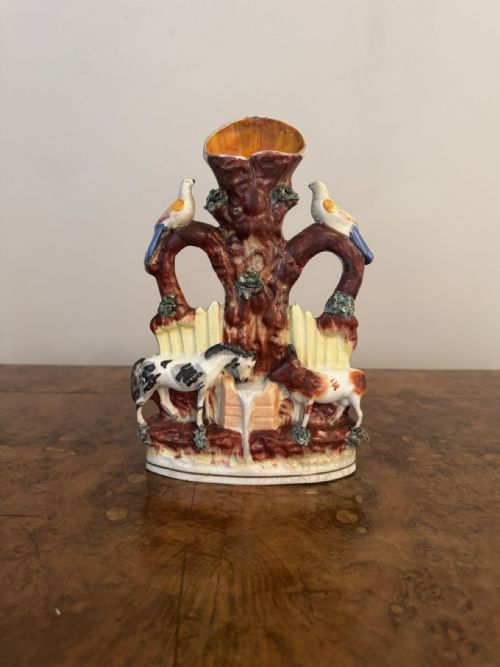
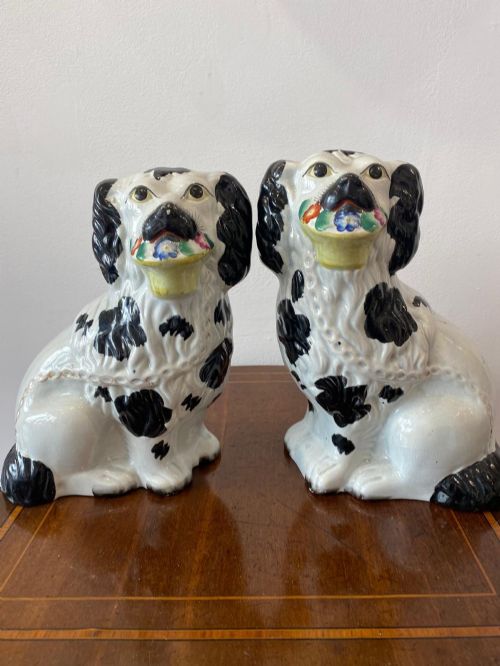
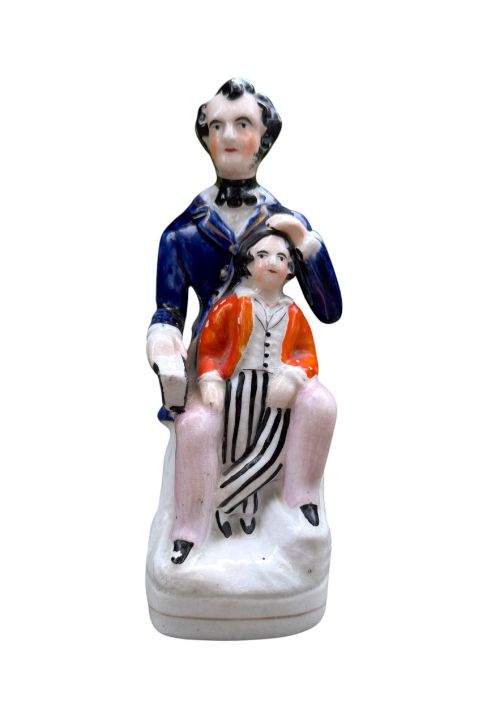
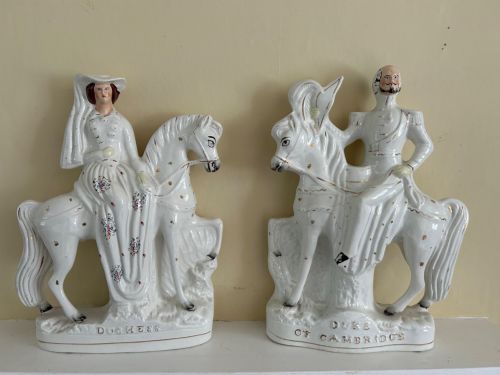
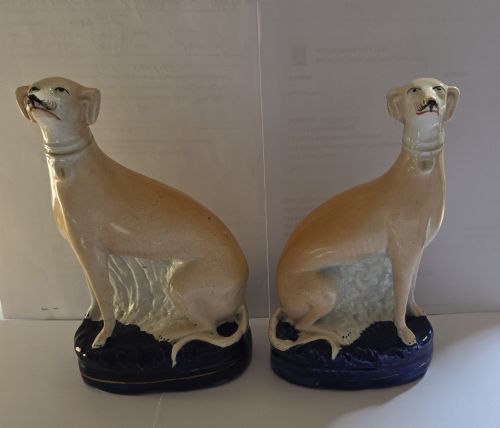
The most common forms on this page include pairs of seated dogs, spill vases featuring animals, and flatback portrait figures designed to stand against a wall. These objects bridge popular culture and folk art from the Victorian era, reflecting the public figures and everyday scenes that fascinated people of the period.
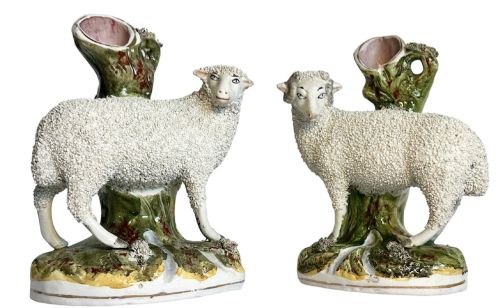
Origins trace directly to English potteries active during the nineteenth century, encompassing styles described as Victorian, Georgian, and Regency. Pieces vary from simple sheep spill vases to detailed figures depicting the Crimean War or literary subjects.
How They Were Made
Potters utilised earthenware and pottery as the core base materials, shaping the figures through moulding and hand-modelling before firing. Many examples incorporate a pearlware body or standard ceramic clay.
Keep a sharp eye out for ceramic pugs wearing knowing expressions, faithfully guarding the mantelpiece alongside rows of attentive spaniels.
What Varies in Quality
The standard of modelling and painting defines the upper tier of these figures, where artists applied enamels with precision rather than broad, hurried strokes. Finer examples retain crisp facial expressions and clear detailing on clothing, fur, and gilt accents.
Consistency in the fired glaze and the preservation of original hand-painted colours separate superior pieces from simpler, mass-produced workshop output. Matched pairs with intact decoration command greater attention from collectors than mismatched or heavily worn individual figures.
John Bevington·Longton Hall
The Staffordshire Ceramic Figurine Glossary
- Flatback
- A pottery figure moulded with a finished front and a flat, unpainted or simply glazed back designed to sit flush against a wall or mantelpiece.
- Spill Vases
- A hollow ceramic figure incorporating an attached small cylinder used to hold wooden spills for lighting pipes and candles.
- Pearlware
- A refined earthenware developed in the late eighteenth century featuring a subtle bluish tint in the glaze that pooled around crevices.
- Cow Creamer
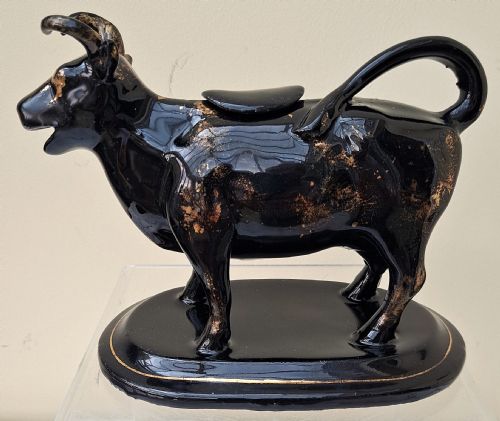
- A hollow vessel shaped as a cow with a removable lid on the back and milk pouring from the mouth.
- Toby Jug
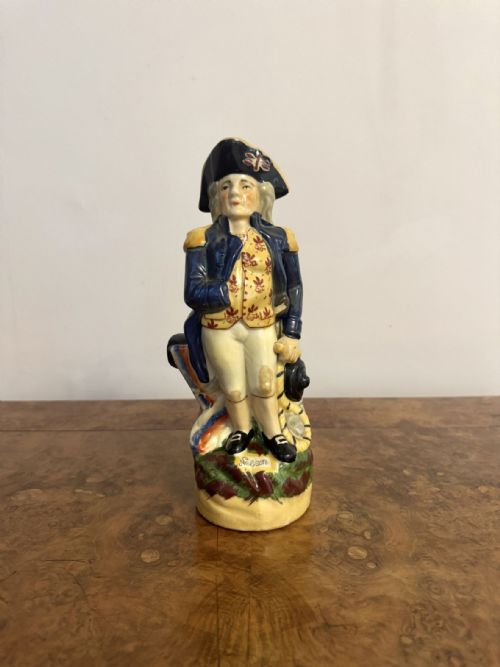
- A pottery jug shaped as a full-bodied human figure, usually a robust character wearing eighteenth-century attire and holding a mug or jug.
Staffordshire Ceramic Figurine: Frequently Asked Questions
What are Staffordshire flatback figures?
Staffordshire flatback figures are earthenware ornaments made during the nineteenth century with decorated fronts and plain flat backs. They were produced in large numbers to be displayed on cottage mantelpieces.
Makers designed them to face forward, depicting royalty, military heroes, literary characters, and everyday animals. Their flat rear surfaces made them cheap to produce and easy to place against cottage walls.
How were nineteenth century pottery dogs used?
Nineteenth century pottery dogs, particularly spaniels and greyhounds, served primarily as decorative ornaments placed on mantelpieces in pairs facing one another. They became staple items in Victorian parlours.
Beyond simple decoration, some dog forms doubled as spill vases designed to hold wooden matches or tapers near the hearth. Comforter spaniels were traditionally placed on either side of the fireplace to watch over the room.
How do I date a ceramic figurine?
Dating a ceramic figurine involves examining the base clay, glaze characteristics, and the style of clothing or subject matter depicted. Victorian pieces often show specific glaze pooling and hand-painted enamel colours typical of mid-nineteenth-century kilns.
Historical subjects also provide clues, as figures commemorating events like the Crimean War or specific royal reigns align with precise historical years. Comparing the moulding style to known period pieces helps narrow down the decade of production.
Are Staffordshire figures made of porcelain?
Most Staffordshire figures are made from earthenware or pottery rather than true porcelain, though occasional pieces utilised porcelain bodies. Earthenware provided a sturdy, porous base that accepted bright lead glazes and enamel colours easily.
Potters shaped these earthenware bodies using moulds before firing them at lower temperatures than porcelain requires. This technique allowed regional factories to produce affordable decorative items in high volumes.