



Blue Earthenware Display Plate
A blue earthenware display plate brings deep cobalt colour and historical narrative straight to a wall or cabinet.
Blue Earthenware Display Plate
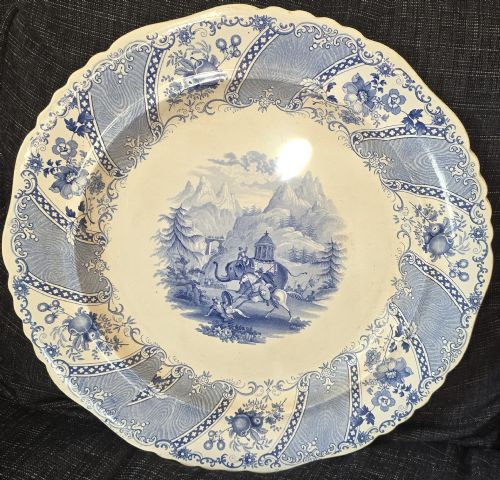
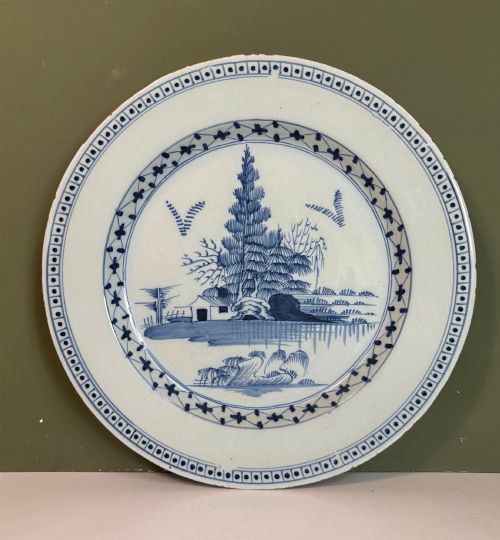
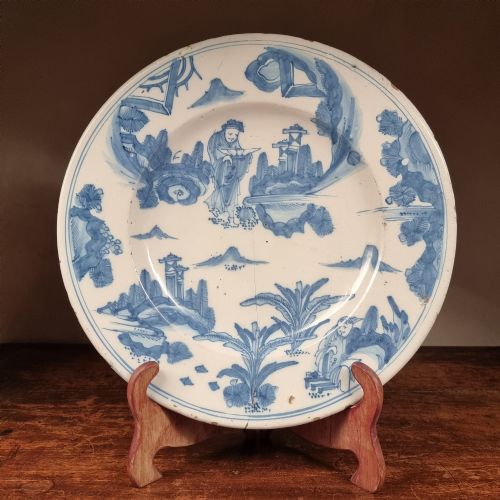
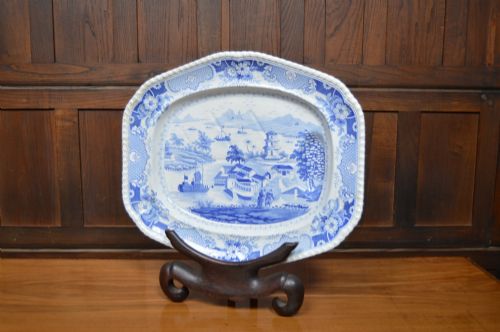
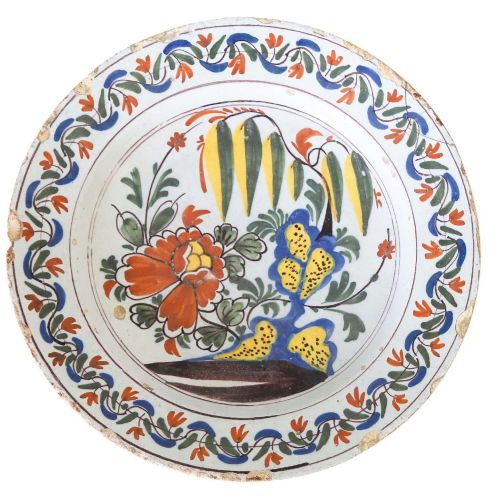
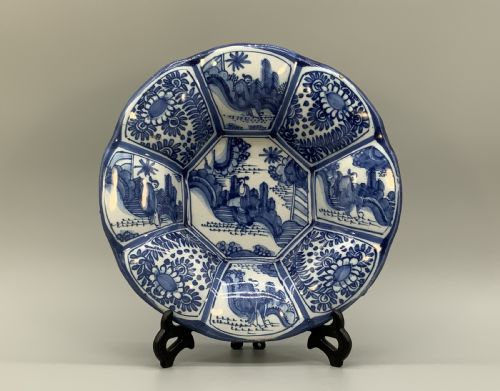
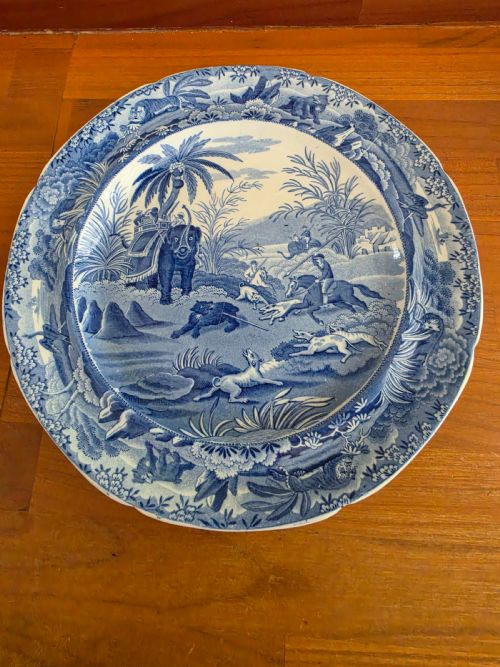
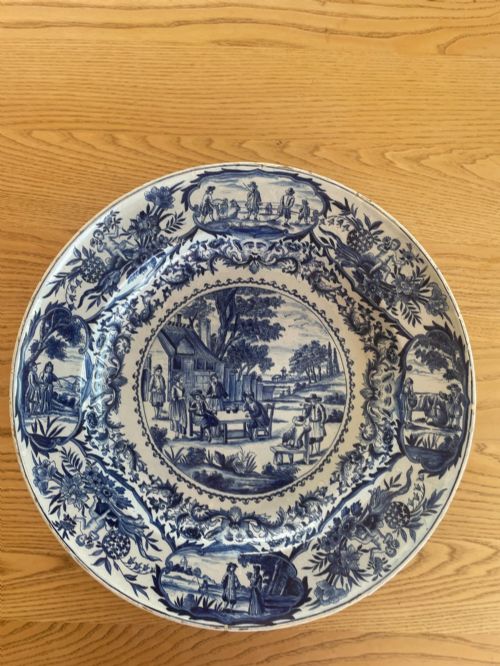
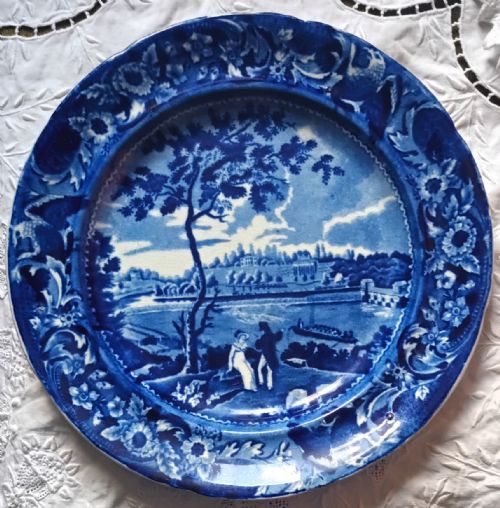
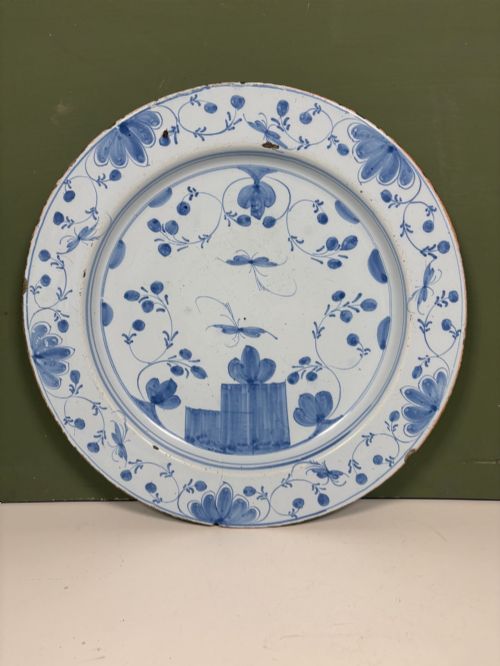
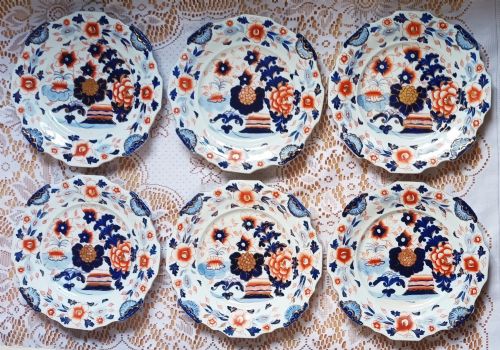
A blue earthenware display plate sits at the intersection of utilitarian pottery and decorative wall art, spanning centuries of ceramic tradition. When you search for a blue earthenware display plate, you encounter larger chargers and plates designed primarily for visual impact rather than dining.
The pieces on this page draw from 17th-century origins through to Victorian production, encompassing Dutch Delftware, English transferware, and tin-glazed earthenware. Delft chargers and transfer-printed plates dominate the selection, often featuring pictorial scenes, Chinoiserie motifs, or botanical patterns.
Formations range from standard cabinet plates to massive wall chargers spanning significant diameters. Origins trace across English potteries and Dutch workshops, reflecting diverse regional interpretations of blue and white ceramics.
What varies in quality
The crispness of the cobalt pigment application defines the visual success of the piece, separating loosely rendered brushwork from finely detailed pictorial transferware. Depth of glaze and uniformity of the tin-glazed surface also dictate the overall richness of the object.
Scale and ambition separate standard plates from major chargers, particularly where complex historical or armorial narratives occupy the centre. The survival of the original glaze and the integrity of the earthenware body govern the long-term character of each item.
Listings incorporate earthenware and tin-glazed earthenware spanning the 17th century through the Victorian era.
William Smith And Co·Spode·Stubbs·William Adams·Minton·Elkin And Newbon
The Blue Earthenware Display Plate Glossary
- Earthenware
- Porous pottery fired at lower temperatures, requiring a glaze to hold liquids and provide a smooth decorative surface.
- Tin Glaze
- An opaque white glaze containing tin oxide, used extensively on Delftware to hide the darker clay body beneath.
- Transferware
- Pottery decorated by pressing a paper transfer inked from an engraved copper plate onto the ceramic surface before firing.
- Charger
- A large decorative plate intended for display on a wall or sideboard rather than for service at the dining table.
- Chinoiserie
- European decorative motifs imitating Chinese artistic styles, prevalent on 17th and 18th-century blue and white ceramics.
Blue Earthenware Display Plate: Frequently Asked Questions
How were display plates hung historically?
Large chargers and display plates were frequently mounted on walls or displayed on dressers to showcase imported blue and white designs or commemorative scenes. Households used specialised wire hangers or displayed them upright on plate rails.
Today, hanging methods require padded clips or secure wall brackets that distribute the weight of heavy earthenware safely without damaging the rim.
Can these plates still hold food?
Most antique display plates possess porous earthenware bodies and historic glazes that are not suited for modern culinary use or dishwashers. Crazing in the glaze can absorb moisture and oils over time.
They remain strictly decorative objects meant for visual enjoyment in cabinets or mounted securely on walls rather than active dining service.
How do I identify a 17th-century charger?
Early 17th-century pieces often display Kraak styles or Dutch Delft characteristics with thick earthenware bodies and characteristic tin glazes. The weight tends to be heavier due to coarser historical potting techniques.
Examining the footrim reveals unglazed clay that shows age and wear consistent with centuries of handling.