



Blue Dress Oil Painting
A blue dress oil painting brings centuries of portraiture into the room, capturing silk gowns, mantles, and sitters through rich layered pigments.
Blue Dress Oil Painting
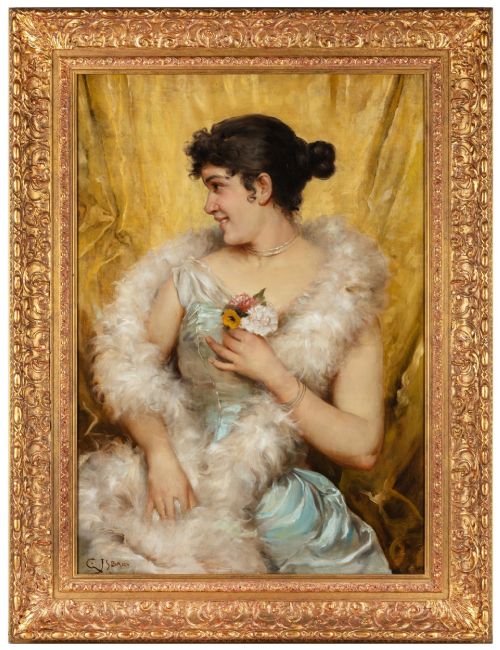
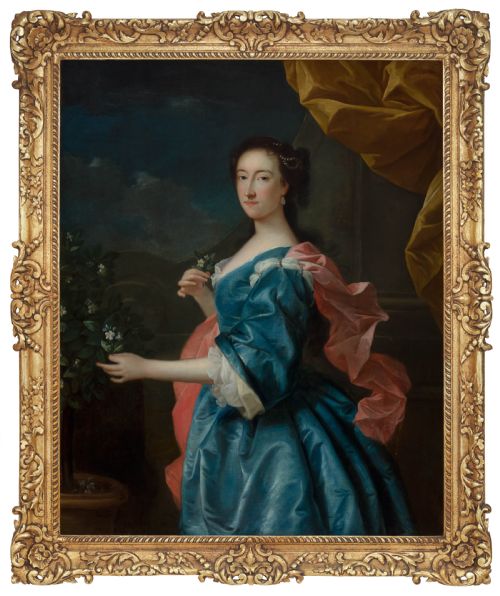
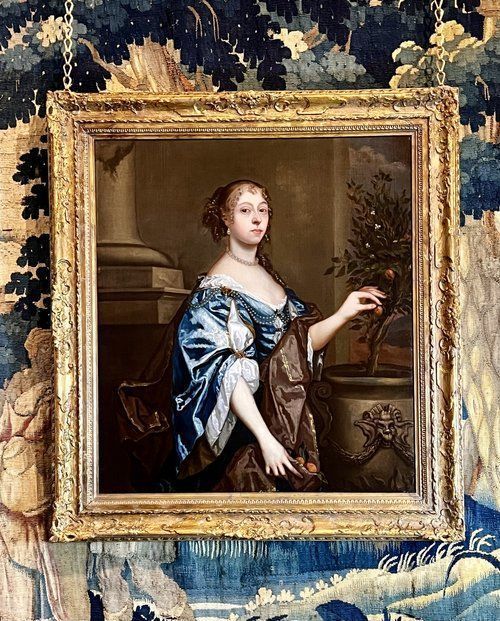
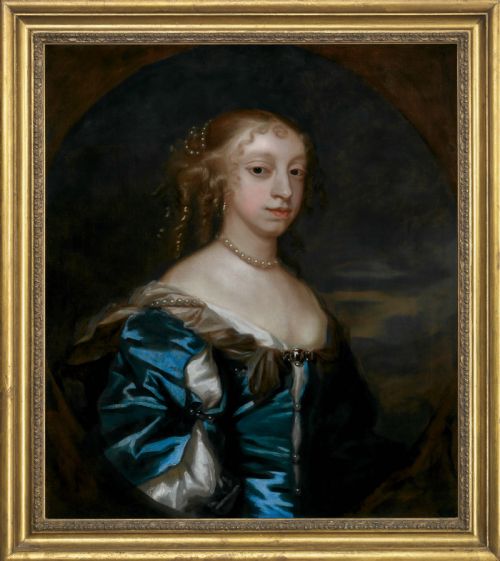
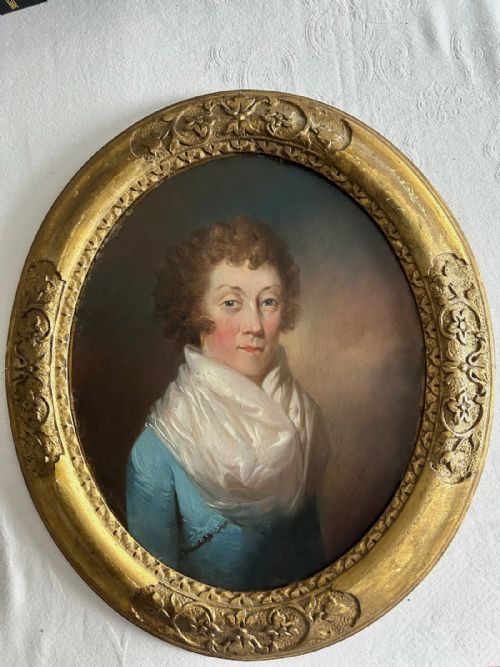
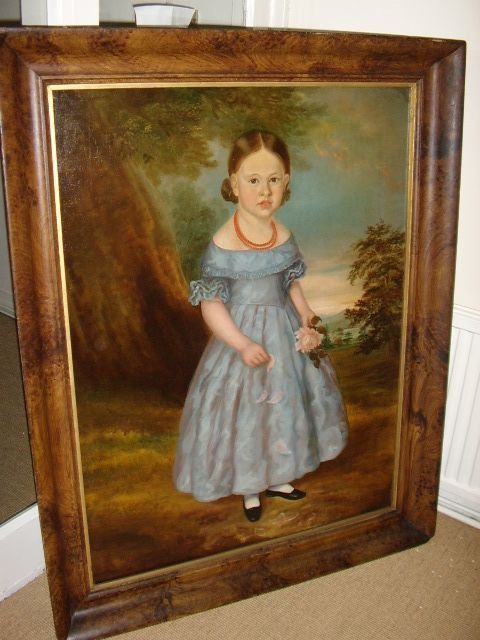
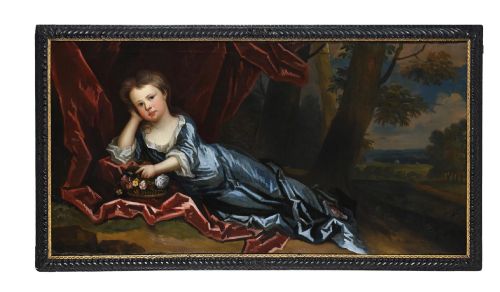
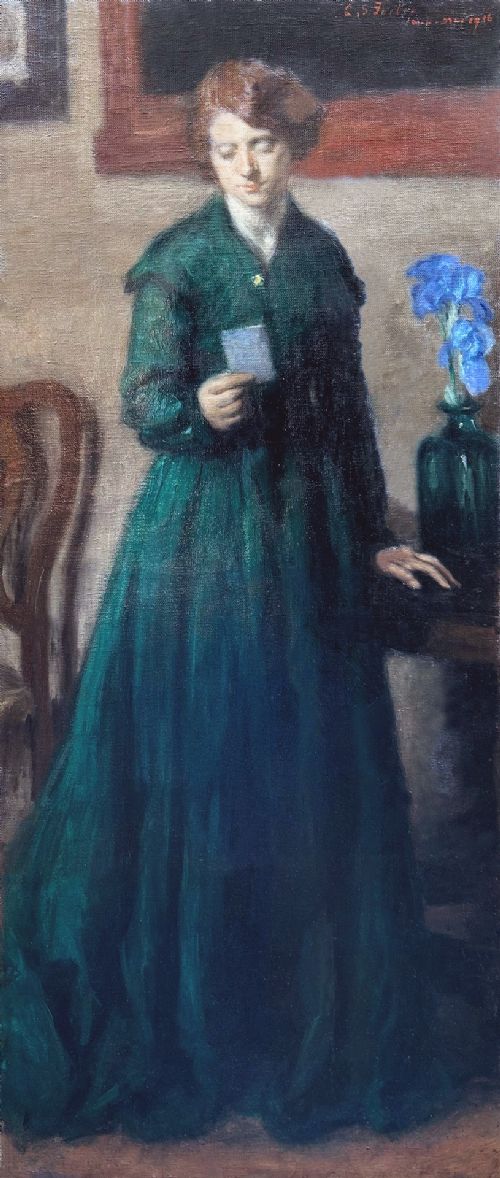
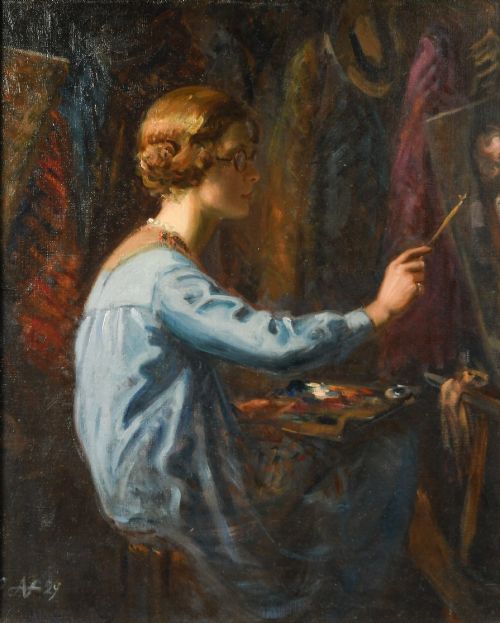
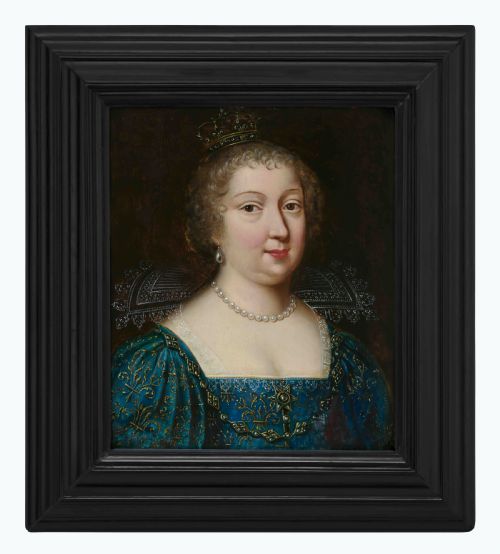
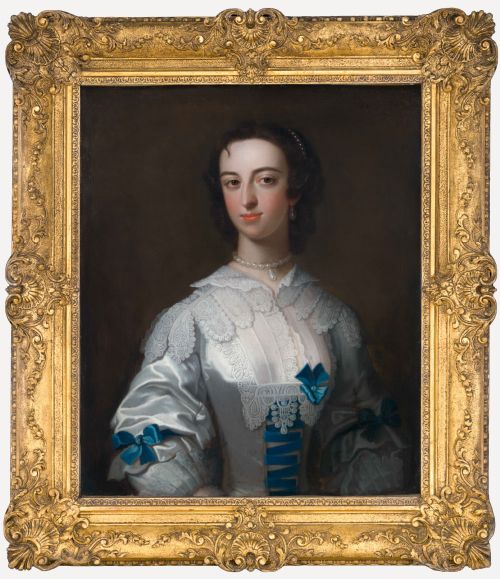
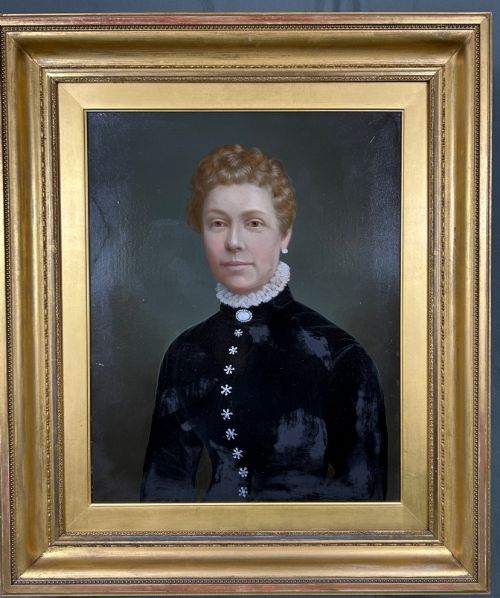
A blue dress oil painting focuses primarily on historical portraiture depicting female sitters adorned in distinct blue garments, ranging from 17th-century silk gowns to 19th-century velvet attire.
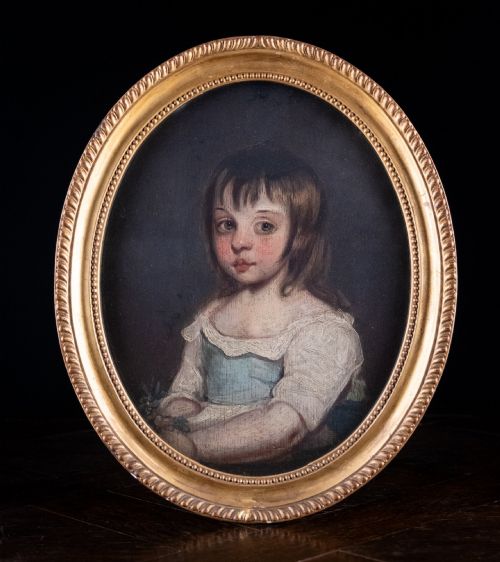
The selections span distinct periods including the 17th Century, 18th Century, Regency, and Victorian eras, often recording aristocratic figures, country girls, or family members.
Most examples originate from British and European schools, presenting either intimate panel portraits or large-scale canvas works framed in period giltwood.
How They Were Made
Artists built these compositions primarily using oil paint applied to stretched canvas, wooden panels, or occasionally zinc panels.
Pigments were layered to render the texture of blue silk, velvet gowns, and drapery, often accompanied by decorative elements like gilt wood and gilded frames.
Blue Dress Oil Painting Retail Price Guide 2026
Typical asking prices for blue dress oil painting among the pieces listed under this phrase on Sellingantiques today, from the lower quarter to the upper quarter. They describe what is for sale here now, not the wider market.
Several noble sitters share the canvas with unexpected companions, including garden oranges, lambs, and watchful chow dogs.
What Varies in Quality
The sophistication of brushwork and anatomical rendering distinguishes academy works from primitive or naive folk art examples.
The preservation of the original canvas, panel stability, and the integrity of the underlying oil layers determine the overall condition of the surviving piece.
The craftsmanship of the accompanying frame, particularly period giltwood and carved wooden mouldings, contributes to the historical completeness of the artwork.
Charles Jervas·Jeremiah Davison·Pieter Borsseler·John Riley·Henry Pickering·Thomas Murray·Michael Dahl·Jonathan Richardson·Charles D'Agar
The Blue Dress Oil Painting Glossary
- Oil on Canvas
- Pigments mixed with drying oils applied to woven fabric stretched across a wooden frame. This surface allowed artists to create rich textures and blended tones for garments.
- Giltwood
- Wood carved and covered with a thin layer of gold leaf or gold paint. These decorative frames surround many historical portraits.
- Panel Painting
- Artwork executed on a flat piece of wood rather than canvas. This support was common in earlier centuries before canvas became dominant.
- Provenance
- The documented history of ownership of an artwork. It traces the lineage of a portrait from its creation to the present collection.
Blue Dress Oil Painting: Frequently Asked Questions
How do I identify the period of a portrait?
Clothing styles, hairstyles, and framing techniques offer the clearest chronological markers for historical portraits. Examining the construction of the canvas or panel also helps narrow down the date of creation.
Sitters frequently wore garments fashionable during their lifetime, allowing specialists to cross-reference dress history with recorded sitters or artist active dates.
What is a mantle in historical portraits?
A mantle is a loose cloak or wrap worn over the primary gown, often rendered in a contrasting or complementary blue hue. Painters utilised these draped fabrics to add depth and movement to seated compositions.
In many 17th and 18th-century works, the blue mantle serves as a classic artistic convention to draw the eye toward the central figure.
Are these paintings signed by the artist?
Many historical oil portraits remain unsigned because artists of earlier centuries frequently left works uncredited unless commissioned for major official collections. Signatures, when present, may appear subtly in lower corners or on the reverse of the canvas.
Attributions often rely on stylistic comparisons, historical records, and documented provenance rather than an explicit signature on the front.
How should I care for an antique oil painting?
Display the artwork away from direct sunlight and dramatic fluctuations in temperature or humidity to protect the canvas and oil pigments. Avoid using liquid cleaners on the painted surface or the giltwood frame.
Professional conservators should handle any cleaning, varnish removal, or structural repairs required to maintain the stability of the wood or canvas support.