


Blue Ceramic Table Lamp
A blue ceramic table lamp brings concentrated colour and historic form into a room by turning antique vessels into practical lighting.
Blue Ceramic Table Lamp
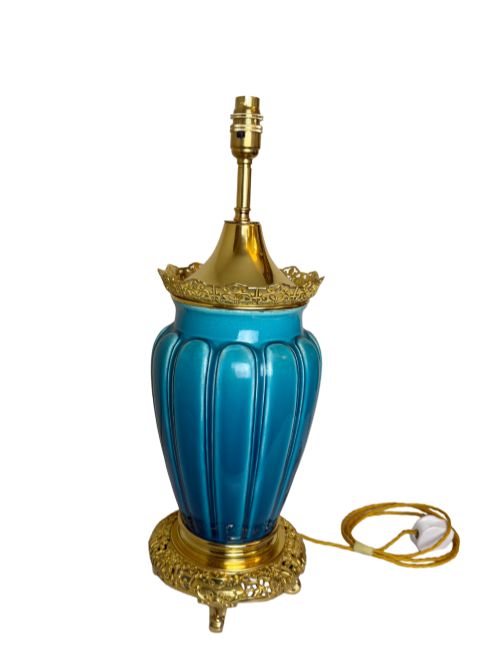
A blue ceramic table lamp combines historical vessels with domestic lighting, transforming items originally made for entirely different purposes into functional objects. When searching for a blue ceramic table lamp, buyers frequently encounter pieces created from converted vases, ginger jars, and apothecary jars rather than objects manufactured specifically as lamps from the outset.
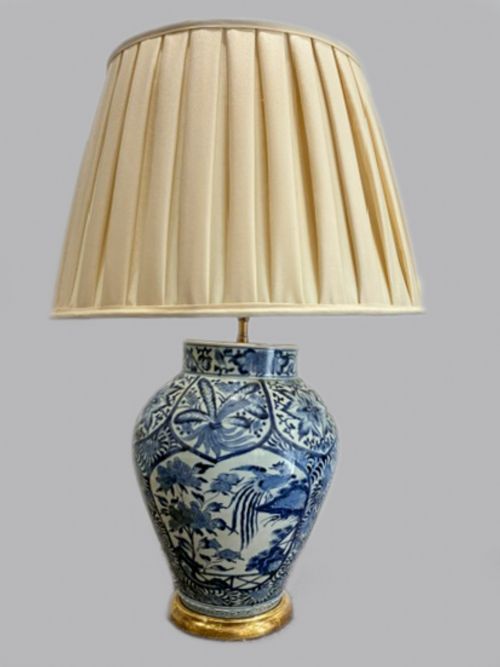
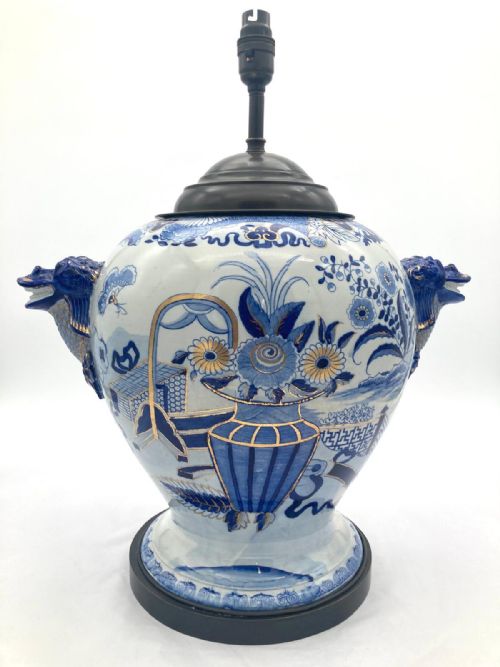
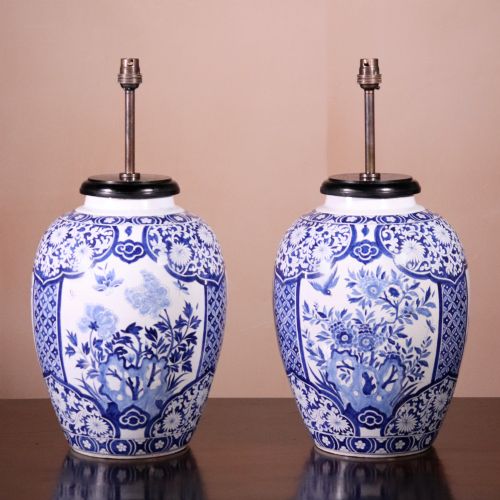
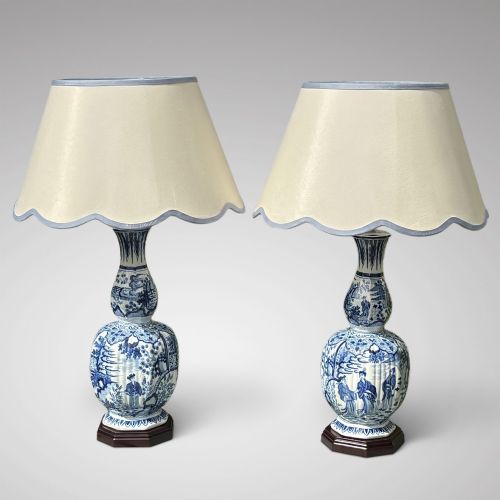
The selection spans centuries of global ceramic traditions, incorporating Dutch Delftware, English ironstone, and extensive Far Eastern production including Chinese blue and white porcelain and Japanese Satsuma ware. Many examples originate from the nineteenth century, alongside pieces dating back to the seventeenth and eighteenth centuries.
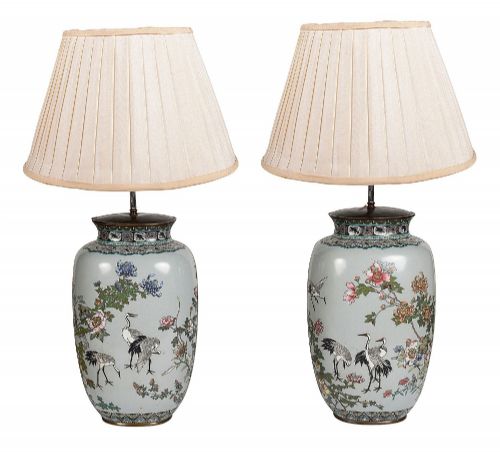
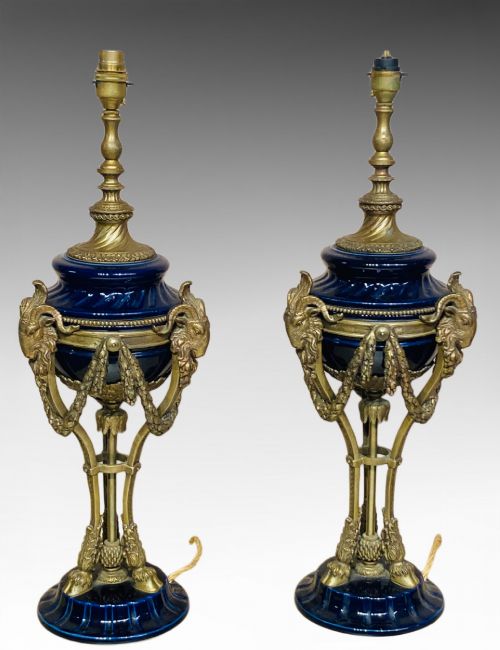
Conversion methods vary considerably across these items, with some retaining simple mounts while others incorporate fitted bases, gilt bronze, or ormolu trim. Buyers will find both individual statements and matched pairs designed to sit upon side tables and desks.
Materials and construction
Construction relies heavily on traditional ceramic bodies such as porcelain, earthenware, and faience, combined with structural metals like brass and gilt bronze used for mounts, bases, and electrical fittings. Vases and jars formed on the potter's wheel or in moulds received cobalt blue decoration under the glaze, or turquoise and powder blue coloured glazes, before undergoing high-temperature firing.
The process of conversion often involved careful drilling of the ceramic base to pass wiring through, securing the vessel to a metal or glass plinth, and attaching standard lamp fittings and fabric or silk shades. Metal components were frequently cast and chased in ormolu or left as patinated brass to support the weight of the ceramic body.
Blue Ceramic Table Lamp Retail Price Guide 2026
Typical asking prices for blue ceramic table lamp among the pieces listed under this phrase on Sellingantiques today, from the lower quarter to the upper quarter. They describe what is for sale here now, not the wider market.
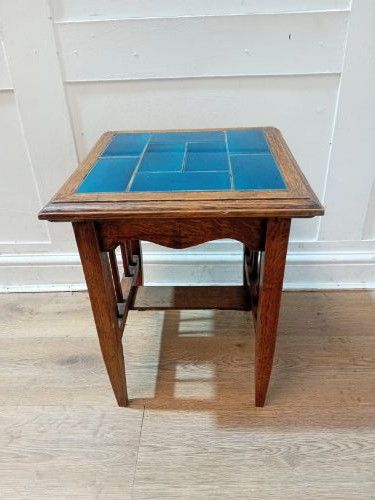
The selection includes forms transformed into functional lighting, spanning Chinese ginger jars, Japanese Arita vases, apothecary jars, and side tables with tile tops.
Evaluating quality and execution
Quality rests primarily on the integrity and artistic merit of the original ceramic vessel, where crispness of the hand-painted cobalt pigment, depth of the turquoise or powder blue glaze, and refinement of the potting distinguish superior examples from standard production. Vases with well-preserved crackleware patterns or intricate pictorial scenes display greater technical mastery.
The standard of conversion and mounting heavily influences the overall execution, particularly the precision of the metal mounts in ormolu or brass, the stability of the base, and the discretion with which the wiring is integrated into the historical piece.
Royal Doulton·Hicks and Meigh·Burmantofts Faience
The Blue Ceramic Table Lamp Glossary
- Celadon
- A type of ceramic glaze originating in China, known for its jade-green or pale blue-green hue produced by iron oxide in the reduction firing. It creates a subtle, translucent finish on heavy porcelain bodies.
- Cloisonné
- An enamel technique where metal wires are soldered to a base to form compartments, which are then filled with paste and fired. This method produces intricate decorative patterns across vases and decorative objects.
- Delftware
- Tin-glazed earthenware produced in the Netherlands, particularly associated with blue and white painting imitating Chinese porcelain. It exhibits a distinctive opaque white surface beneath the painted decoration.
- Imari
- A style of Japanese export porcelain decorated in underglaze blue, iron red, and gold. These ceramics were widely produced for Western markets during the Edo period.
- Ormolu
- Finely ground high-carat gold applied to a bronze base using mercury, producing a rich golden finish. It appears frequently as decorative mounts on nineteenth-century luxury items.
- Ginger jar
- A wide-mouthed storage jar originally used in China for spices and oil, later adapted extensively for decorative use and electrical conversion.
Blue Ceramic Table Lamp: Frequently Asked Questions
How do I choose the right shade?
Selecting a shade depends on the proportions of the ceramic base and the style of the room where it will sit. Fabric and silk shades are common choices that soften the light emitted from the bulb.
Consider the height and width of the ceramic body to ensure the shade does not overwhelm the vessel. Matching the scale of the shade to the mounting base creates a balanced silhouette.
Can antique lamps be safely used today?
Most converted lamps require inspection of the internal wiring to ensure they meet current electrical standards. Rewiring is a common procedure for older pieces.
Working with a qualified professional allows you to update cords and plugs while preserving the historical mountings and ceramic body of the lamp.
How are converted vases mounted?
Vases are typically secured using threaded rods running through the centre or fitted brass collars at the neck. These mounts support the lamp holder without damaging the antique ceramic.
Some pieces rest on weighted bases made of brass, black glass, or gilt bronze to improve stability given the top-heavy nature of ceramic vessels.
What periods do these lamps come from?
The ceramic bodies span multiple centuries, ranging from seventeenth-century Japanese and eighteenth-century Delftware to nineteenth-century Chinese porcelain and Art Deco designs. The actual conversion into a lamp often occurred later.
Examining the glaze, potting technique, and any associated metal mounts helps determine the age of the original vessel versus the period of its adaptation.