



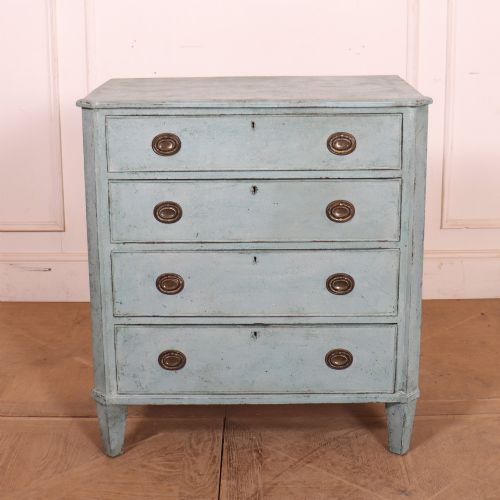
Blue Dresser
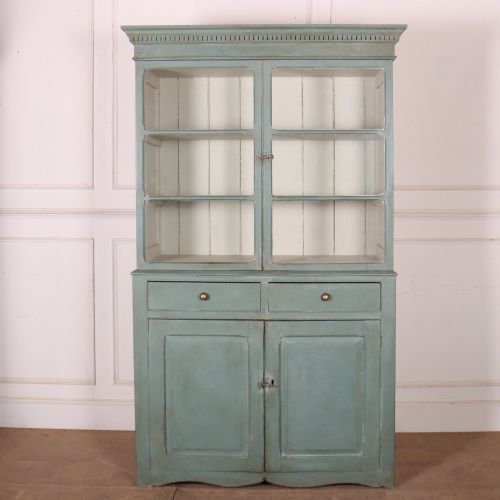
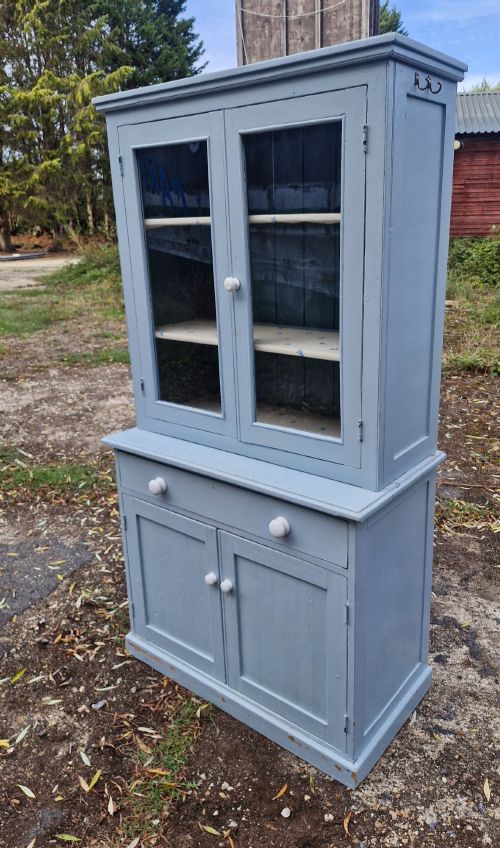
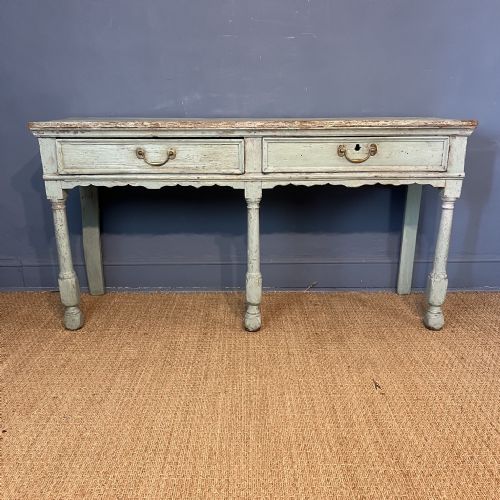
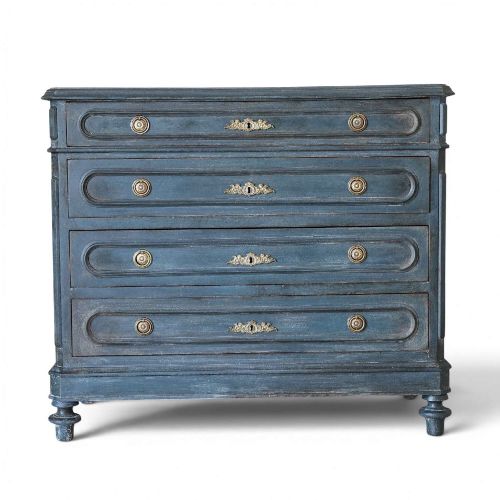
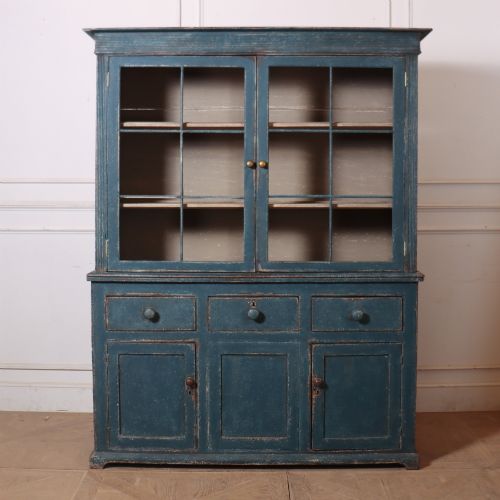
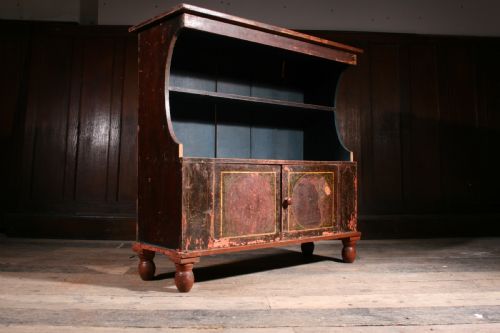
A blue antique dresser brings enduring regional character and practical storage to a room through painted pine and time-worn finishes.
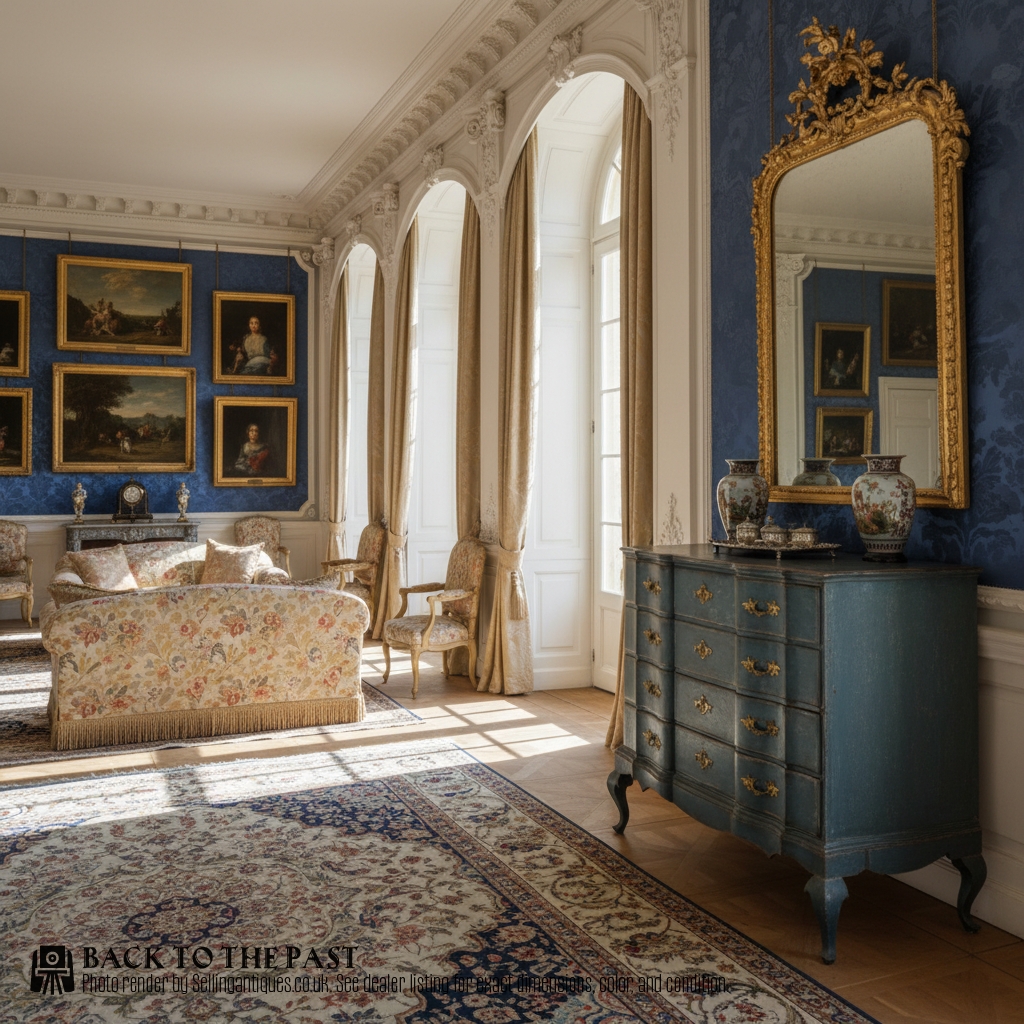
Materials and construction
Makers relied principally on solid pine, oak, and mixed softwoods to build the carcasses and drawers of these items. Carpenters joined structural members using traditional methods such as dovetailing for drawer boxes and pegged joints for frames.
Surface treatments involved layered coats of oil or water-based paint applied directly to the bare timber. Subsequent decades of wear created natural patination on the painted finishes, brass handles, and iron hinges.
Factors determining quality
The integrity of the original painted surface distinguishes standard examples from superior survivals. Pieces retaining their early or scraped blue paint without extensive modern repainting hold greater interest for collectors.
Proportion and structural originality also govern worth. Items retaining their original brass hardware, unreplaced potboards, and untouched backboards demonstrate higher craftsmanship and historical survival.
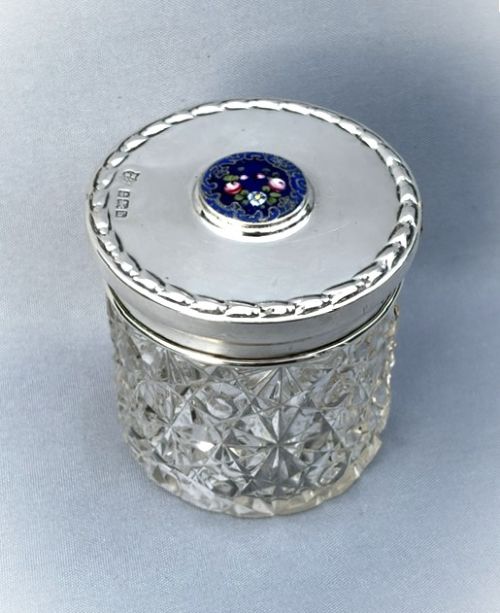
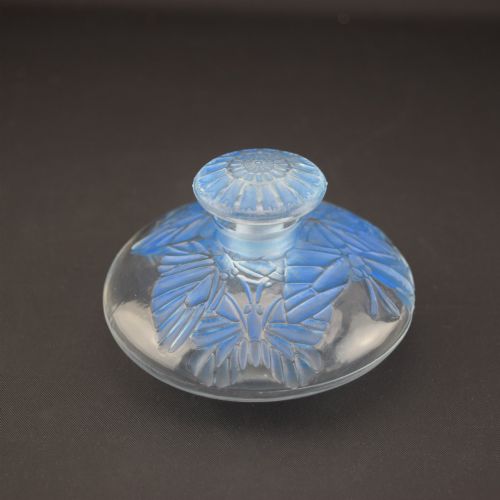
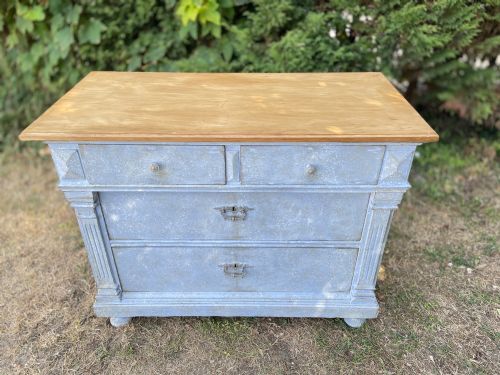
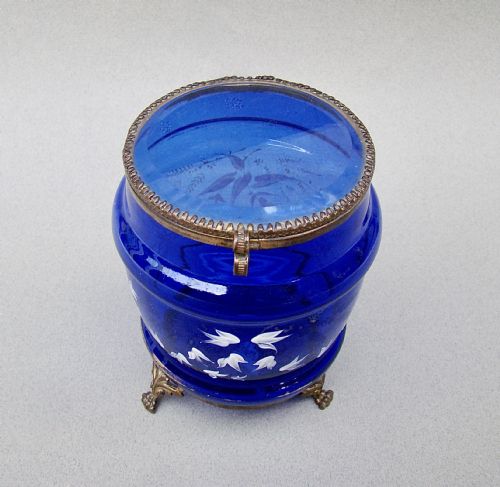
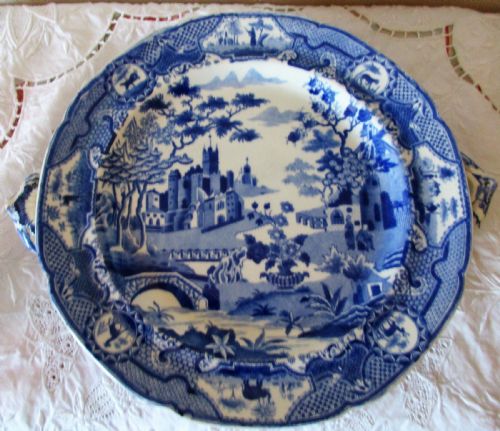
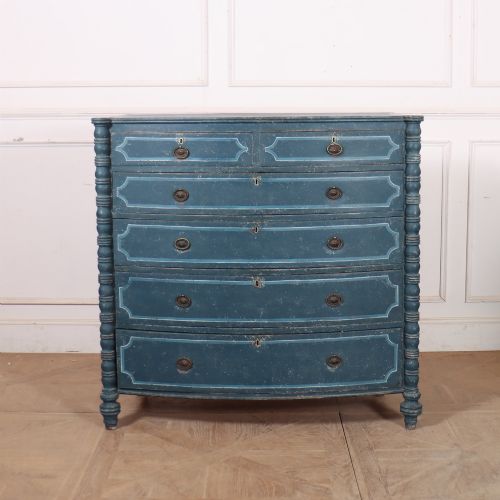
Several items showcase a cheerful blue palette, ranging from Gustavian commodes to Bristol glass dressing table jars.
Spode·Minton·Dr Christopher Dresser·Rene Lalique
The Blue Dresser Glossary
- Dresser base
- A lower cabinetry unit fitted with drawers and cupboards, traditionally lacking the upper plate rack. These served as primary work surfaces in country kitchens.
- Potboard
- An open slatted lower shelf built into the base of a dresser to store heavy cookware and ceramic vessels. This structural element provides added stability to the legs.
- Gustavian
- A Swedish neoclassical design movement spanning the late eighteenth and early nineteenth centuries. It reinterprets French court styles with restrained proportions and pale painted surfaces.
- Transferware
- Earthenware decorated by applying a printed design from a copper plate onto the ceramic body. This technique allowed intricate cobalt blue patterns to be mass-produced.
- Commode
- A low piece of furniture containing multiple drawers, originating in France as a refined chest of drawers. These often feature decorative hardware and painted finishes.
Blue Dresser: Frequently Asked Questions
How do I identify an authentic painted finish?
Examine the surface under natural light to check for microscopic crazing, underlying layers of historic pigment, and wear patterns consistent with age. Genuine old paint shows gradual thinning around edges and handles where hands touched the wood over generations.
Modern repaint tends to sit uniformly across the timber without the deep integration found in eighteenth and nineteenth-century applications. Inspect corners and screw heads to confirm the paint predates modern restoration.
What is the difference between a dresser and a commode?
A dresser typically combines shelving or a cabinet top with a lower storage base designed for kitchen or dining utensils. These pieces focus on utility and display.
A commode is a dedicated chest of drawers constructed with a flat top, functioning primarily as a bedroom or reception room storage unit. Regional European commodes often display decorative fluting or faux marble finishes.
Where were these country dressers built?
The evidence points to rural workshops across the English West Country and Scandinavian regions including Sweden. Local carpenters utilised readily available native softwoods such as pine to construct robust domestic furniture.
These pieces reflect the specific functional needs and aesthetic preferences of rural households rather than urban workshops.
How should I care for historic painted wood?
Keep the wood away from direct heat sources and dramatic humidity fluctuations to prevent the timber from warping and the historic paint from flaking. Dust the surface gently with a dry, soft cloth without applying modern chemical polishes.
Preserving the dry, chalky texture of early paint maintains the integrity of the antique surface. Avoid abrasive cleaners that strip away the delicate patination.