



Antique Blue Commode
An antique blue commode brings painted Continental elegance and generous storage to a room through centuries of European craftsmanship.
Antique Blue Commode
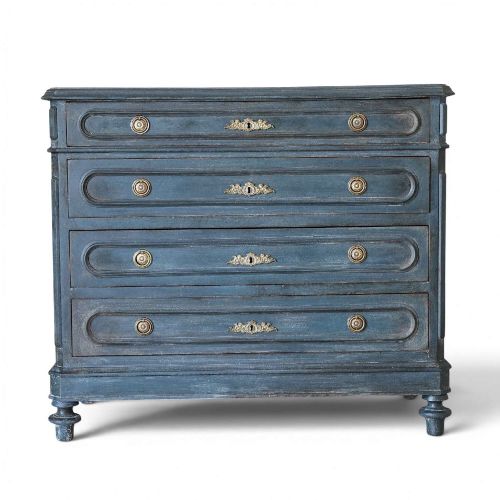
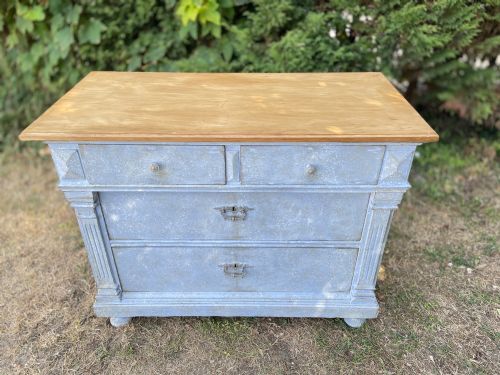
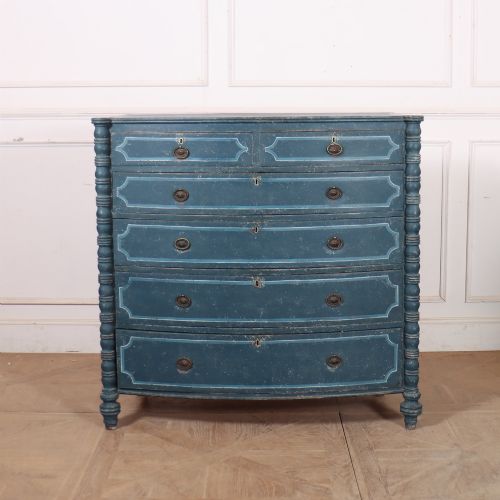
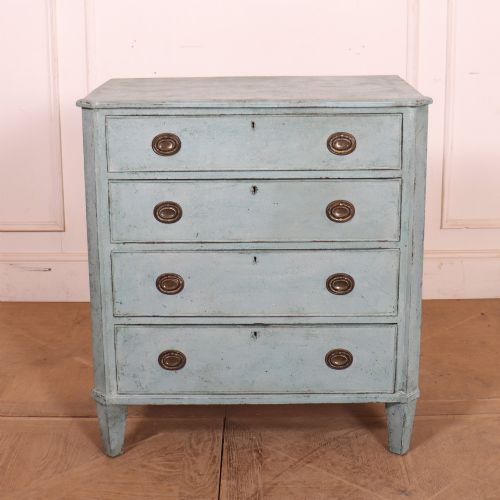
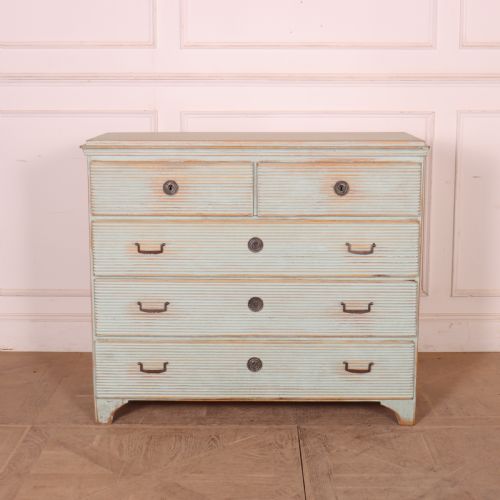
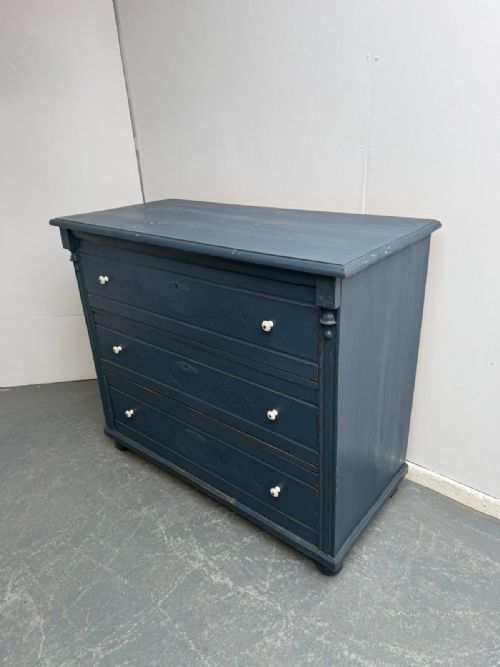
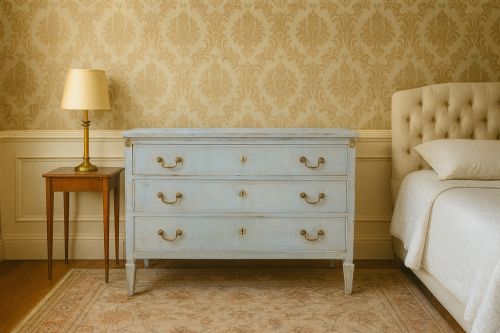
When you search for an antique blue commode, you encounter low drawer chests and cabinets built across Europe from the eighteenth and nineteenth centuries. These pieces function as decorative storage units that frequently double as washstands or bedside furniture in domestic settings.
The selection on this page centres predominantly on nineteenth-century pieces, alongside significant eighteenth-century examples originating from Sweden, France, the Netherlands, Italy, Austria, and England. Swedish Gustavian and French Louis XVI revival styles appear frequently alongside regional country pieces.
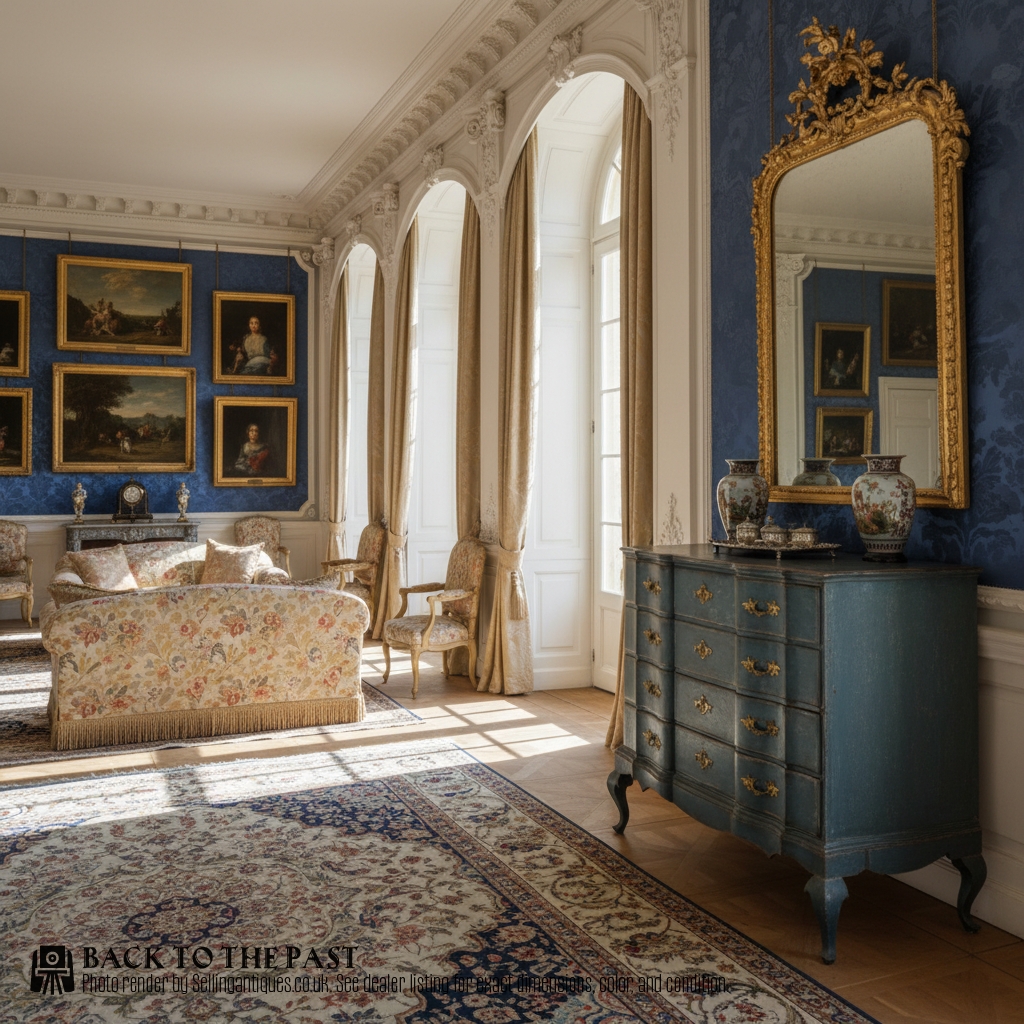
Most items present as chests of drawers featuring serpentine, bombée, or straight drawer fronts, often finished in scraped or original paint. Buyers typically select these specific forms to introduce colour and historical utility into contemporary interiors.
Quality variations
Quality rests in the survival of original painted surfaces and the integrity of the timber beneath. Pieces retaining authentic scraped paint or untouched period colour hold distinct visual character compared to later re-paintings.
Construction standards differ between refined urban workshops and regional country joinery, visible in the execution of carved mouldings, dovetail joints, and the smooth operation of drawer runners.
The inventory includes regional forms from Sweden, England, France, the Netherlands, Italy, Austria, Denmark, and Portugal.
The Antique Blue Commode Glossary
- Commode
- A low chest of drawers or cabinet originating in France during the eighteenth century. These pieces usually stand on legs and provide waist-height storage for domestic spaces.
- Gustavian
- The Swedish neoclassical style spanning the late eighteenth and early nineteenth centuries. It combines French Louis XVI influences with simpler Scandinavian restraint and lighter painted palettes.
- Bombe
- A swelling, convex furniture shape with outward-curving sides and fronts. This curved form requires advanced woodworking skill to construct from solid timber.
- Serpentine
- A furniture front featuring a concave centre flanked by two convex ends, or the reverse. The undulating line adds fluid movement to chest and commode facades.
- Scraped paint
- A conservation term for paint finishes that have been carefully abraded to expose historical layers underneath. This technique highlights the cumulative age of a piece.
Antique Blue Commode: Frequently Asked Questions
How do I clean an antique painted commode?
Dust the surface regularly with a soft, dry cloth to prevent dirt accumulation on the painted finish. Avoid liquid cleaners, harsh detergents, or modern polishes that can soften historical paint layers.
Maintain stable room humidity and keep the wood away from direct heat sources to prevent paint cracking or timber movement.
Where were these commodes originally used?
Continental households utilised these chests primarily in bedchambers and formal reception rooms for storing linens, clothing, and personal items. Regional variations reflect the specific domestic storage needs of homes in Sweden, France, Italy, and the Netherlands.
Many designs also served functional roles as washstands or display surfaces in upper-class residences.
What is the difference between Gustavian and Baroque commodes?
Gustavian commodes exhibit restrained neoclassical symmetry, often featuring pale painted surfaces, fluted drawer fronts, and straight tapered legs. They draw inspiration from French Louis XVI design.
Baroque commodes display heavier proportions, dramatic bombe or serpentine curves, and more exuberant carved details reflecting earlier seventeenth and eighteenth-century aesthetic preferences.
Can I use an antique commode as a bedside table?
Smaller two-drawer commodes and compact cabinets function well beside low beds, provided the height matches your mattress level. Measure your space carefully before purchasing, as eighteenth and nineteenth-century furniture dimensions vary considerably from modern standards.
Ensure drawer access remains unhindered by surrounding bedroom furniture.