


Blue Coffer
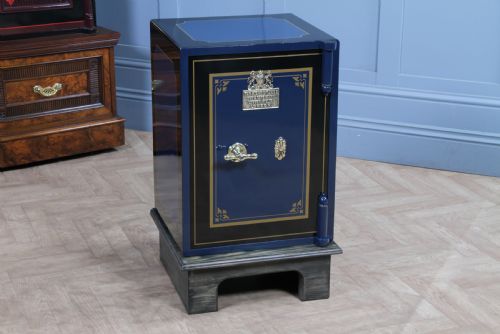
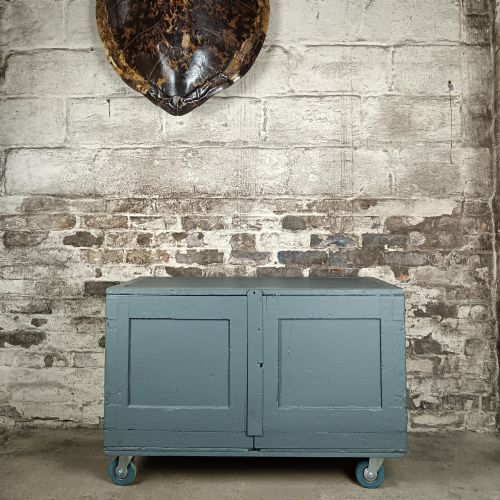
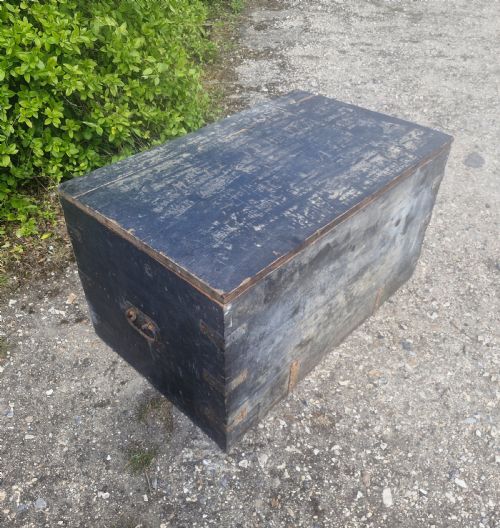
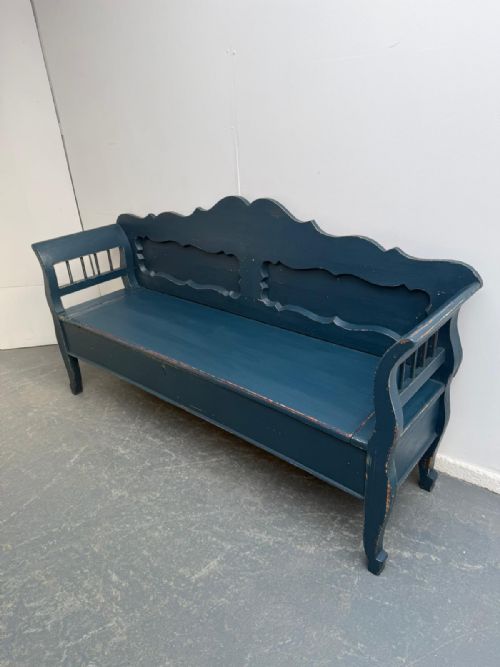
A blue antique coffer brings functional storage and traditional folk art colour into a room.
Blue Coffer
A blue antique coffer serves as a sturdy timber storage box, trunk or bench spanning the eighteenth, nineteenth and early twentieth centuries. These pieces encompass domestic blanket boxes, marriage chests and campaign trunks originating from English, Swedish, Hungarian, Italian and Alpine workshops.
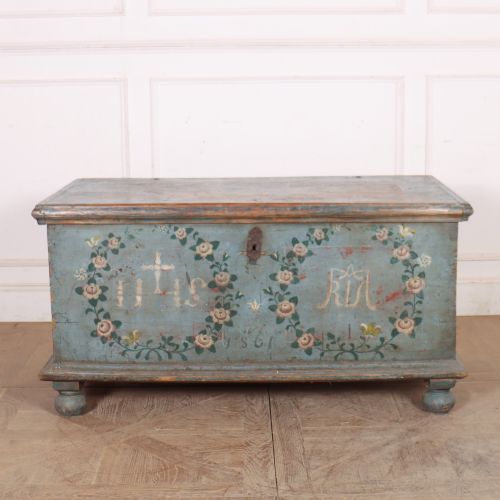
The version most commonly encountered on this page is the nineteenth-century Swedish hand-painted pine dome top coffer or marriage chest, often finished in folk art styles. English variants tend to feature painted pine or elm plank construction alongside military campaign designs.
Buyers seek these items for their dual utility as seating benches or storage boxes while displaying distinct regional painted decoration. Forms range from small strong boxes and sarcophagus shapes to larger three-seater benches and mule chests.
How they were made
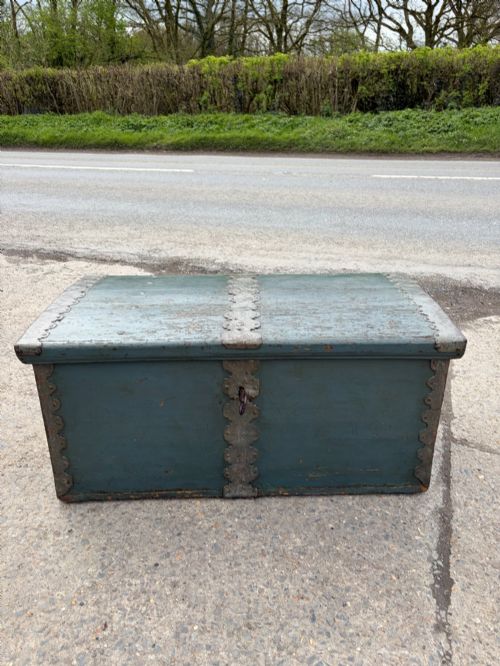
Construction relies primarily on solid timber such as pine, oak, elm and wood assembled into plank chests and dome top coffers. Many pieces incorporate metal reinforcement including iron, wrought iron, brass, cast iron and steel hinges, bands and locks.
Surface decoration depends heavily on original hand-applied paint finishes, particularly in Scandinavian folk art and rustic country traditions. Joinery methods reflect the period, uniting heavy boards with simple structural framing and secure metal hardware.
Listings for a blue antique coffer frequently feature nineteenth-century Swedish folk art and eighteenth-century Georgian pine construction.
What varies in quality
Quality rests significantly upon the survival and integrity of the original painted surface, as authentic regional folk art decoration defines the visual distinction of a coffer. Pieces retaining undisturbed historic paintwork sit higher in desirability than those with later repainting.
The structural honesty of the timber and metal components further separates standard storage boxes from finer examples. Heavy iron or brass mountings, robust dovetail or plank joinery, and functional locking mechanisms denote superior craftsmanship.
Tanns Defiance London
The Blue Coffer Glossary
- Coffer
- A large wooden chest used for storing valuables, linen or personal items. They often feature flat or dome-shaped lids and heavy timber construction.
- Marriage chest
- A decorative storage box traditionally commissioned or gifted for a wedding. These examples frequently display specific regional painted motifs, dates or initials.
- Mule chest
- A traditional storage chest combining a drawer beneath the main lifting compartment. This form bridges the gap between a standard coffer and a chest of drawers.
- Campaign trunk
- A portable storage case designed for military transport by officers on the move. They typically incorporate robust metal reinforcement and carrying handles.
- Dome top
- A curved lid construction designed to shed water and increase internal capacity. This profile appears frequently on nineteenth-century Scandinavian storage boxes.
- Cassone
- A traditional Italian large painted chest or coffer used for storing household goods. These pieces often showcase elaborate regional artistry and decorative panels.
Blue Coffer: Frequently Asked Questions
What is a blue antique coffer used for?
These pieces function primarily as practical storage containers for blankets, linens and household goods while serving as decorative furniture. Many larger regional examples double as hallway or living room benches.
Their robust timber construction allows them to withstand daily use in modern homes. They provide substantial concealed space to keep rooms tidy while adding historic character.
How do I identify a regional style?
Regional origins are typically determined by the specific painted motifs, colour palettes and construction methods used on the timber. Swedish and Alpine pieces often display distinct folk art patterns, whereas English variants lean towards simpler painted or planked finishes.
Examining the hinges, locks and interior timber grain also helps confirm the geographic workshop traditions. Lombard or Italian pieces reveal themselves through broader cassone proportions and classical painted panels.
Are painted finishes on these coffers original?
Original painted surfaces show natural wear, patination and integration with the underlying pine or oak timber beneath. Close inspection often reveals subtle craquelure, fading and consistency appropriate to the nineteenth century or earlier.
Restored or later decorative paint will typically lack this historic depth and integration with the wood grain. Most authentic listings explicitly note the presence of original paintwork.
How do I care for an antique painted chest?
Keep painted coffers away from direct sunlight and extreme temperature fluctuations to protect the historic finish from fading and cracking. Dust them gently with a dry, soft cloth without applying modern chemical polishes.
Maintain stable indoor humidity levels to preserve the underlying pine, elm or oak structure. Avoid placing damp items directly onto historic painted surfaces inside the box.