




Scandinavian Marriage Trunk
A scandinavian marriage trunk is a heavily constructed storage piece carrying centuries of painted folk tradition.
Scandinavian Marriage Trunk
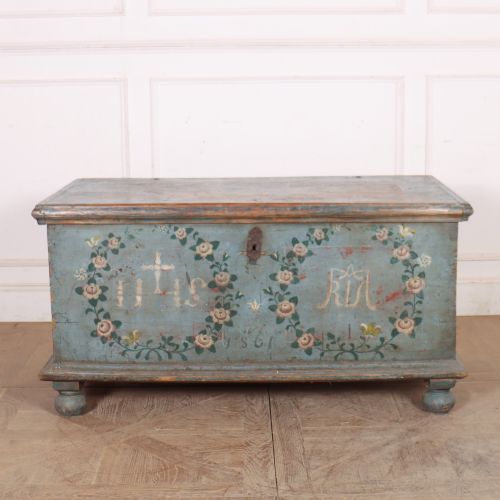
When you search for a scandinavian marriage trunk, you are looking at large wooden storage chests created to hold a bride's dowry. The pieces seen on this page predominantly date from the eighteenth and nineteenth centuries, hailing chiefly from Sweden in a range of robust domestic forms.
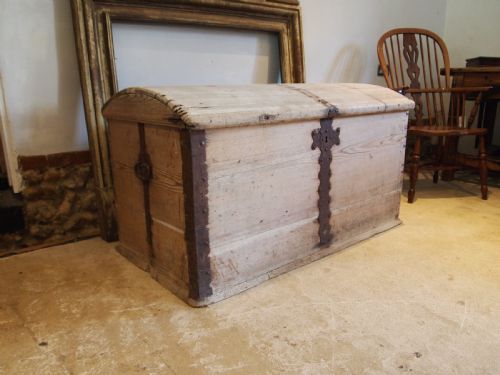
The most common version met here is the pine blanket box or dome top coffer, often bearing traditional painted decoration. These storage chests range from substantial floor-standing coffers to smaller shaped boxes on stands, reflecting the diverse domestic needs of historical Scandinavian households.
The aesthetic is rooted firmly in Scandinavian country and folk art traditions, moving away from formal courtly furniture towards practical regional craftsmanship. Every scandinavian marriage trunk tells a specific story through its construction and surface decoration, marking important domestic milestones.
How they were made
Carpenters built these storage pieces primarily using local pine and occasionally oak, selected for durability and availability. Boards were joined securely to withstand heavy daily use and seasonal shifts in temperature.
Surfaces received extensive treatment with pigment and pigment paint, creating vibrant or patinated finishes characteristic of folk art. Wrought iron hardware, including strap hinges and heavy locks, provided essential structural reinforcement and security.
Some nineteenth-century Swedish brides insisted on dome tops so the snow would slide right off their dowry.
What varies in quality
The distinction between ordinary and exceptional examples rests in the ambition of the painted surface and the crispness of the folk art motifs. Skilled painters applied layered pigments that achieved a depth and character absent from simpler, utilitarian brushwork.
Construction integrity also dictates standard, with well-joined timbers and original wrought iron mounts preserving the piece's structural coherence over centuries. Surviving original surfaces without heavy later repainting carry greater integrity for collectors of folk art.
The Scandinavian Marriage Trunk Glossary
- Coffer
- A heavy wooden chest traditionally used for storing valuables or textiles. These pieces often feature sturdy lids and substantial iron fastenings.
- Folk art
- Artistic work created within a traditional culture by self-taught or local artisans. This style relies on regional motifs and community traditions rather than academic design rules.
- Pigment
- Natural colouring matter used in the paints applied to these wooden surfaces. Craftsmen mixed these powders with binding agents to create durable finishes.
- Dome top
- A rounded lid construction designed to shed water and increase internal storage capacity. This profile is frequently seen on Swedish blanket chests.
- Wrought iron
- Iron beaten into shape by hand with a hammer, typically used for hinges and locks. This material adds both functional strength and decorative contrast to the timber.
Scandinavian Marriage Trunk: Frequently Asked Questions
What is a scandinavian marriage trunk?
A scandinavian marriage trunk is a wooden chest made to store a bride's belongings and household linens ahead of a wedding.
These pieces served a central role in rural communities, often commissioned to mark the union and decorated with regional folk motifs.
How were these trunks used historically?
Families used them primarily for storing valuable textiles, clothing, and domestic goods in Scandinavian homes.
Due to their robust construction from pine or oak, they also doubled as seating benches or tables within the farmhouse.
Where do these pieces originate?
The examples on this page originate predominantly from Sweden, representing distinct regional folk traditions.
Local craftsmen built them using accessible materials like native pine and wrought iron.
How do I date a painted chest?
Dating relies on examining the construction methods, nail types, and the composition of the painted pigments.
Many pieces carry painted dates or stylistic clues from the eighteenth and nineteenth centuries that point to their era of manufacture.
How do I live with a folk art chest?
These chests function well as coffee tables, blanket storage at the foot of a bed, or focal points in a hallway.
Keep them away from direct heat sources and strong sunlight to protect the fragile historic paint surfaces.