


Bleu Celeste Porcelain
Bleu celeste porcelain brings a striking turquoise ground colour to decorative urns, vases and mantle clocks.
Bleu Celeste Porcelain
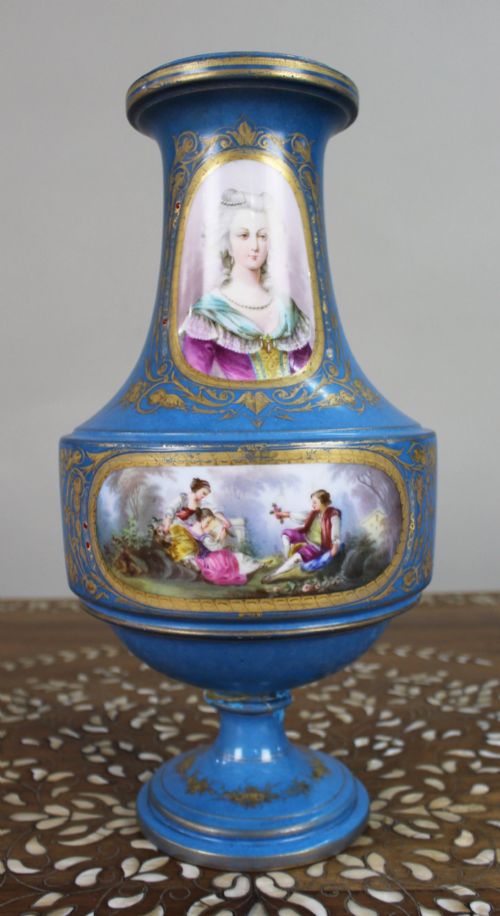
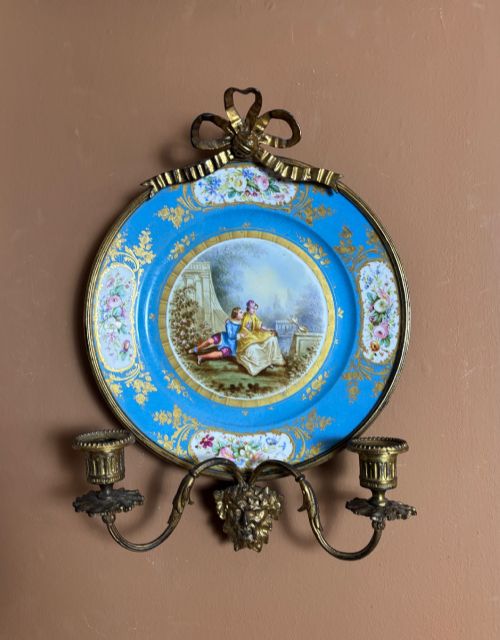
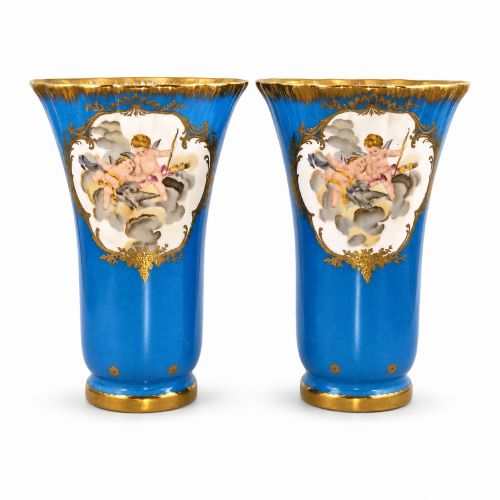
Bleu celeste porcelain centres on a distinctive bright turquoise ground colour developed at the Sèvres factory. When searching this phrase, a buyer encounters decorative items like vases, comports, cabinet plates and wall sconces.
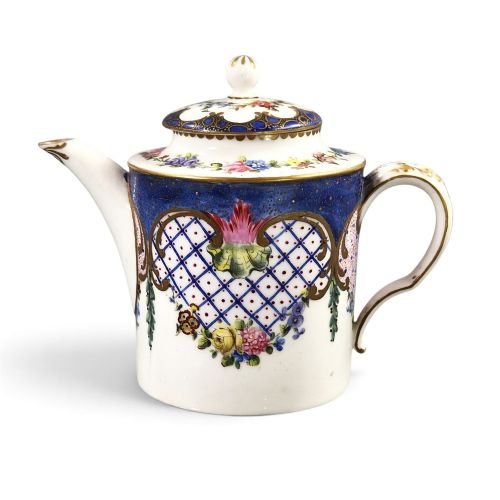
The objects most frequently met on this page date from the nineteenth century, including pieces in the French Second Empire and Rococo Revival styles. Eighteenth-century examples also appear, such as soft-paste teapots from the Louis XV period.
Many pieces combine the characteristic turquoise porcelain with ormolu or gilt bronze mounts, creating ornamental furnishings designed for nineteenth-century interiors. Makers such as Samson and Minton produced comparable interpretations in the Sèvres taste.
How they were made
Potters shaped the ceramic bodies using porcelain and soft-paste porcelain before applying the intense blue enamel glaze. Artisans then added gilt bronze, ormolu, or gold leaf mounts to frame the ceramic sections.
Many items feature hand-painted scenes, floral motifs, or portraits set against the turquoise ground. Metalworkers cast and chased the ormolu mounts to secure vases, clocks, candelabra and jewellery caskets.
Bleu Celeste Porcelain Retail Price Guide 2026
Typical asking prices for bleu celeste porcelain among the pieces listed under this phrase on Sellingantiques today, from the lower quarter to the upper quarter. They describe what is for sale here now, not the wider market.
William Musill painted botanical wonders on moon flasks, proving even porcelain needed a garden.
What varies in quality
The precision and detail of the hand-painted decoration separate standard pieces from finer works. Painted scenes depicting figures or botanicals demonstrate the skill of the artist working on the porcelain surface.
The weight, casting quality and chasing of the ormolu mounts also define the standard of an object. Heavier, more intricate bronze mounts integrated smoothly with the porcelain indicate superior production.
Samson Paris·Miroy Frères·Minton·William Musill
The Bleu Celeste Porcelain Glossary
- Bleu Celeste
- A bright turquoise blue enamel ground colour used on ceramic bodies. It is particularly associated with decorative porcelain from the Sèvres factory.
- Ormolu
- Gilded bronze mounts applied to furniture, clocks and porcelain vessels. The technique involves coating base metal with gold amalgam.
- Soft-Paste Porcelain
- An artificial ceramic paste fired at lower temperatures than hard paste. It has a warm texture and was used for eighteenth-century pieces.
- Candelabra
- Branched lighting fixtures designed to hold multiple candles. These often feature porcelain stems and ormolu arms.
- Comport
- A decorative pedestal dish used for serving fruit or sweets. They appear frequently in nineteenth-century table settings.
Bleu Celeste Porcelain: Frequently Asked Questions
What is bleu celeste porcelain?
Bleu celeste porcelain is a type of ceramic featuring a vibrant turquoise blue ground colour. The shade became famous through the Sèvres pottery in France.
Items decorated with this glaze include vases, urns, plates and comports. The colour often serves as a background for hand-painted panels and gilt highlights.
How do I date a piece?
Dating relies on stylistic clues, factory marks and the nature of the bronze mounts. Nineteenth-century revival pieces often reflect earlier Louis XV or Rococo aesthetics.
Examining the base and the composition of the ceramic helps distinguish eighteenth-century soft-paste items from later nineteenth-century interpretations.
How do I display them?
These decorative items suit placement on mantlepieces, sideboards and display cabinets. Vases, urns and clocks function as focal points in period interiors.
Because many pieces incorporate delicate ormolu and painted surfaces, stable placement away from direct sunlight preserves the materials.