
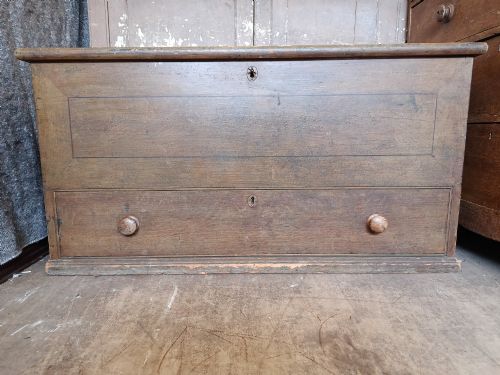
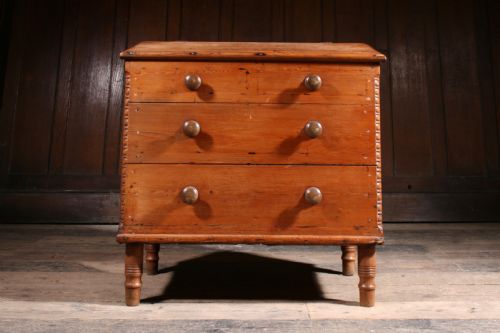


Blanket Box with Drawers
A blanket box with drawers combines deep top-loading storage with base compartments, giving you practical domestic utility rooted in centuries of vernacular furniture design.
Blanket Box with Drawers
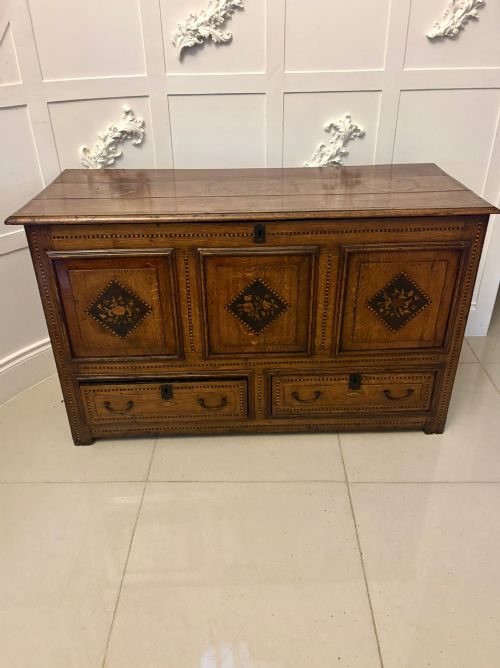
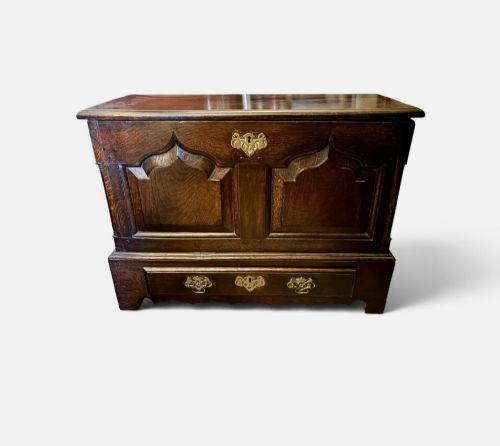
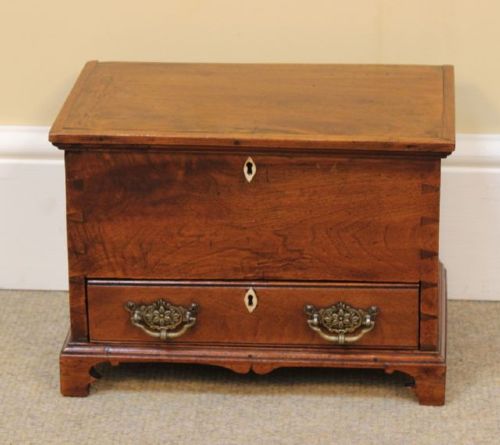
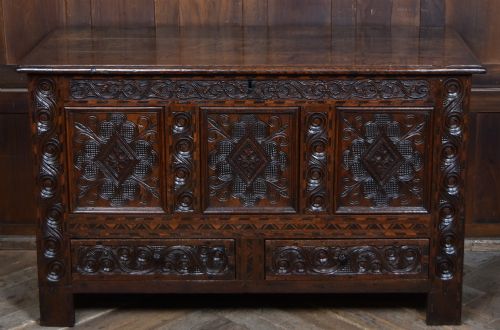
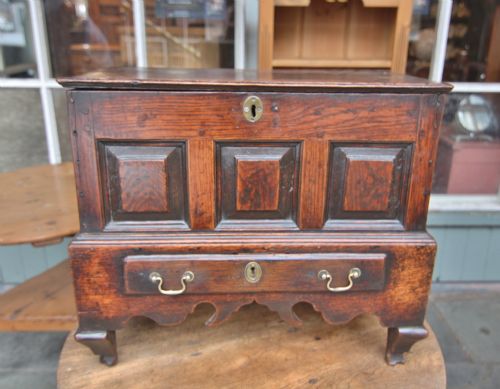
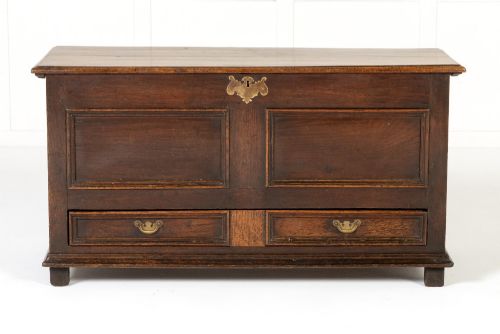
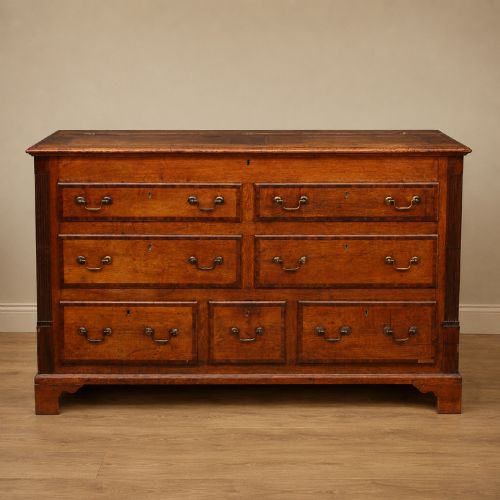
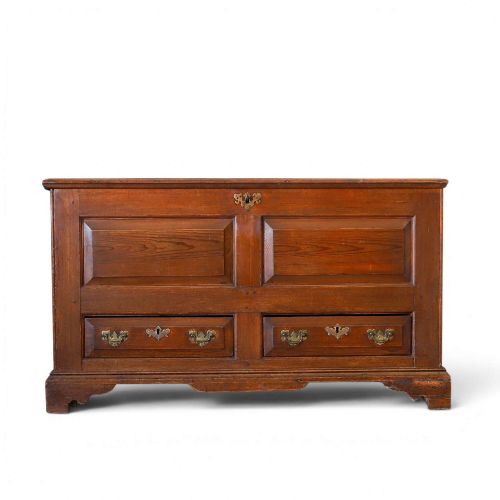
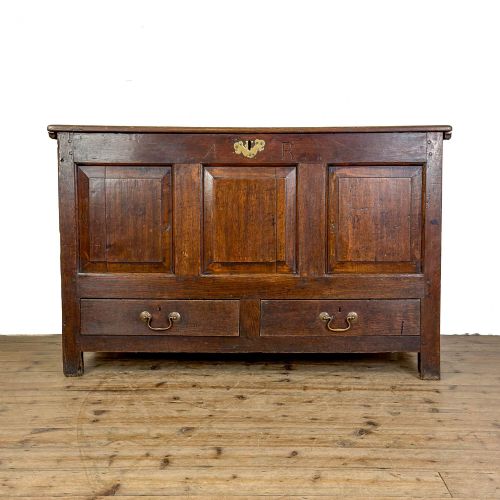
A blanket box with drawers bridges the traditional storage chest and the chest of drawers by adding one or more drawers beneath the main lifting lid. You will frequently encounter examples from the eighteenth and nineteenth centuries, including vernacular forms such as oak mule chests and miniature coffer bachs originating from Wales.
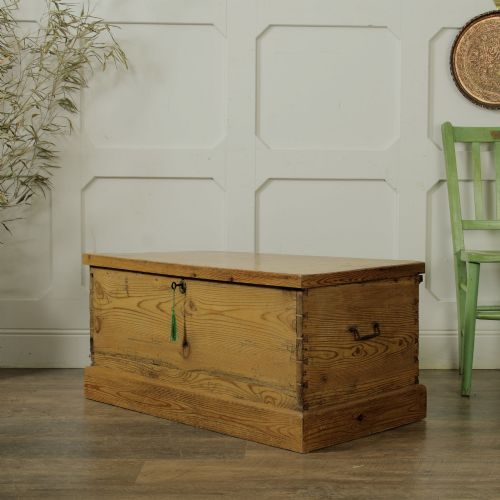
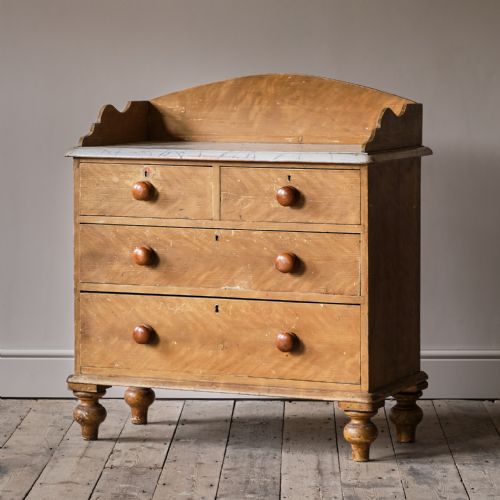
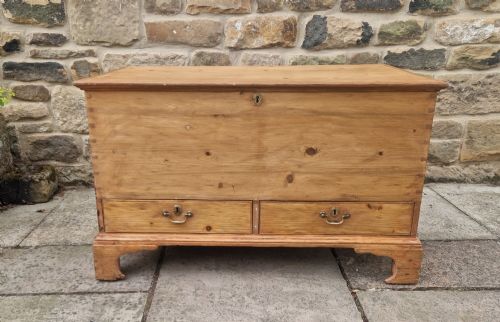
These pieces served domestic households for storing linens, garments, and valuables within domestic settings. Regional variations span English Georgian country workshops to Welsh vernacular traditions, encompassing substantial panelled timber constructions alongside painted pine variants.
The layout typically places a hinged lid above a deep compartment, with one, two, or more drawers situated directly underneath in the base. This evolution allowed daily access to frequently used items without disturbing the main contents stored in the top well.
How They Were Made
Cabinetmakers relied heavily on native hardwoods such as English and Welsh oak, alongside softer conifers including pine and pitch pine for regional country furniture. Panels were frequently joined using traditional frame-and-panel construction to accommodate seasonal timber movement.
Iron and brass hardware, including butterfly hinges, strap hinges, and drawer pulls, secured the structural components and operational lids. Surface finishes ranged from natural waxed polishes to painted treatments, sometimes incorporating marquetry inlay or carved details like green man motifs.
Regional styles include Welsh vernacular, Georgian country, and English provincial traditions alongside painted pine storage trunks.
What Varies in Quality
The standard of timber selection and joinery integrity defines the distinction between standard provincial items and finer workshop productions. Original hardware, undisturbed drawer runners, and intact internal partitions elevate an example's integrity.
Proportion and decorative restraint also set pieces apart, as excessive or later alterations to carving and inlay diminish historical cohesion. The survival of original painted surfaces or undisturbed patination on waxed oak significantly influences character.
The Blanket Box with Drawers Glossary
- Mule chest
- A traditional storage chest featuring one or more drawers built into the base beneath the primary compartment. This hybrid form emerged before dedicated tall drawer chests became standard household furniture.
- Coffer bach
- A Welsh term translating to little coffer, denoting a miniature chest with drawers often produced as a dowry piece or apprentice work. These small-scale boxes replicate the full-sized proportions of vernacular oak furniture.
- Frame and panel
- A method of construction where a central floating panel sits within a grooved outer frame to accommodate timber shrinkage and expansion. This technique prevents splitting in large timber surfaces like chest lids and sides.
- Marquetry
- The art of applying decorative veneer pieces to a structural surface to form geometric or pictorial patterns. In earlier pieces, contrasting woods create subtle ornamentation on primary panels.
Blanket Box with Drawers: Frequently Asked Questions
What is a mule chest?
A mule chest is a traditional storage chest that includes one or more drawers fitted beneath the main lifting lid. It represents a transitional form between a simple coffer and a chest of drawers.
Craftsmen built these pieces to offer both bulk storage on top and accessible drawer space below for smaller garments and linens.
How were these boxes used?
Households utilised these chests for storing heavy blankets, bedding, and seasonal garments in bedrooms and living quarters. The addition of base drawers allowed daily access to smaller items without lifting the heavy top lid.
They also served in domestic halls and parlours for general storage and as temporary seating surfaces.
How do I date an oak chest?
Dating relies on examining construction methods, timber species, and tool marks visible on the interior and drawer linings. Hand-cut dovetails, pegged mortise and tenon joints, and the nature of the hinges provide key chronological clues.
Regional styles and vernacular carving details further help place an example within the seventeenth, eighteenth, or nineteenth century.