


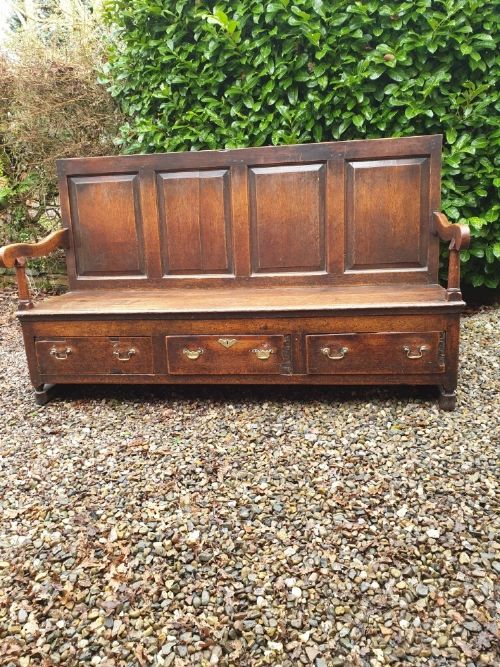
Georgian Coffer
When you search for georgian coffer, you are looking at substantial wooden storage chests built to hold blankets, linen and valuables during the eighteenth and early nineteenth centuries.
Georgian Coffer
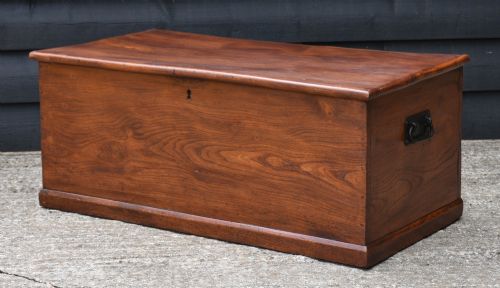
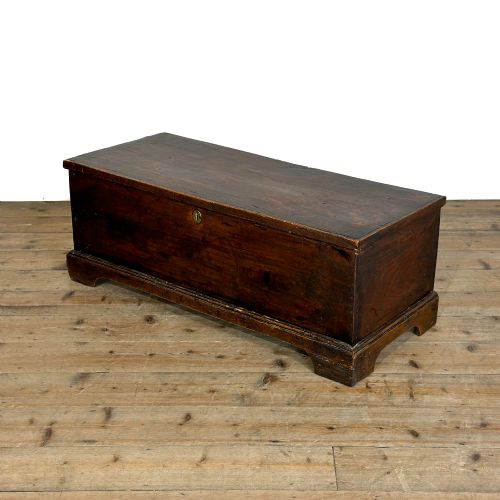
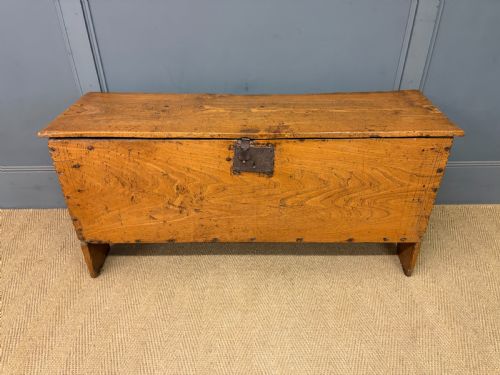
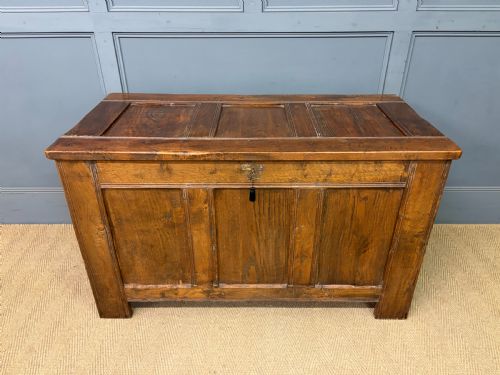
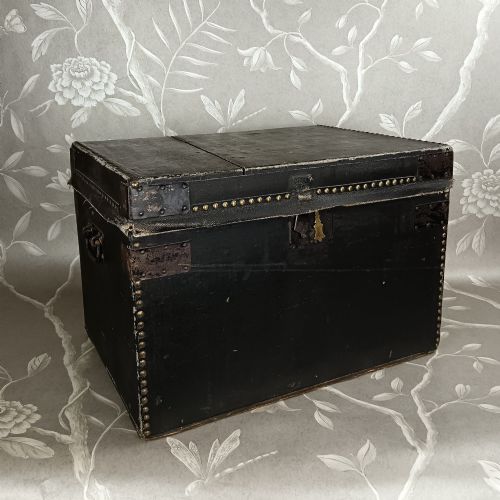
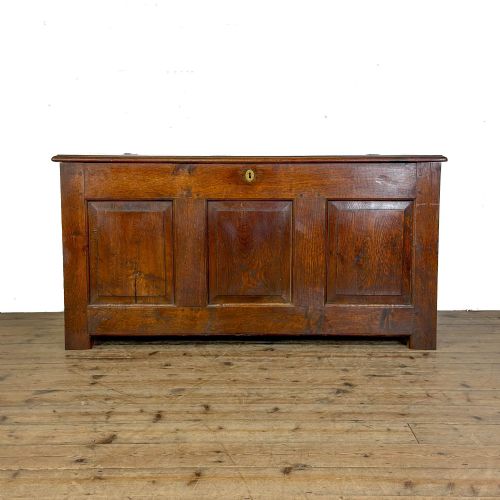
A georgian coffer is a heavy storage chest primarily constructed by country joiners and cabinet makers to hold household textiles and valuables. The most common examples met on this page are sturdy rectangular oak boxes featuring panelled fronts, hinged lids and occasionally internal candle boxes.
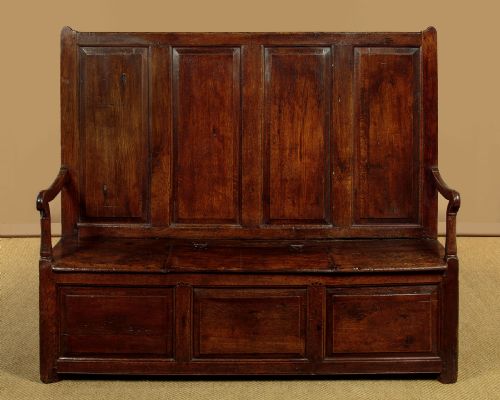
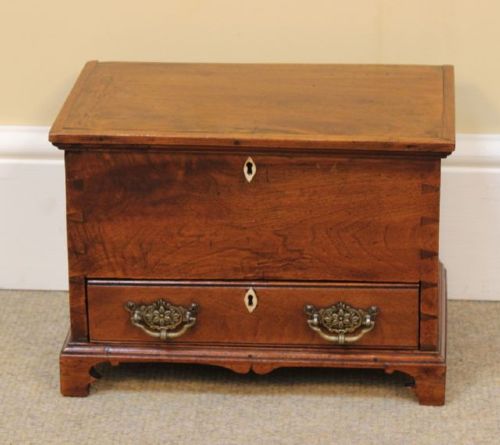
Many of these pieces originate from regional workshops in Wales and the West Country, occasionally taking the scaled-down form of a coffer bach or incorporating lower drawers in the manner of a mule chest. Alongside oak, vernacular makers utilised elm, pine and walnut, producing items that doubled as window seats and hallway benches.
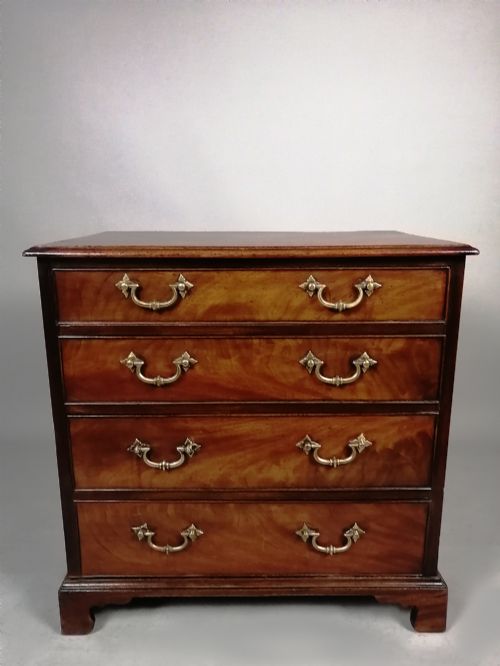
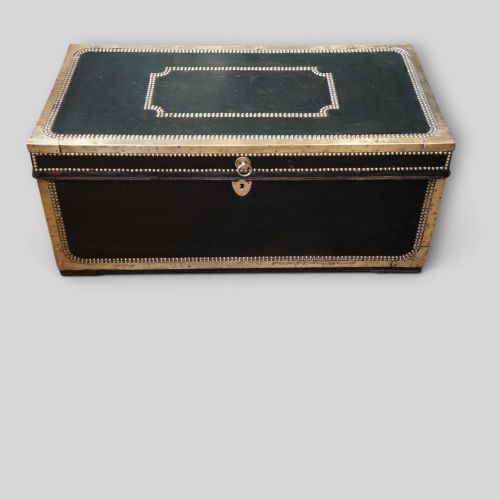
The form spans centuries of domestic utility, evolving from simple joined plank construction into more refined mahogany and crossbanded variations by the end of the eighteenth century. Buyers frequently encounter examples bearing carved motifs, panel mouldings and period iron or brass hardware.
How they were made
Makers constructed these chests using solid timber joined with pegged mortise and tenon frames, or occasionally simple edge-to-edge planks secured by dovetails. Oak and elm predominated in vernacular regional pieces, while mahogany and walnut appeared in more formal urban workshops.
Hardware played a structural role, with hand-hammered iron strap hinges, brass corner brackets, and iron locks fitted to secure the heavy lids. Secondary timbers like pine frequently appeared on internal partitions and drawer bases.
Listings feature structural timbers including oak, elm, walnut, mahogany and pine, spanning the seventeenth to nineteenth centuries.
What varies in quality
Quality rests upon the selection of timber, the integrity of the original joints and the survival of untouched surfaces. Pieces displaying crisp hand-carving and well-proportioned panels stand apart from utilitarian boxes constructed with basic planking.
The presence of original hardware, working locks and untouched interior fittings such as internal candle boxes elevates an example. Retained original colour and surface patination, rather than heavy modern stripping and refinishing, determine desirability.
Samuel Pratt·J Moorcroft·Wm. Insall of Bristol
The Georgian Coffer Glossary
- Coffer bach
- A small Welsh coffer, often elevated on short legs or feet, traditionally made as a marriage gift or presentation piece.
- Mule chest
- A storage chest fitted with one or more drawers beneath the main internal compartment.
- Plank coffer
- A primitive box constructed from joined solid boards rather than a framed panel structure.
- Crossbanding
- A decorative border technique where thin strips of veneer are laid across the grain of the primary wood.
- Candle box
- A small internal lidded compartment built inside a chest to hold tapers and small items away from main linens.
Georgian Coffer: Frequently Asked Questions
What is a coffer bach?
A coffer bach is a small Welsh box or chest produced during the eighteenth century, typically featuring miniature proportions and fine craftsmanship. These scaled-down pieces often served as presentation items or dowry chests.
They sit lower to the ground than standard blanket chests and frequently include a small drawer beneath the primary storage space. Collectors prize them for their regional scarcity and domestic charm.
How do I tell an oak coffer's age?
Age is determined by observing construction methods, tool marks and timber shrinkage. Early pieces rely on hand-riven timber, pegged joints and primitive ironwork rather than machine-cut components.
Panel configuration and carving styles also help date a piece, moving from simple two-panel fronts with geometric carving to fielded panels and crossbanded mahogany details later in the period.
What is a mule chest?
A mule chest is a hybrid form combining the deep top storage of a blanket chest with one or more functional drawers built into the base. This design allowed access to stored items without needing to lift the heavy lid if things were placed in the drawers.
They became popular in country houses and farmhouses throughout the eighteenth century, constructed predominantly in regional oak and elm by local joiners.
How were these chests used?
These chests functioned as secure domestic storage for valuable household textiles, heavy woolen blankets, winter garments and family linen. Because houses lacked fitted wardrobes, heavy boxes kept pests and damp away from fabrics.
They also doubled as functional furniture pieces, serving as window seats, hallway benches, and makeshift tables when placed flat against a wall in domestic rooms.