



Georgian Regional Furniture
Georgian regional furniture brings robust provincial character and honest country craftsmanship into modern interiors.
Georgian Regional Furniture
When you search for Georgian regional furniture, you encounter sturdy utilitarian items produced outside metropolitan centres during the eighteenth and nineteenth centuries. These country pieces reflect local materials and regional building traditions rather than fashionable London tastes.
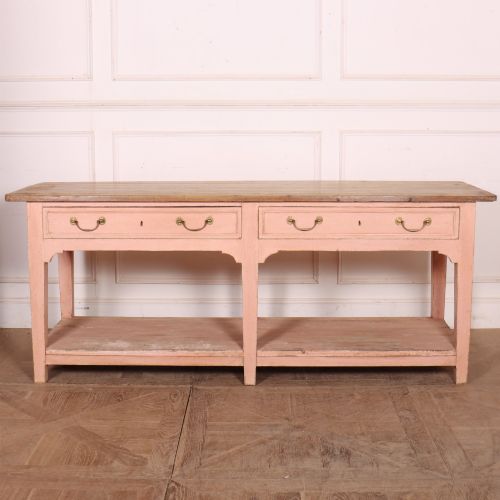
The selections on this page lean heavily toward oak, elm, yew and ash, encompassing seating, storage and display forms. You meet vernacular armchairs, dressers, cupboards and chests created by provincial joiners and chairmakers.
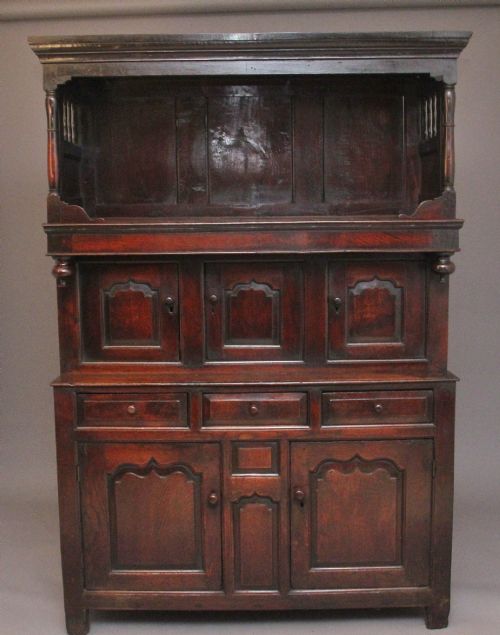
Forms vary from Welsh country cupboards and Lancashire spindlebacks to Thames Valley wheelbacks and Channel Islands wardrobes. Each piece displays the distinct construction methods favoured in its specific geographic pocket.
How they were made
Makers utilised native hardwoods available in their immediate landscape, pairing oak and elm for structural frames with yew and fruitwood for Windsor chair seats and spindles. Construction relies on traditional joinery techniques such as pegged mortise and tenon joints.
Surface finishes remain straightforward, often highlighting the natural grain and figuring of solid timber without heavy veneering. Brass hardware appears sparingly on functional storage pieces like low boys and press cupboards.
Georgian Regional Furniture Retail Price Guide 2026
Typical asking prices for georgian regional furniture among the pieces listed under this phrase on Sellingantiques today, from the lower quarter to the upper quarter. They describe what is for sale here now, not the wider market.
Current listings span the eighteenth and nineteenth centuries, featuring solid oak, elm, yew, ash, mahogany and pine across various regional forms.
What varies in quality
Quality rests upon the integrity of the timber selection and the purity of the regional form. Pieces fashioned from richly grained yew or figured oak command attention through their robust proportions and honest survival.
Proportion and structural balance separate utilitarian output from exceptional vernacular design. The best examples retain their original surface patination and uncompromised local character.
The Georgian Regional Furniture Glossary
- Vernacular
- Furniture made by local craftsmen for regional markets rather than following central urban fashions. These items prioritise utility and local material availability.
- Tridarn
- A large three-tier Welsh cupboard used for storage and display, typically constructed in oak. It represents an ambitious form of regional cabinetmaking.
- Comb back
- A Windsor chair style where the stick back extends upward to form a crest rail resembling a hair comb. This design offers distinct structural support.
- Low boy
- A small side table with drawers, commonly raised on four legs. Provincial examples often feature local timbers like oak or elm.
- Spindleback
- A chair back constructed with multiple thin turned or shaped vertical spindles. Lancashire workshops frequently produced this seating form.
Georgian Regional Furniture: Frequently Asked Questions
What defines regional furniture?
Regional furniture is characterised by construction methods and stylistic quirks native to a specific geographic area rather than the capital. Local joiners utilised indigenous woods and traditional patterns.
These pieces served everyday domestic functions in farmhouses and country homes, resulting in honest, unpretentious designs.
How do I identify regional variations?
Identification relies on recognising the specific timbers and construction details typical of certain counties or islands. For instance, Thames Valley Windsor chairs display distinct turning compared to West Country variants.
Study the jointing techniques and local timber preferences to trace a piece back to its geographic origin.
Where were these pieces used?
They originated in provincial farmhouses, cottages and country dwellings across Britain and the surrounding islands. Dressers and cupboards served kitchens and living spaces.
Seating such as comb back and spindleback armchairs furnished hearths and communal rooms.
How do I care for country wood?
Maintain regional timber pieces by keeping them away from direct heat sources and sudden humidity changes. Apply natural waxes sparingly to nourish the dry grain.
Allow the surface to breathe and retain its historic patination through gentle dusting.