
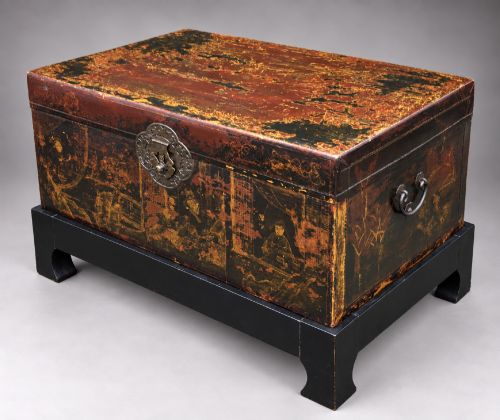
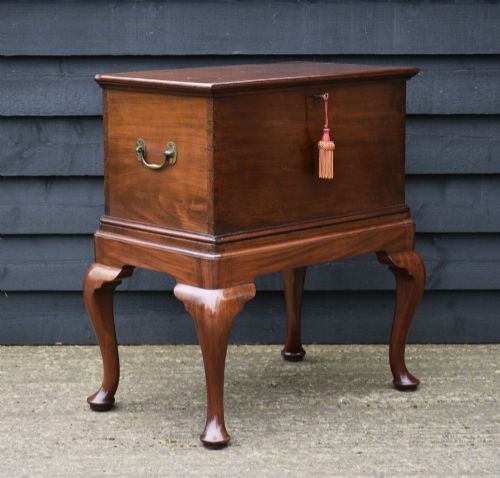
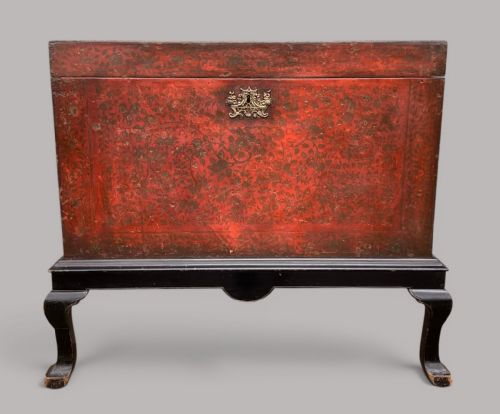


Blanket Box on Stand
A blanket box on stand pairs a deep storage chest with raised legs, keeping textiles off cold floors and within easy reach.
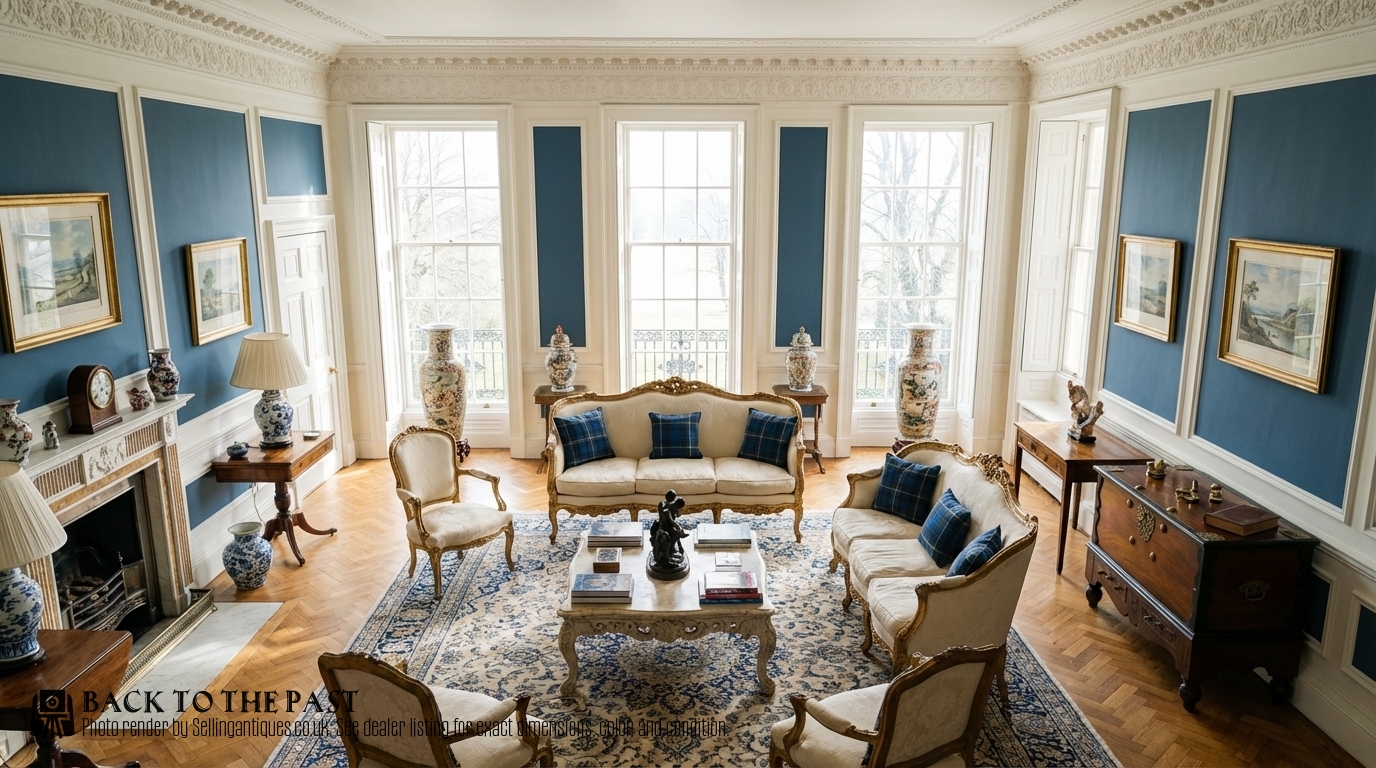
Blanket Box on Stand
A blanket box on stand combines a deep lidded chest with a supporting base, lifting domestic storage off the floor to protect contents from damp. These pieces range from sturdy 17th-century oak coffers to refined 18th-century mahogany and walnut examples raised on elegant legs.
The format appears across multiple global traditions, from traditional British oak and mahogany iterations to Anglo-Indian, Chinese Export, and Japanese lacquerwork. Buyers encounter both utilitarian pine variants and highly decorative lacquered or brass-mounted trunks adapted for elevated display.
Originating as practical furniture for keeping linens and garments clean, these dual-component pieces bridge the gap between heavy storage furniture and lighter display tables. The raised stance changes the proportions entirely, turning a simple chest into a commanding focal point.
Materials and construction methods
Makers utilised dense hardwoods such as oak, mahogany, walnut, and teak, building the primary chest bodies with sturdy dovetail or panelled joinery to withstand heavy daily use. Pine and other softer woods appear in regional or vernacular utility pieces.
Surface treatments range from clear wax finishes that highlight figured wood grain to intricate red and black lacquer work applied on export pieces. Brass handles, corner mounts, and iron studs provide structural reinforcement while adding metallic contrast to the timber.
Regional styles represented include Georgian, Anglo-Indian, Chinese Export, Chinoiserie, and Swedish vernacular forms.
Distinctions in craftsmanship and origin
Superior examples demonstrate seamless integration between the upper chest and the lower stand, where legs and aprons complement the proportions of the lid rather than appearing as an afterthought. Timber selection dictates value, with highly figured mahogany and rich walnut achieving greater visual depth.
The integrity of decorative surfaces separates standard utility items from high-status export pieces, particularly where lacquer or brass mounts remain intact without excessive restoration. Original stands paired correctly with their corresponding chests hold more historic consistency than marriage pieces assembled later.
The Blanket Box on Stand Glossary
- Cofer
- A large wooden chest used for storing valuables, textiles, or provisions. These heavy boxes form the upper portion of many early elevated storage pieces.
- Chinoiserie
- European imitation or adaptation of Chinese and East Asian artistic motifs and lacquer techniques. This decorative style appears on several imported trunk surfaces.
- Silver chest
- A heavy, partitioned container designed specifically to hold family silver. These secure boxes frequently share the sturdy proportions found on raised stands.
- Dowry chest
- A specialised storage piece commissioned to hold household linens and possessions for a bride. Such trunks often display finer timbers and decorative mounts.
- Campaign chest
- Portable military furniture designed in modular sections for travel. These chests occasionally incorporate stands or folding bases for field use.
Blanket Box on Stand: Frequently Asked Questions
What is a blanket box on stand?
A blanket box on stand is a storage chest raised upon a supporting frame or set of legs. This design keeps heavy textiles away from cold, damp floors.
The elevated format also brings the lid up to a more convenient height for daily access. It combines the deep capacity of a traditional trunk with the lighter visual profile of a table.
How were these chests originally used?
These pieces served primarily for storing household linens, woollens, and garments in domestic bedchambers. Raising the box protected valuable textiles from ground-level moisture and dirt.
Some variations functioned as silver chests or dowry trunks, securing precious items under heavy locks. The flat top surface could also double as a display space or auxiliary table.
How do I tell different periods apart?
Seventeenth-century examples typically feature heavy oak construction with pegged joints and hand-carved panels. Eighteenth-century versions often display refined mahogany or walnut timber with polished brass hardware.
Nineteenth-century iterations introduce diverse global influences, including Anglo-Indian lacquerwork and Japanese export designs. Examining the interior joinery and wood species clarifies the era of manufacture.
Are the chest and stand always original to each other?
Many surviving examples consist of a chest and stand created at different times, often united by dealers or collectors in later centuries. Inspecting the mounting points and timber wear reveals whether the base was made for that specific box.
Matched sets show consistent wood ageing, wear patterns, and proportional harmony between upper and lower components. Marriage pieces remain common due to the practical utility of elevating older trunks.
How do I care for antique wood and lacquer?
Antique timber benefits from occasional gentle waxing with traditional formulations to nourish the grain and prevent drying. Avoid placing these pieces in direct sunlight or near heat sources that cause wood to warp.
Lacquered surfaces require soft dusting with a dry microfibre cloth, avoiding harsh chemical cleaners entirely. Maintaining stable room humidity preserves both the structural wood and delicate surface decorations.