



Black Wrought Iron Bed
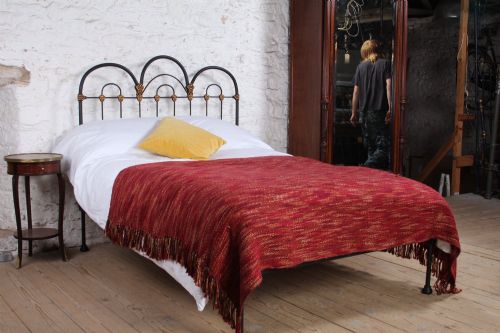
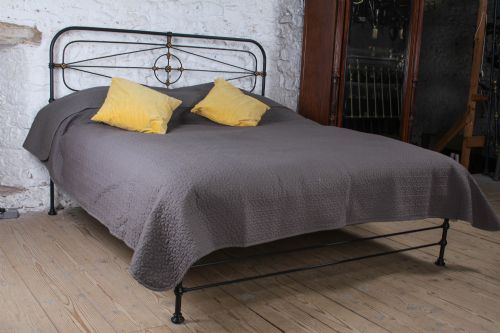
A black wrought iron bed brings architectural strength and enduring simplicity to a bedroom, anchoring the room with dark metalwork and period character.
Black Wrought Iron Bed
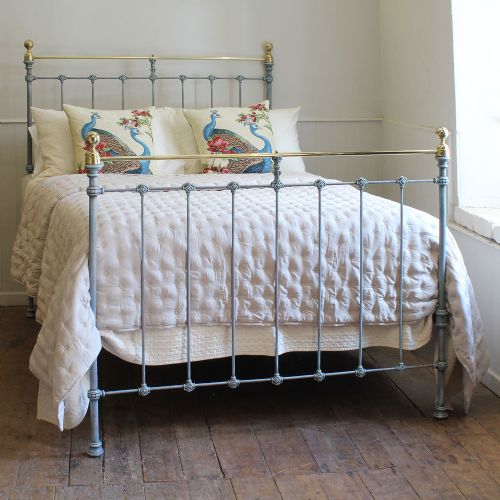
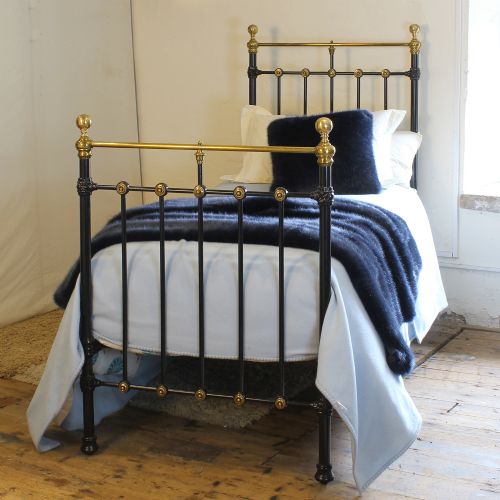
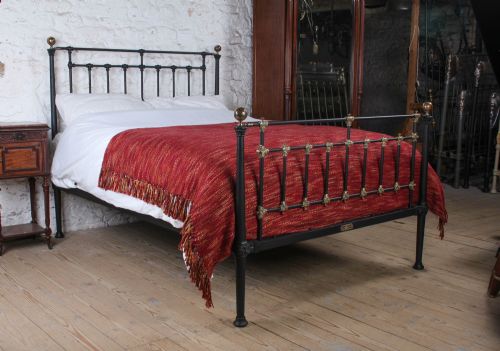
A black wrought iron bed is a substantial frame designed for sleeping, combining structural metal elements with period styling. These pieces originate primarily from the Victorian era, alongside examples from the early twentieth century and nineteenth-century Italian and French workshops. When browsing a black wrought iron bed selection, buyers frequently encounter Victorian king-size or single bedsteads featuring arched rails or decorative brass components.
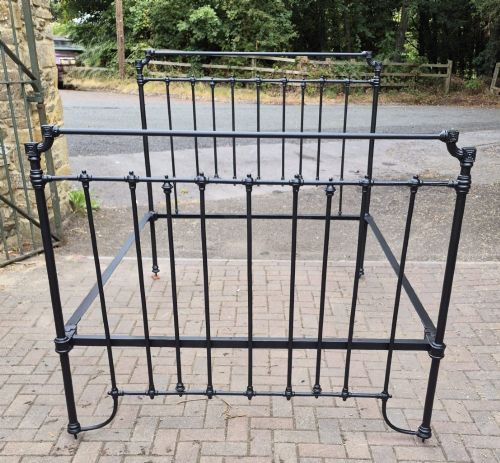
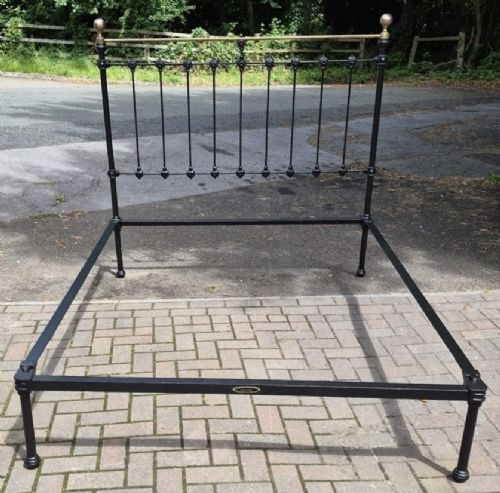
The inventory ranges from simple single beds to grand super king sizes and French hospital styles. Forms vary between ends with high footboards, low end configurations, and no end designs that offer a streamlined silhouette. Makers utilised iron, cast iron, and wrought iron alongside brass highlights, paint, and japanned lacquer to finish the frames.
How they were made
Black wrought iron beds rely on forged and cast metal components shaped into rails, spindles, and frames. Blacksmiths and manufacturers utilised hand forged cast iron and wrought iron, frequently pairing the dark metal with polished brass finials and mounts. Surface finishes involved traditional paint, japanned lacquer, and occasional gilding to enhance the decorative details.
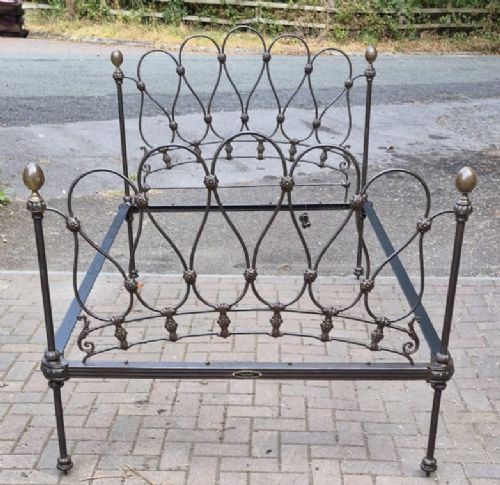
Structural integrity was achieved through robust corner brackets and sturdy side rails that supported large mattresses. Details such as curly ironwork, tapered posts, and three hoop constructions required specialist metalworking techniques typical of nineteenth-century and early twentieth-century production.
Some hospital style beds were built with castors so nurses could wheel patients closer to the coal fire on frosty mornings.
What varies in quality
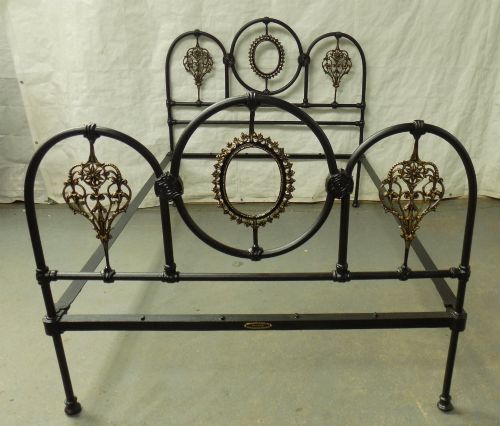
The distinction between standard pieces and the finest examples lies in the intricacy of the metalwork and the originality of the finish. Superior items feature complex scrollwork, neatly tapered posts, and well-executed brass mounts that complement the dark iron frame. Exceptional pieces bear makers' marks or showcase distinctive regional styles such as Celtic or Art Nouveau influences.
The quality of surviving surfaces also plays a significant role in the overall execution. Original japanned lacquer finishes and well-preserved paintwork demonstrate a higher degree of historical integrity than later refinished surfaces, preserving the character developed over decades of use.
Winfield
The Black Wrought Iron Bed Glossary
- Bedstead
- The complete framework of a bed, including headboard, footboard, and rails, designed to support a mattress. These structures are built from iron, brass, and wood depending on the period.
- Japanned
- A style of European decorative finishing that emulates Japanese and Chinese lacquerwork. This glossy black finish appears on select nineteenth-century metal beds.
- Tole Ware
- Painted or lacquered sheet metal items produced in Europe during the nineteenth century. It occasionally forms part of the decorative elements on Italian and French bed frames.
- Finial
- A decorative ornament fixed to the top corner posts or spindles of a bedstead. They are frequently cast in brass to contrast against the dark iron frame.
- Spindle
- A turned or forged vertical rod used to fill the space within a headboard or footboard. They provide structural support while adding visual rhythm to the design.
Black Wrought Iron Bed: Frequently Asked Questions
How do I fit a modern mattress?
Many historical frames accommodate standard modern sizes such as king or double, though interior dimensions can vary slightly from contemporary standards. Checking the exact width and length of the side rails ensures a proper fit for standard bases.
Buyers often use supportive slats or modern base inserts resting within the original iron rails. This approach maintains the antique appearance while providing the necessary support for contemporary mattresses.
Are these beds easy to assemble?
Most period metal beds use wedge and socket joints or heavy-duty iron bolts to connect the headboard, footboard, and side rails. This modular construction allows the frame to be dismantled into flat components for transport.
Assembly typically requires two people to align the heavy metal sections securely. Once locked into place, the weight of the iron ensures a stable and rigid structure.
How do I care for the black finish?
Maintaining the dark metal surface involves gentle dusting with a dry microfibre cloth to prevent the accumulation of grit. Harsh chemical cleaners should be avoided to protect original paintwork and japanned lacquer.
Occasional application of a microcrystalline wax helps protect exposed iron from moisture and handling. Brass finials can be polished sparingly if a brighter appearance is desired, though many prefer a mellowed historical patina.
Can single beds be joined together?
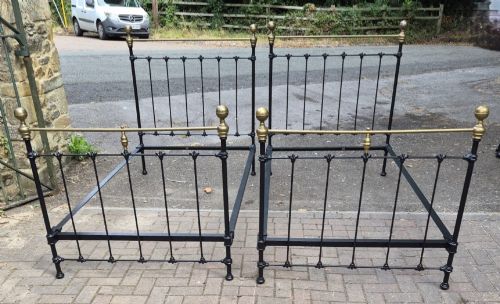
Certain pairs of single bedsteads are manufactured with compatible dimensions and matching styles to allow side-by-side placement. These pairs can function as twin beds in a guest room or be joined if the side rails permit.
Examining the hook placements and overall design helps determine whether two single frames will align correctly. Pairs sharing identical Victorian or French styling offer a balanced look when used together.