


Black Wooden Desk
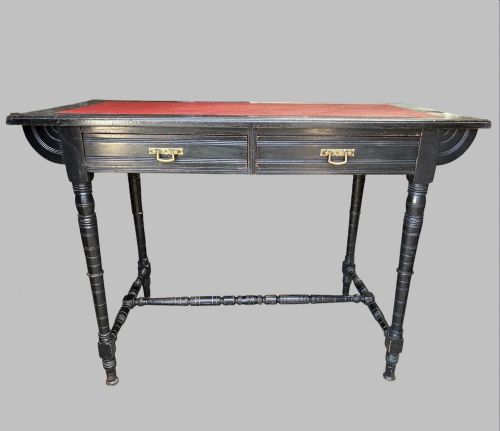
A black wooden desk brings serious presence to a room, offering dark surfaces and solid construction spanning the Victorian era through the Art Deco period.
Black Wooden Desk
A black wooden desk sits among a broader selection of dark wood and ebonised items, drawing from periods like the Victorian era, Regency, and the 1920s. Buyers searching for a black wooden desk will encounter writing surfaces alongside related workspace pieces such as clerks desks, pedestal desks, and writing boxes.
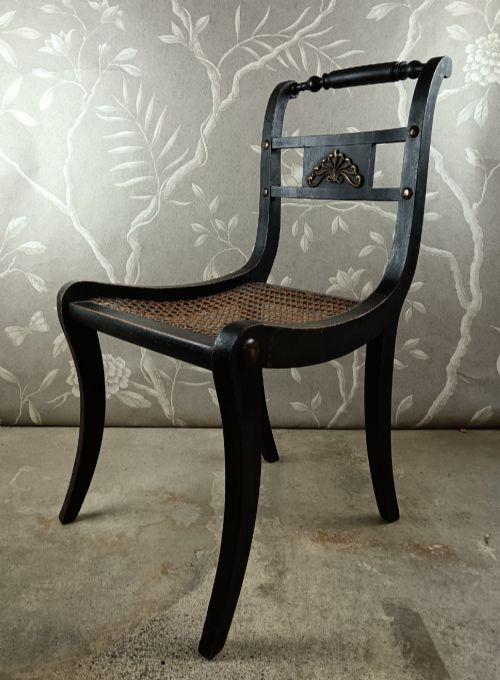
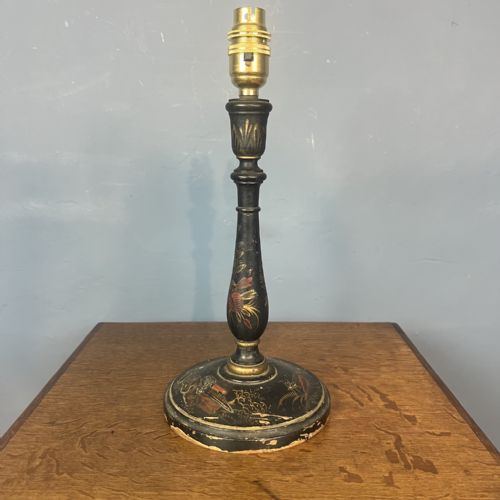
The selection ranges from elaborate Victorian ebonised and burr walnut inlaid designs to simpler utilitarian forms in oak and pine. Many examples incorporate dark ebonised finishes, solid ebony, or painted black surfaces that give the timber a uniform, deep tone.
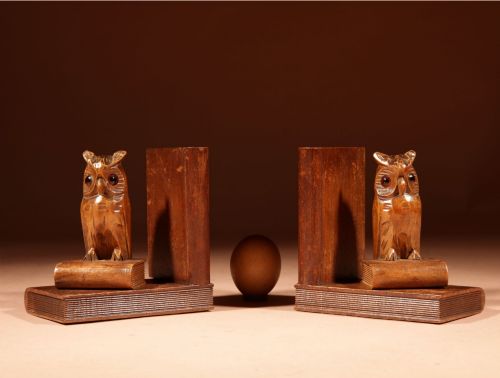
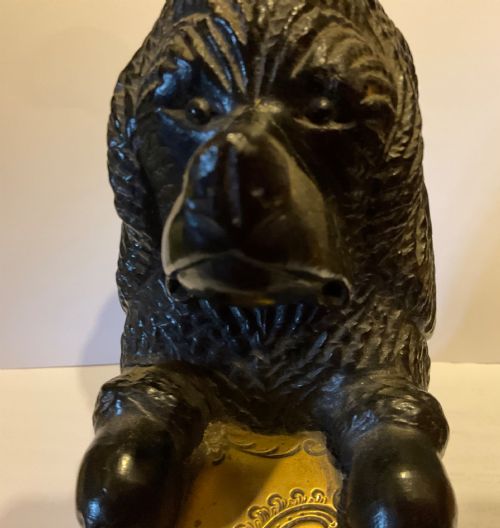
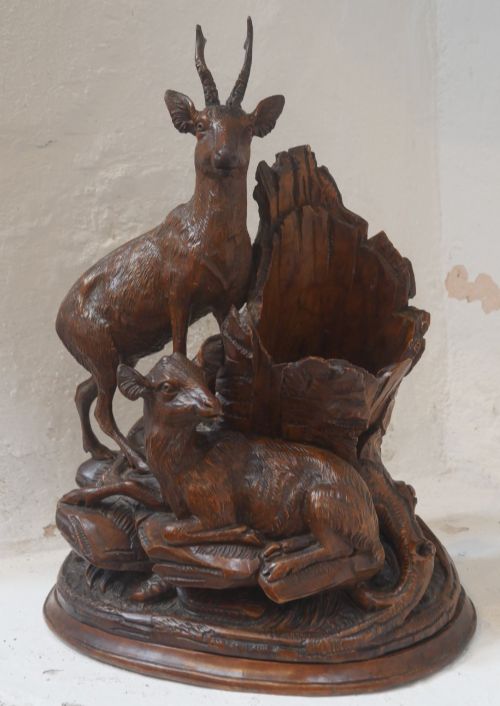
Origins vary widely, encompassing English workshop pieces, European Black Forest carvings, and Anglo-Indian productions in dense exotic timbers. This mix provides both formal library furniture and smaller utilitarian writing spaces suited to domestic studies.
What varies in quality
Quality separates pieces by the crispness of hand carving and the selection of underlying timber beneath the black finish. Superior examples display precise inlay work, well-figured burr walnut, and stable structural joinery that withstands daily use.
Makers and regional workshops influence standing, with labelled office furniture and signed artistic carvings holding distinct advantages over anonymous utilitarian pieces. The depth and integrity of the ebonised finish or natural ebony grain dictate the visual appeal across the range.
Listings feature items spanning the 1850s to the 1930s, combining ebonised wood, carved linden wood, solid ebony, and brass fittings.
Hindley and Sons·Collier and Plucknett·Bergen and Co
The Black Wooden Desk Glossary
- Ebonised
- Wood stained or painted to imitate expensive ebony. This technique was common in Victorian and aesthetic movement furniture to achieve a stark, dark finish.
- Black Forest
- Carved wooden items originating from central Europe, particularly Switzerland and Germany. These pieces typically depict animals, foliage, or figures carved from linden wood and walnut.
- Anglo-Indian
- Furniture and decorative objects made in India during the British period, frequently utilising dense tropical hardwoods like solid ebony with intricate carved decoration.
- Fusee
- A conical pulley mechanism used in antique clocks to maintain even tension as the mainspring unwinds. It ensures accurate timekeeping across the running period.
- Biedermeier
- A central European style spanning the nineteenth century focusing on clean lines, utilitarian comfort, and the use of domestic veneers like birch without excessive ornamentation.
Black Wooden Desk: Frequently Asked Questions
How do I date a black wooden desk?
Dating relies on examining construction methods, timber types, and decorative styles visible across the piece. Victorian examples often feature ebonised surfaces with walnut inlays, while later twentieth-century pieces adopt simpler industrial or Art Deco forms.
Hardware, drawer dovetailing, and any makers labels or stamps provide further evidence to narrow down the decade of production.
Are ebonised desks made of solid ebony?
Most ebonised desks use a secondary timber like oak, pine, or beech that is stained or painted black. True solid ebony pieces are heavier, denser, and typically associated with specific regional origins such as Anglo-Indian production.
Inspecting hidden areas beneath the desk reveals the underlying timber used by the cabinet maker.
How should I care for an antique dark wood surface?
Maintain the finish by dusting regularly with a soft, dry cloth and avoiding direct sunlight that can fade ebonised or painted surfaces. Occasional application of appropriate wax preserves the sheen without building up heavy residues.
Keep desks away from direct heat sources to prevent timber shrinkage and cracking in the joints.
What is the difference between an office desk and a writing box?
An office desk provides a fixed workspace with integrated drawers and a dedicated surface for daily administrative tasks. A writing box is a portable chest designed to sit on a table, folding open to reveal a sloping writing surface and storage compartments for stationery.
Writing boxes reflect an era of portable correspondence, whereas desks remain stationary architectural fixtures in a room.