

Vintage Ebonised Table
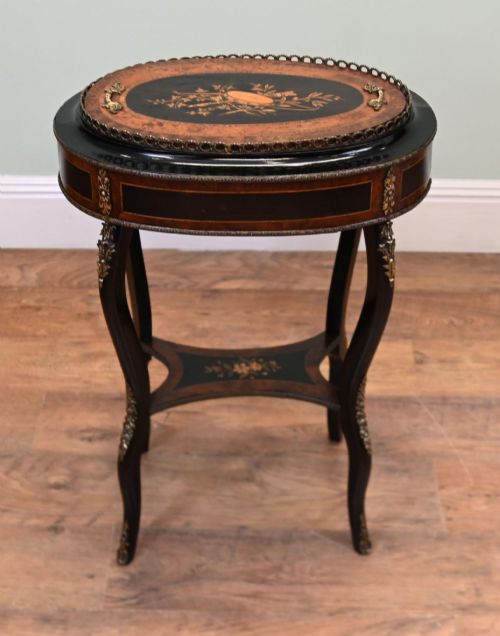
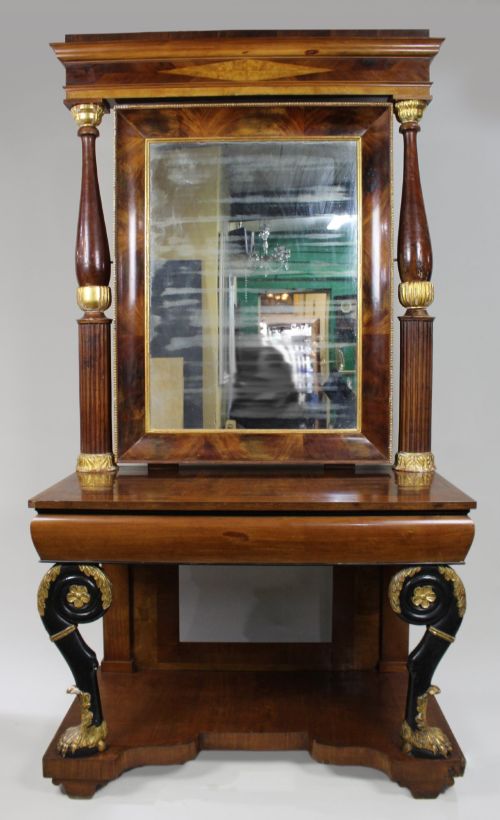
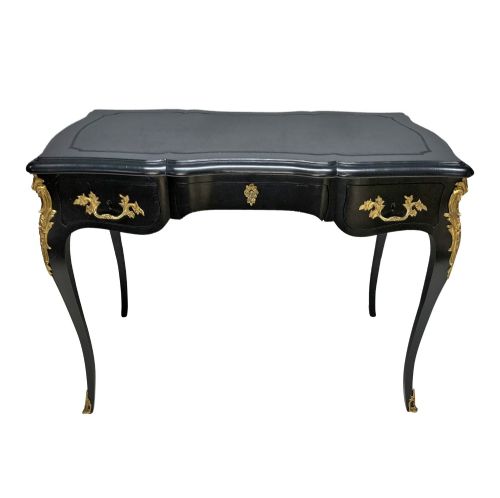
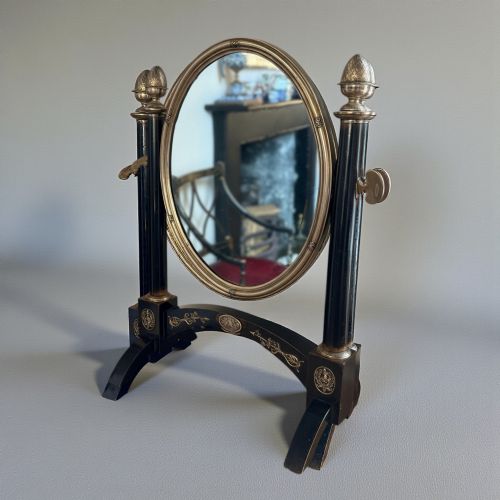
A vintage ebonised table brings deep dark timber surfaces and contrasting brass, walnut, or giltwood highlights into a room.
Vintage Ebonised Table
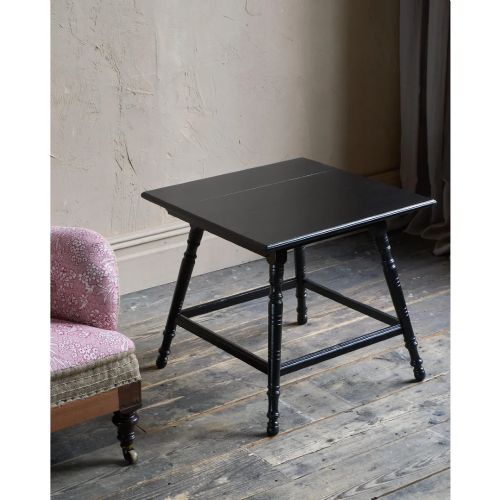
When searching for a vintage ebonised table, buyers encounter a variety of forms including side tables, occasional pieces, coffee tables, and centre tables spanning the nineteenth and twentieth centuries. These pieces emerge from design movements such as the Aesthetic Movement, Art Deco, and Edwardian periods, alongside regional styles like Anglo-Indian and Chinoiserie.
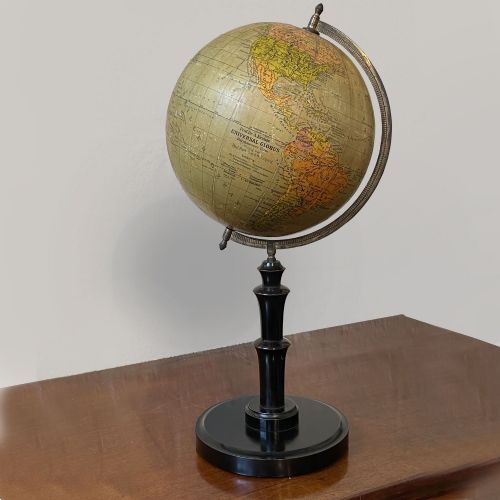
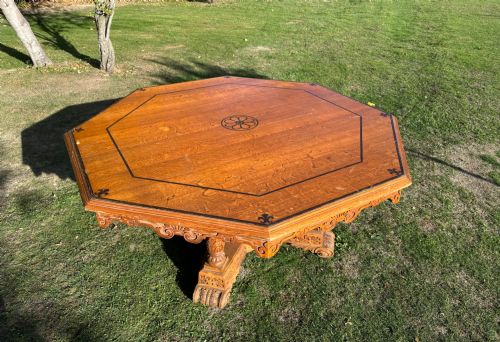
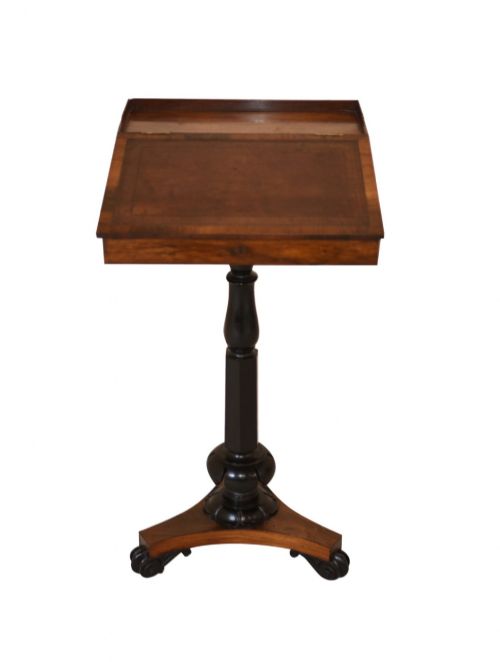
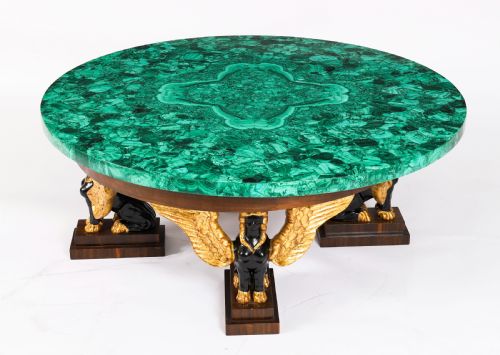
The version most commonly met on this page is the occasional or side table, often enhanced with marquetry, brass inlay, or chip-carved detailing. The selection ranges from compact pedestal designs to octagonal surfaces and multi-tiered etageres.
Originating across Britain, France, and wider international workshops, these dark-finished pieces serve practical functions while offering strong visual contrast through their blackened timber surfaces.
What varies in quality
The standard of an ebonised table rests upon the crispness of its surface preparation and the depth of the blackened finish. Superior examples display smooth, even coverage that preserves the underlying timber grain rather than masking poor surface preparation behind thick paint.
Quality also shows in the execution of decorative details, such as the precision of brass inlay, the tightness of parquetry joints, and the structural integrity of turned supports. Tables featuring hand-carved elements or integrated marquetry demonstrate higher workshop capability than plain, mass-produced counterparts.
Vintage Ebonised Table Retail Price Guide 2026
Typical asking prices for vintage ebonised table among the pieces listed under this phrase on Sellingantiques today, from the lower quarter to the upper quarter. They describe what is for sale here now, not the wider market.
Object forms within this category extend beyond standard side tables to include octagonal occasional tables, etagere display shelves, and pedestal desks.
Hindley and Sons·Druce and Co London·Liberty and Co·Walker and Hall·Lenzkirch
The Vintage Ebonised Table Glossary
- Ebonised wood
- Timber treated with stain, paint, or chemical processes to imitate costly ebony. This technique gained widespread popularity during the Victorian and Aesthetic Movement periods for creating dramatic visual contrast.
- Aesthetic movement
- A late nineteenth-century design ethos prioritising beauty over narrative or moral function. Pieces from this era often feature ebonised surfaces paired with Japanese-inspired motifs.
- Marquetry
- The art of applying decorative veneer pieces to a structure to form intricate patterns. Skilled makers utilise contrasting woods and metals to create geometric or floral scenes.
- Parquetry
- A geometric mosaic of wood pieces used for surface decoration on tabletops and shelves. It differs from marquetry through its strict reliance on angular, repeating patterns.
- Occasional table
- A small, movable table designed for specific, intermittent use within a room. These versatile pieces include low coffee tables, lamp tables, and display stands.
Vintage Ebonised Table: Frequently Asked Questions
How do I clean an ebonised table?
Dust the surface regularly with a soft, dry cloth to prevent particulate accumulation. Avoid harsh chemical cleaners or excessive moisture, which can degrade the dark surface finish.
Apply a microcrystalline wax sparingly if the timber requires nourishment, buffing gently to maintain a soft sheen without building up residue.
Are these tables sturdy enough for daily use?
Most occasional and centre tables are constructed for practical household placement and regular weight bearing. However, delicate brass inlay or tiered etagere structures require careful handling.
Position the table away from direct heat sources and strong sunlight to prevent the timber from warping or the ebonised finish from fading over time.
What distinguishes Aesthetic movement tables?
Aesthetic movement pieces emphasise stark visual contrasts, frequently combining ebonised wood with gilt highlights, brass mounts, or oriental motifs. They reflect a deliberate departure from heavy Victorian ornamentation.
These designs often incorporate slender legs and geometric framing, prioritising artistic composition and linear elegance over sheer bulk.
Can I place a lamp on a side table?
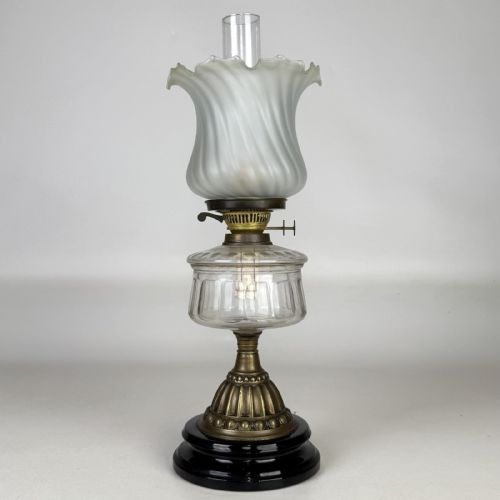
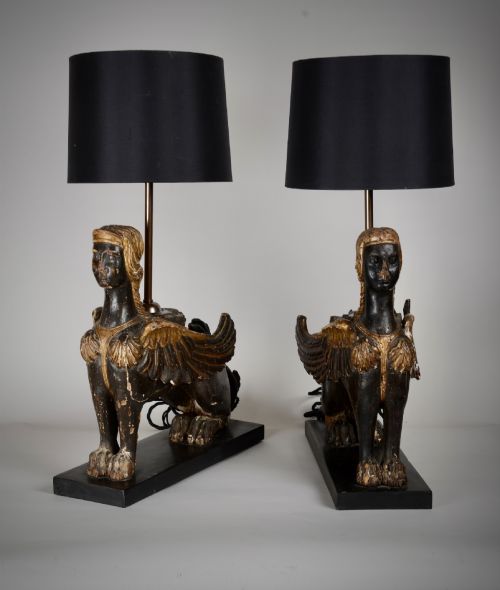
Side tables and occasional tables provide ideal platforms for lighting fixtures, table lamps, and small decorative items. Ensure the surface area comfortably accommodates the base without overhang.
Protect the ebonised wood from potential condensation or scratching by utilising felt pads beneath lamp bases and heavy decorative objects.