

Black Wood Statues
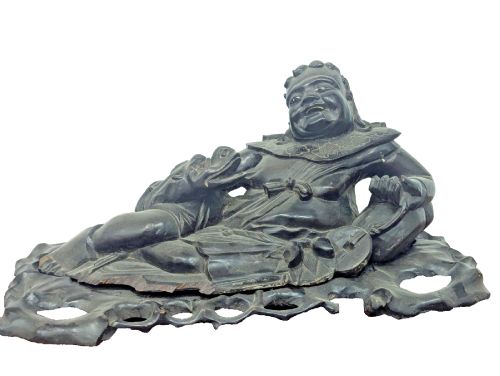
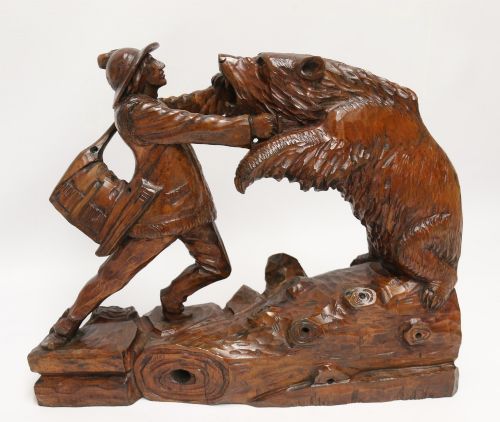
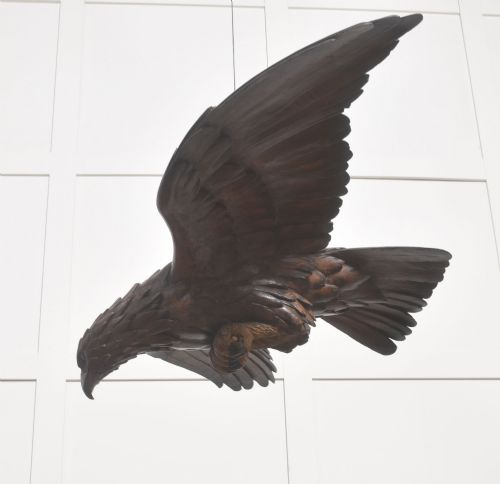
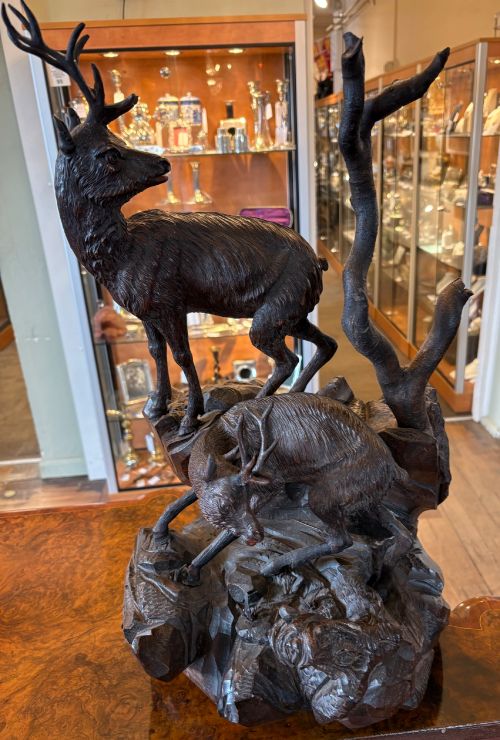
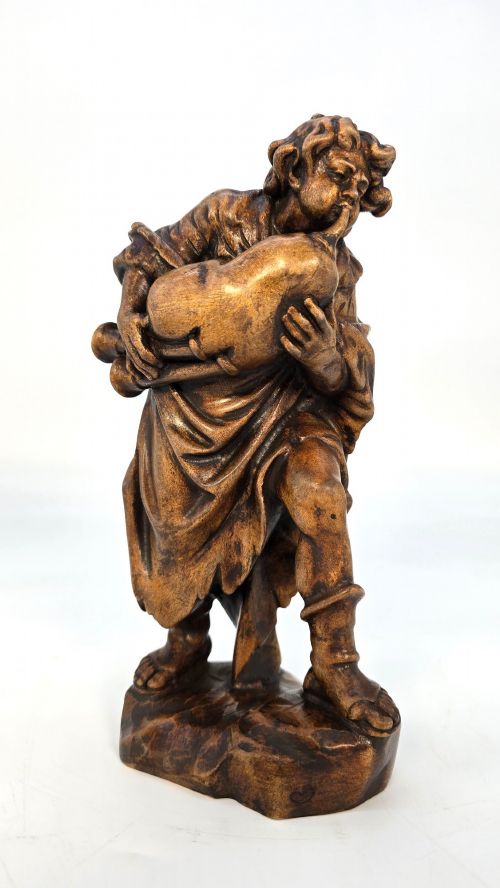
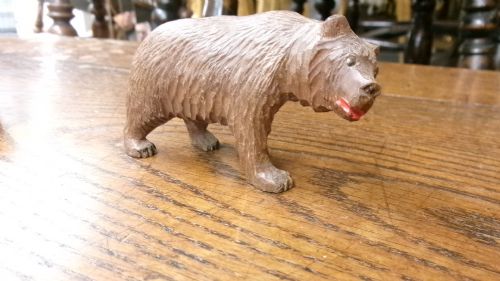
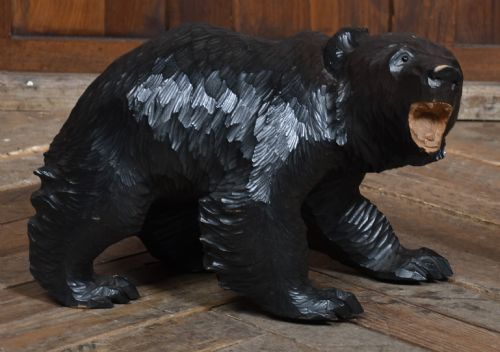
These black wood statues bring tactile depth into a room through carved animal and human figures created across the nineteenth and twentieth centuries.
Black Wood Statues
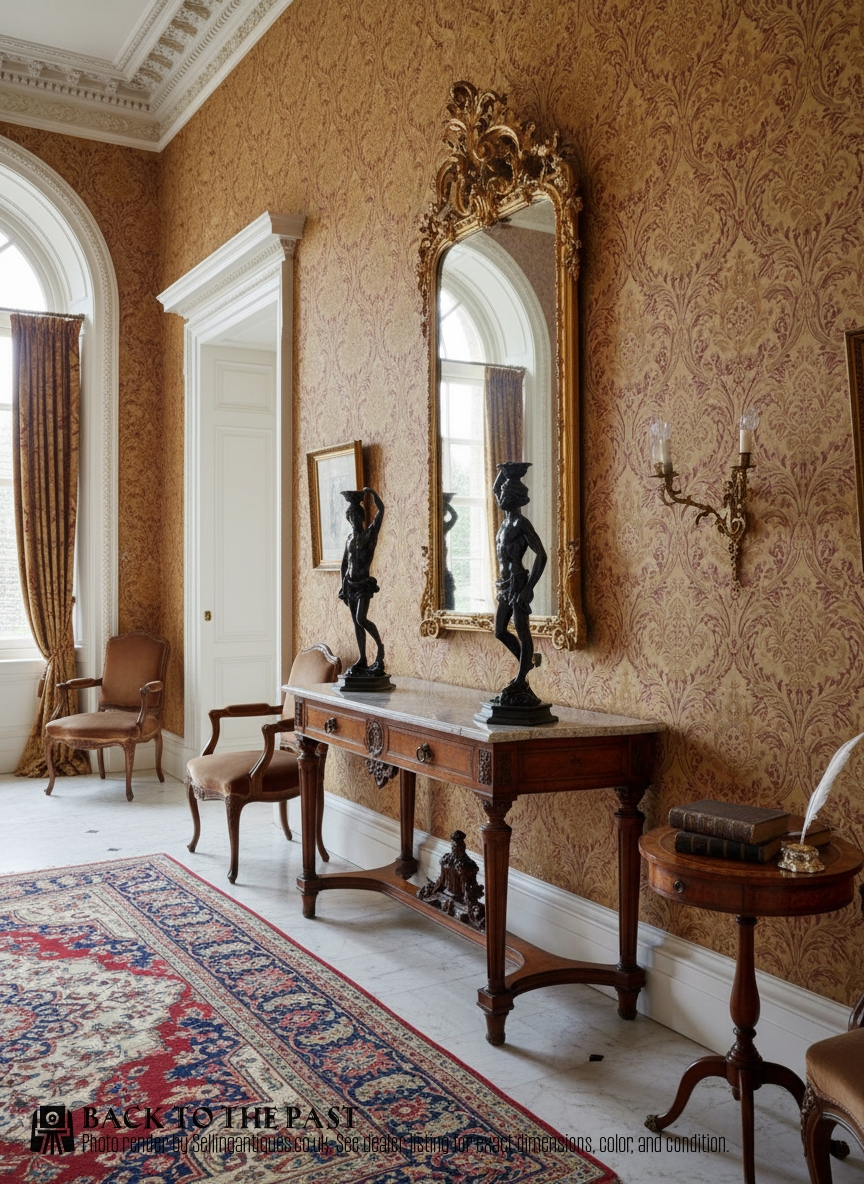
When buyers search for black wood statues, they encounter sculptural objects shaped from dark timber, walnut, and limewood. These pieces emerge predominantly from European workshops, notably Swiss and German centres associated with alpine traditions, alongside regional expressions from Asia and Africa.
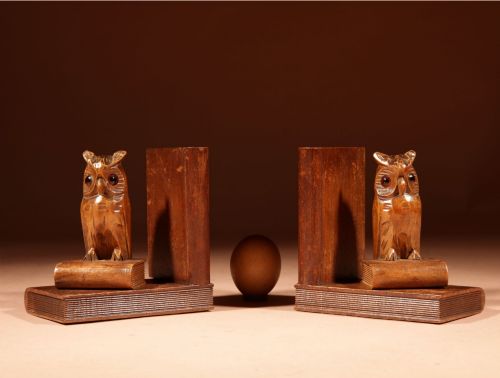
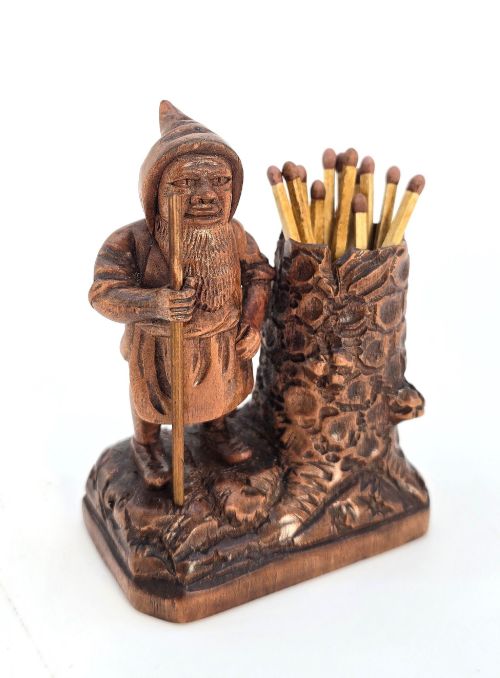
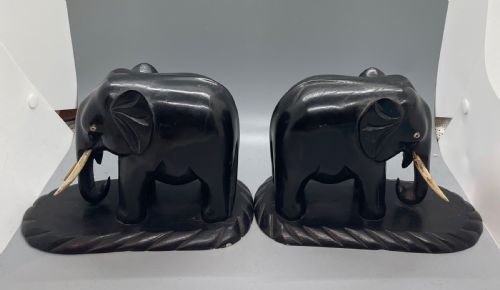
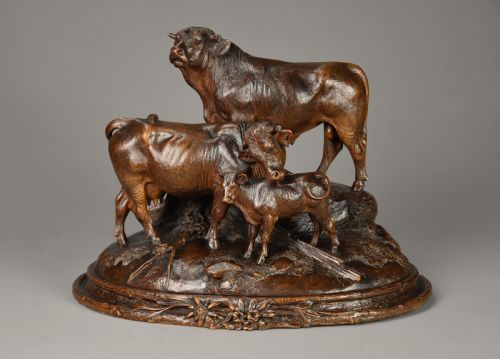
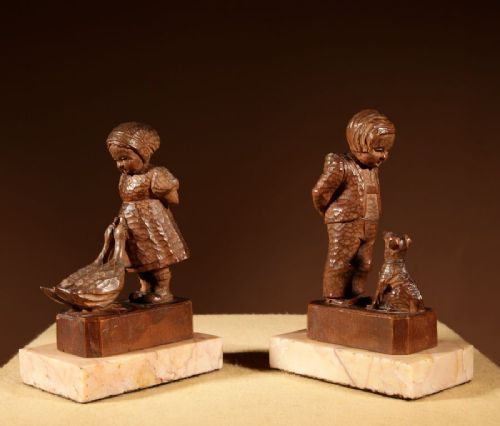
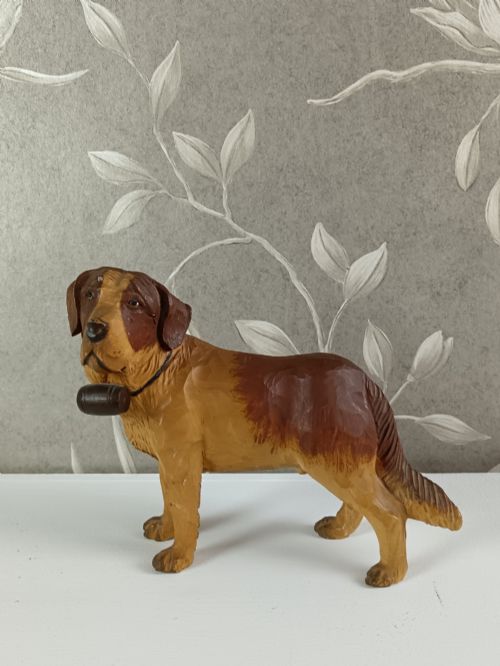
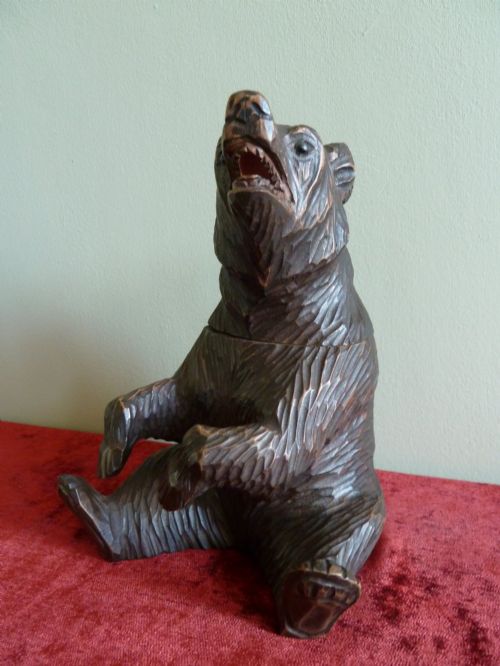
The selections span figures of animals such as bears, deer, and elephants, as well as human subjects including peasants, musicians, and saints. Functional items like bookends, match holders, and tobacco jars also appear within this group, combining utility with decorative carving.
Nineteenth-century Victorian production sits alongside early twentieth-century examples extending into the Art Deco era. Most items rely on regional folk art methods, capturing narrative scenes and natural forms in solid timber.
How they were made
Carvers utilised hand tools to shape walnut, hardwood, limewood, and linden wood into detailed sculptural forms. Selected timbers offered close grain structures that supported fine feather, fur, and facial detailing without splitting.
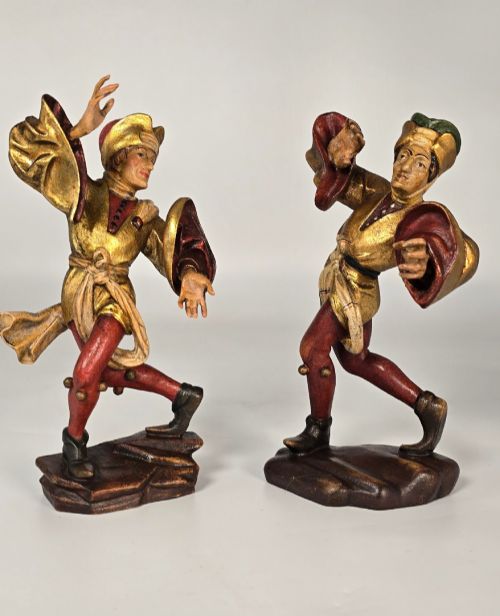
Surface treatments included dark staining, waxing, and polishing to accentuate the grain of the wood. Occasional details incorporated glass eyes or gold leaf elements to contrast against the dark timber base.
Listings feature carved wood figures spanning the eighteenth, nineteenth, and twentieth centuries, incorporating materials like walnut, limewood, glass, and gold leaf.
What varies in quality
Depth of relief and undercut detailing distinguish complex compositions from simpler blocked-out forms. Maker signatures, stamps, and documented provenance add authority to specific regional pieces.
J Huggler·Eugene Emile Borga
The Black Wood Statues Glossary
- Black Forest
- A style of wood carving originating from the mountainous regions of central Europe, known for depictions of local fauna and human figures. Bears and deer remain the most recognised motifs associated with this regional tradition.
- Limewood
- A pale timber favoured by carvers for its even grain and lack of prominent knots, which allows for intricate cutting in multiple directions. This wood takes dark stains readily to achieve the desired tone.
- Reliquary
- A container or guardian figure designed to hold sacred relics, often seen in tribal art traditions represented within carved wooden sculptures. These figures serve protective and spiritual functions within their originating cultures.
- Bookends
- Paired heavy objects designed to support upright volumes on a shelf, frequently rendered as animals or figures in carved wood. They balance utilitarian purpose with decorative sculptural presence.
Black Wood Statues: Frequently Asked Questions
How do I clean carved wood statues?
Dust these sculptures gently with a dry, soft brush to remove particles from deep recesses without disturbing the timber surface. Avoid liquid cleaners and excessive moisture, which can damage aged finishes and unsealed wood.
Apply a microcrystalline wax sparingly if the timber appears dry, buffing it gently with a soft cloth. Keep pieces away from direct heat sources and strong sunlight to prevent warping and fading.
Where were these wooden figures made?
Many originate from Swiss and German mountain communities, where local woodcarving industries produced animal and peasant figures for visitors. Other examples emerge from wider international traditions, including African tribal art and Asian carving workshops.
Workshop output often reflects the native fauna or cultural stories of the maker's region. Examining the choice of timber and carving style helps indicate the likely geographical origin.
How can I date a wooden sculpture?
Inspect the tool marks, timber type, and wear patterns to estimate the period of manufacture. Nineteenth-century examples often display hand-chiselled surfaces beneath later patination, whilst twentieth-century pieces may show cleaner machine preparation in concealed areas.
Signatures, stamps, and registration marks provide definitive dates when present. Comparing the subject matter to known stylistic eras, such as Art Deco or Victorian folk art, narrows down the timeline.
Are these pieces solid wood?
Most of these sculptures are carved from single blocks or joined sections of solid timber, such as walnut, limewood, or ebony. Solid construction gives the pieces substantial weight relative to their size.
Natural movement over time can cause hairline splits in solid wood as humidity changes. These minor shifts form part of the natural ageing process for antique timber.