

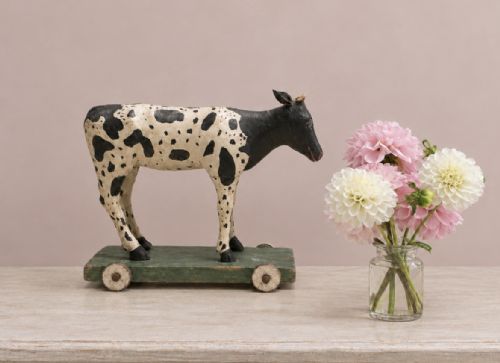
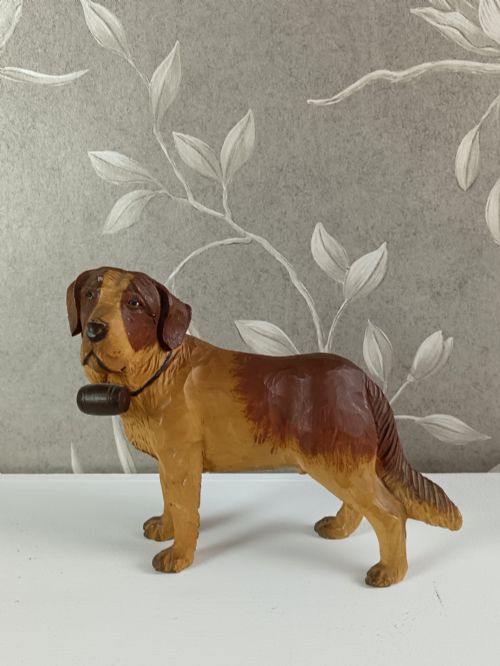


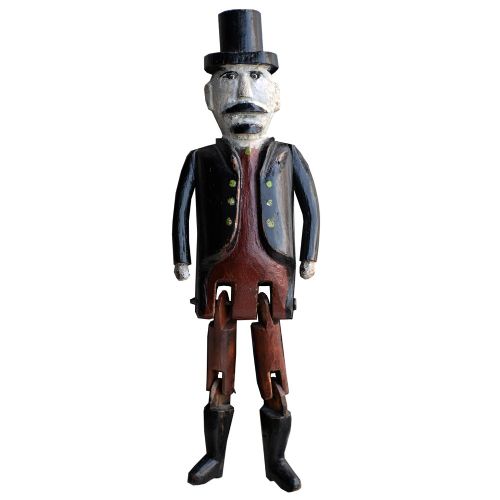


Black Painted Wooden Figures
These black painted wooden figures span centuries of vernacular carving, bringing tactile character and historic craftsmanship straight into a modern room.
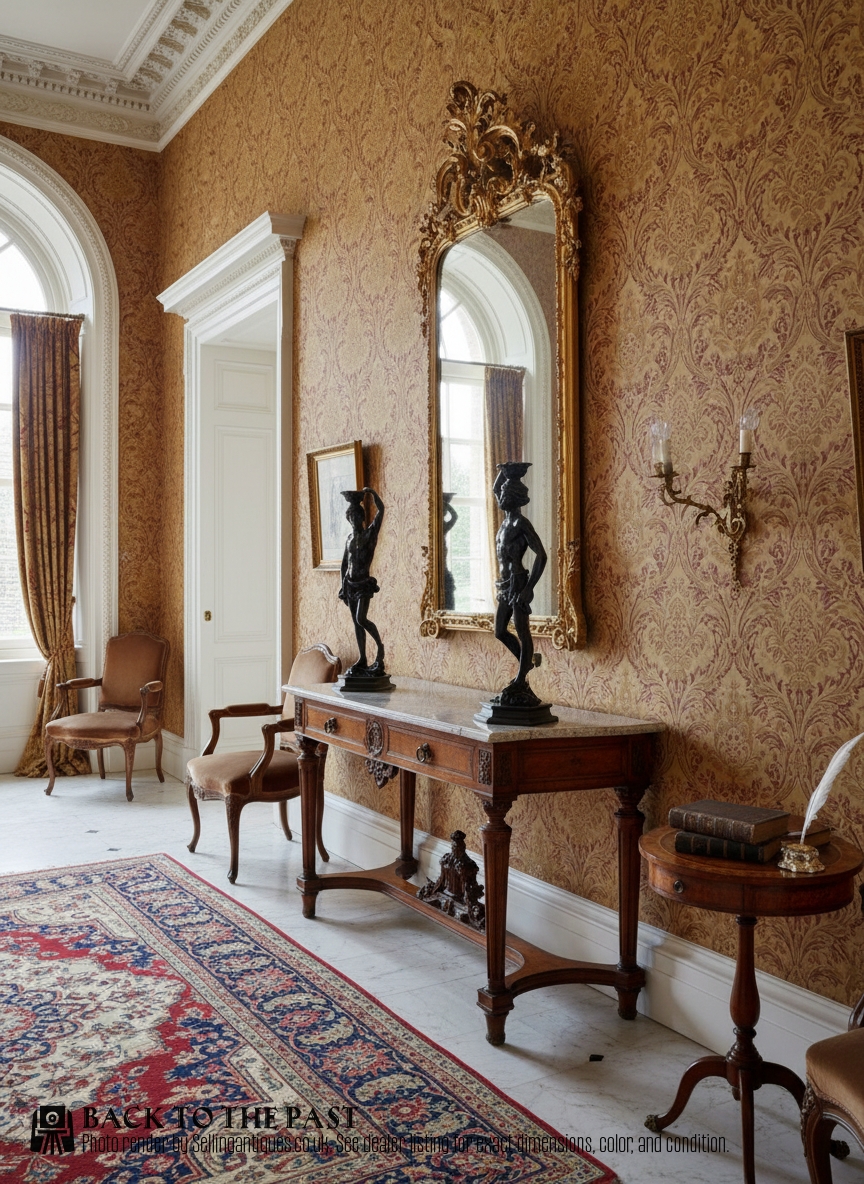
Black Painted Wooden Figures
When you search for black painted wooden figures, you encounter a varied collection of carved forms, ranging from folk art animals to Victorian display pieces and traditional European objects. These works utilise wood and ebonised finishes to create striking visual silhouettes that define traditional interiors.
You are most likely to meet English jigger dolls from the early twentieth century alongside nineteenth-century French folk art and alpine carvings. The selection also includes carved wooden decoys, saintly figures, and decorative vessels displaying regional craftsmanship.
How they were made
The makers relied primarily on carved wood, shaping solid timber into expressive forms before applying paint, gesso, or ebonised finishes. Surfaces were often hand-painted with polychrome details or sealed with dark lacquer to enhance the grain and protect the material.
Additional elements such as metal fixtures, cast iron components, and felt pads appear on functional objects like animal trolleys and mechanical toys. These mixed materials reflect the practical construction methods used by vernacular woodworkers and folk artisans.
Black Painted Wooden Figures Retail Price Guide 2026
Typical asking prices for black painted wooden figures among the pieces listed under this phrase on Sellingantiques today, from the lower quarter to the upper quarter. They describe what is for sale here now, not the wider market.
One remarkably expressive painted wooden mouse named Ignatz joins the parade of antique dogs, cows, and saints.
What varies in quality
Quality rests in the anatomical confidence of the carving and the preservation of the original painted surface. Pieces that retain their genuine early pigment and display fluid tool marks demonstrate superior artistic execution compared to later or heavily restored examples.
The Black Painted Wooden Figures Glossary
- Ebonised wood
- Timber treated with stain, dye, or polish to imitate the dark, dense appearance of ebony. This finish was widely utilised during the Victorian era to create dramatic contrast on decorative sculptures.
- Folk art
- Utilitarian or decorative objects created by self-taught or traditional craftsmen outside the formal academic tradition. These pieces emphasise regional character and functional design over strict classical proportions.
- Polychrome
- Decorated or printed in several colours. This technique appears on carved wooden character heads and devotional sculptures to provide realistic or symbolic hues.
- Jigger doll
- A traditional mechanical toy featuring a jointed wooden figure designed to dance on a board when tapped. Early twentieth-century English examples often wear top hats and tailcoats.
- Gesso
- A plaster-like mixture applied to wood surfaces to provide a smooth base for painting and gilding. It helps bind subsequent pigment layers to the carved timber.
Black Painted Wooden Figures: Frequently Asked Questions
What are black painted wooden figures?
These pieces comprise hand-carved wooden sculptures, folk art toys, animal figures, and decorative objects finished with dark paint, ebonisation, or polychrome decoration.
Originating from various European and international traditions, they combine vernacular woodworking techniques with distinctive painted surfaces.
How were jigger dolls used?
Jigger dolls functioned as traditional moving toys designed to entertain audiences by dancing rhythmically when their wooden platform was tapped.
Craftsmen engineered the loose joints to create lively motion, making them popular folk art amusements in early twentieth-century England.
Where do these wooden figures originate?
The selection includes pieces from English, French, Spanish, and Oriental traditions, reflecting diverse regional styles and historical periods.
Maker communities ranged from rural folk carvers to alpine artisans and Victorian workshops producing decorative items for domestic interiors.
How should I clean painted wood?
Maintain the surface by gently dusting with a dry, soft cloth to prevent particulate accumulation without disturbing the historic pigment.
Avoid liquid cleaners, harsh chemicals, or direct sunlight, which can damage aged gesso, paint layers, and ebonised finishes.
How can I tell the period?
Dating relies on examining the tool marks left by the carver, the composition of the paint or gesso layers, and the wear patterns on the timber.
Stylistic indicators, such as Victorian ebonisation techniques or Art Deco influences, provide further context for the date of manufacture.