




Victorian Ebonised Figures
Victorian ebonised figures are dark-finished sculptural works and decorative ornaments from the nineteenth century that bring striking contrast and period character to an interior.
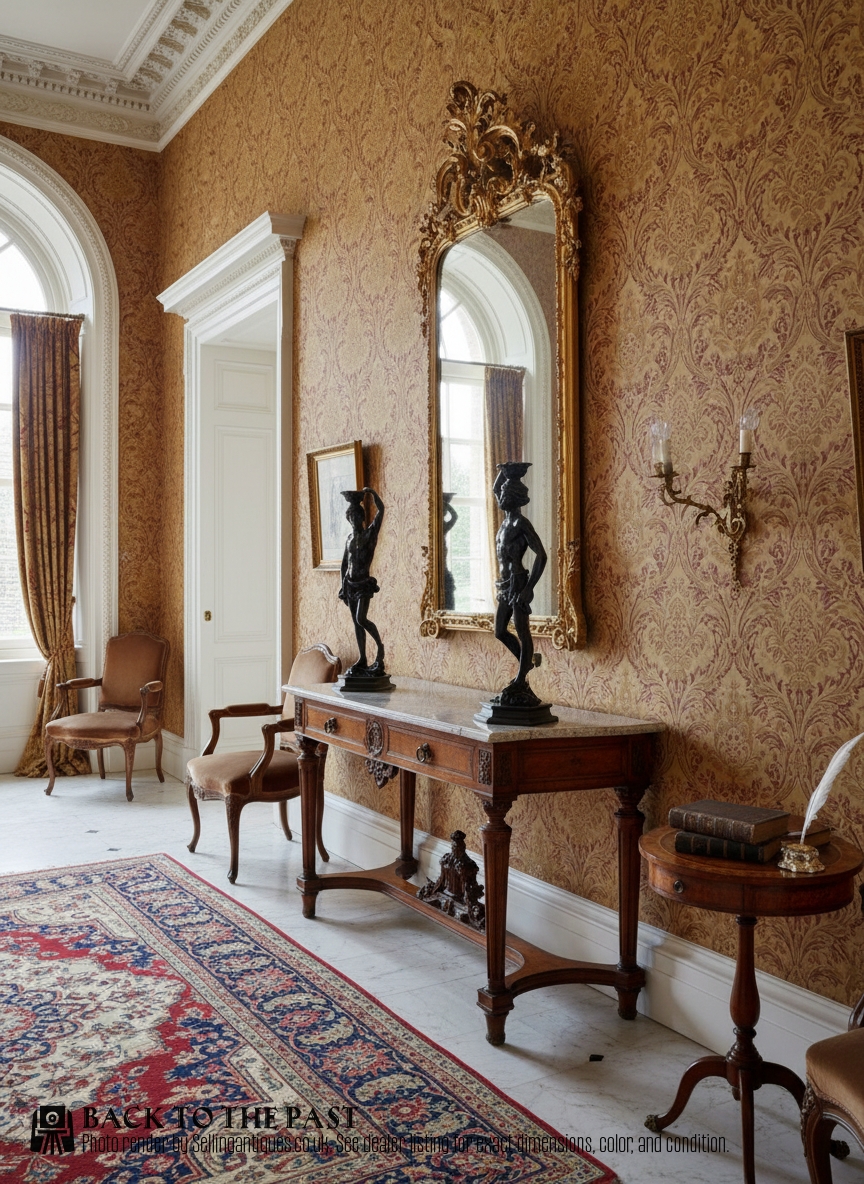
Victorian Ebonised Figures
Victorian ebonised figures encompass carved wooden sculptures, relief plaques, and stands originating from the nineteenth century. These pieces employ a dark, polished finish that mimics ebony, creating a dramatic silhouette against light backgrounds.
Buyers encountering this search phrase find a mix of carved wooden figures, stands, and plaques dating from the mid to late Victorian decades. The selection often includes decorative pairs, architectural elements, and sculptural supports designed for display.
The objects reflect various design influences spanning the Victorian era, from classical subjects to genre pieces. Their dark surfaces provide a unifying aesthetic across different object types, whether mounted on walls or placed on pedestals.
Materials and construction
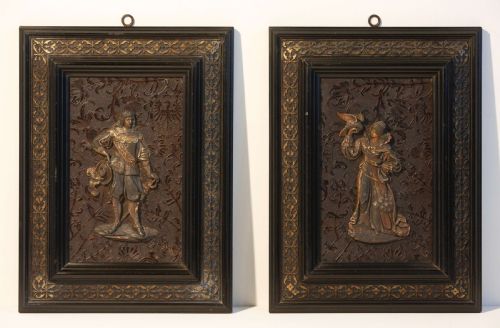
Maker construction relies primarily on carved wood treated with a dark ebonising finish to achieve a dense, uniform colour. Artisans frequently paired this dark wood with contrasting elements such as gilded slip, brass, or white metal and bronze relief.
Victorian Ebonised Figures Retail Price Guide 2026
Typical asking prices for victorian ebonised figures among the pieces listed under this phrase on Sellingantiques today, from the lower quarter to the upper quarter. They describe what is for sale here now, not the wider market.
A Victorian wax slaves diorama sits among the ebonised carvings, offering a sobering glimpse into nineteenth-century historical subject matter.
Assessing quality and execution
Quality in these pieces rests upon the crispness of the carving and the depth of the ebonised finish. Superior examples display refined hand work in the details of the figures rather than soft or mechanical shaping.
The integrity of the surface treatment and the retention of original auxiliary materials, such as gilded highlights or metal mounts, distinguish finer works. Proportion and balance in paired items also determine the overall standard of the piece.
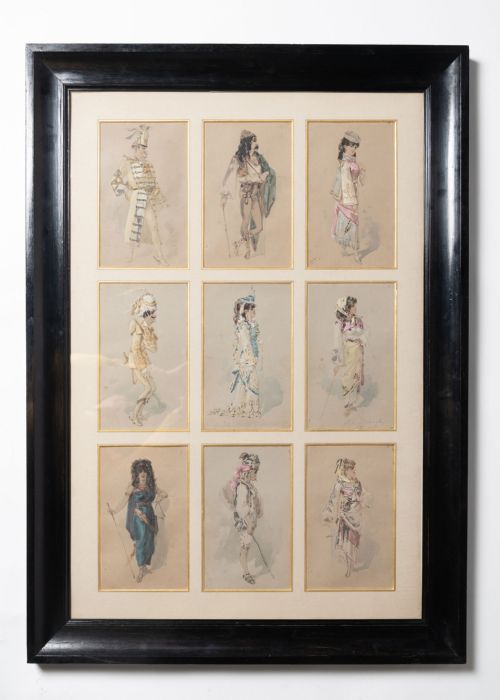
CARLHIAN AND CORBIERE LONDON·W D ALMOND
The Victorian Ebonised Figures Glossary
- Ebonised wood
- Timber treated with a stain or polish to imitate genuine ebony. This process gives common woods a deep, black lustre popular for display items.
- Relief plaque
- A wall-mounted decorative panel where figures project from a flat background. These works combine sculptural depth with the framing of a picture.
- Gilded slip
- A thin layer of gold-coloured finish applied to framing elements or recesses. It highlights the dark boundaries of ebonised woodwork.
- Torchere stand
- A tall decorative support designed to hold a light source, plant, or figure. In ebonised wood, these stands serve as sculptural pedestals.
- Display dome
- A glass cover set on a base to protect delicate objects from dust. These enclosures frequently accompany nineteenth-century figures and curiosities.
Victorian Ebonised Figures: Frequently Asked Questions
How do I clean ebonised wood?
Dust surfaces gently with a soft, dry cloth to prevent scratching the dark finish. Avoid using harsh chemical cleaners or excess water.
Apply a quality wax sparingly if the wood appears dry, then buff lightly with a clean cloth to restore the subtle sheen.
Where should I display these figures?
Place carved figures on mantelpieces, sturdy tables, or dedicated pedestals where their dark silhouettes stand out clearly. Ensure they sit away from direct sunlight to protect the wood and finish.
Wall plaques require secure fixings into solid masonry or studwork due to the weight of the timber and metal components.
Are these figures usually found in pairs?
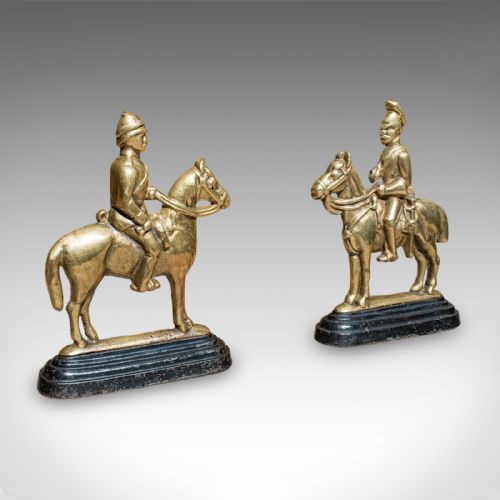
Many decorative figures and bookends from this period survive as matched pairs designed for symmetrical placement. Single pieces also appear frequently, often functioning as standalone plaques or display stands.
Pairs offer versatility for flanking doorways, fireplaces, or larger decorative arrangements within a room.
How can I tell Victorian pieces apart?
Examine the timber species, tool marks, and construction methods used on the reverse or underside of the object. Nineteenth-century work often shows hand-cut joinery and specific finishing techniques characteristic of the period.
Labels, stamps, or stamps from London retailers provide definitive evidence of origin and date when present.