





Ebonised Wooden Sculptures
These ebonised wooden sculptures bring deep, dark tones and classical forms into a room, offering a striking display for figures and lamps alike.
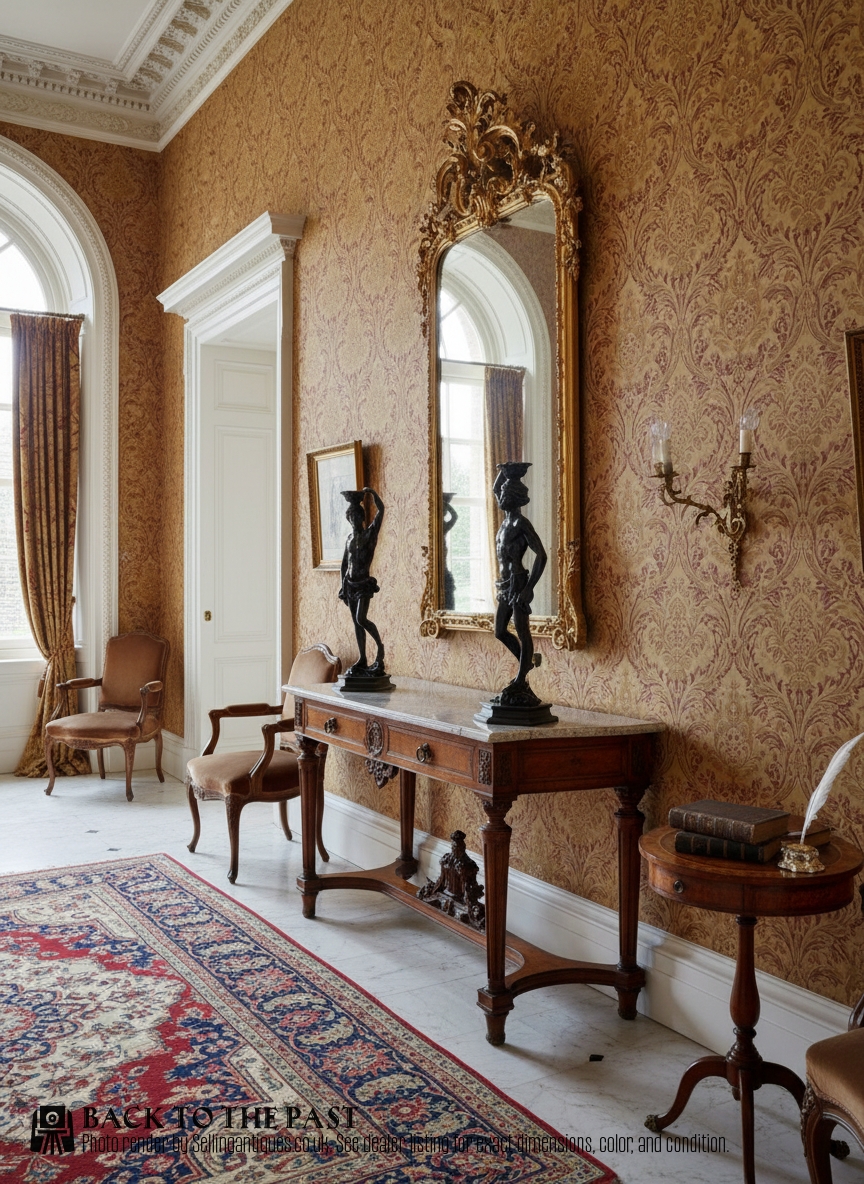
Ebonised Wooden Sculptures
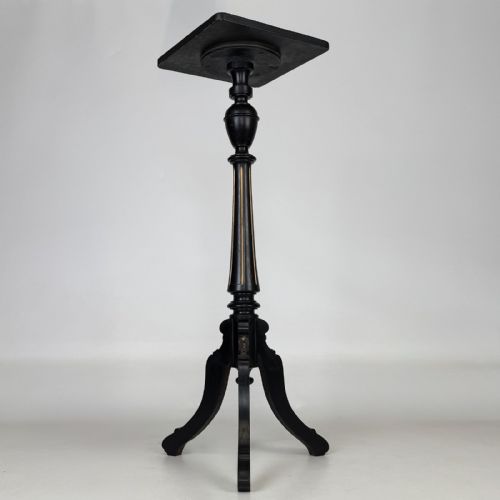
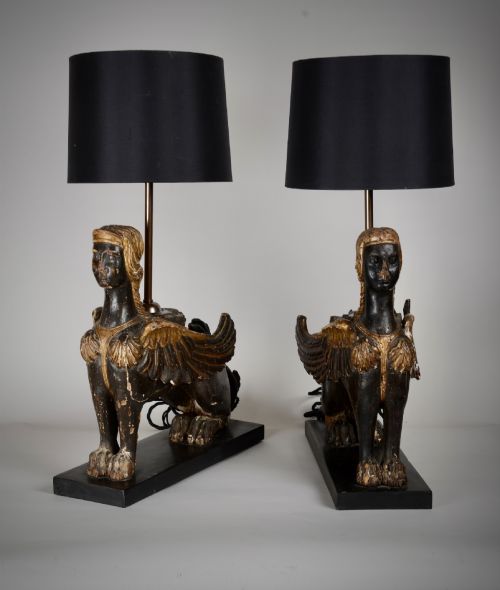
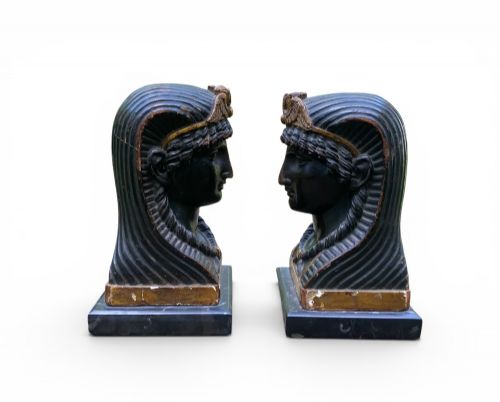
When you search for ebonised wooden sculptures, you encounter dark-finished carved works and sculptural stands dating from the eighteenth century to the early twentieth century. The selection ranges from carved mythological figures like sphinxes and goddesses to functional pedestals, torcheres, and lamp conversions.
You are most likely to meet nineteenth-century examples on this page, particularly Victorian pieces reflecting Neoclassical, Aesthetic Movement, and Renaissance Revival tastes. Many pieces combine ebonised wood with parcel gilt, brass, or carved ebony to create high-contrast decorative objects.
The forms span from grand Italian torchere stands and pedestals to small carved figures and advertising signs. Makers such as Gillow and Thomas Hope occasionally emerge among the English and continental works, showing the formal breadth of dark wood carving.
How they were made
Carvers shaped these pieces primarily from hardwood, mahogany, amboyna, and carved ebony, applying dark ebonising stains to imitate costly tropical timber. Artisans frequently added parcel gilt accents, brass fittings, and fabric elements to highlight specific architectural or figural details.
The decorative schemes rely on meticulous hand-carving, visible in neoclassical motifs, winged griffins, and classical figures. Surface finishes range from matte ebonised surfaces to polished highlights that accentuate the grain and carved depth.
Ebonised Wooden Sculptures Retail Price Guide 2026
Typical asking prices for ebonised wooden sculptures among the pieces listed under this phrase on Sellingantiques today, from the lower quarter to the upper quarter. They describe what is for sale here now, not the wider market.
The furniture forms span from eighteenth-century lamp conversions to early twentieth-century plinths.
What varies in quality
The distinction between ordinary and exceptional pieces rests on the crispness of the hand-carving and the depth of the ebonised finish. Superior items display refined anatomical detail in figures and precise joinery on architectural pedestals.
The integration of secondary materials, such as parcel gilding or contrasting amboyna veneers, separates standard utilitarian stands from exhibition-quality works associated with known cabinetmakers.
Thomas Hope·Gillow and Co
The Ebonised Wooden Sculptures Glossary
- Ebonised
- Wood treated with stain, dye, or polish to imitate the deep black appearance of ebony. This finish became particularly popular during the Victorian and Aesthetic Movement periods.
- Parcel Gilt
- Woodwork or metal decorated with partial gilding, where gold leaf is applied only to raised details or specific highlights. It creates a striking contrast against dark ebonised surfaces.
- Torchere
- A tall stand or pedestal originally designed to hold a torch or candle, later adapted for lamps and decorative figures. These tall supports often feature elaborate carved motifs.
- Grand Tour
- A cultural journey undertaken by wealthy young Europeans in the eighteenth and nineteenth centuries to collect classical art and antiquities. Figures of goddesses and mythical creatures often date to this context.
Ebonised Wooden Sculptures: Frequently Asked Questions
What periods do these sculptures cover?
The pieces span from the late eighteenth century through the Georgian and Victorian eras into the early twentieth century. This timeline includes Neoclassical, Regency, and Aesthetic Movement designs.
Most items originate from nineteenth-century English and continental workshops, reflecting classical revival styles and Grand Tour influences.
How were pedestals and torcheres used?
These tall stands served primarily to elevate lamps, urns, and sculptural figures in grand interiors. They provided both functional lighting support and architectural presence in reception rooms.
Many examples function as lamp conversions or display stands for classical figures, balancing utility with decorative display.
What is the difference between ebony and ebonised wood?
Genuine ebony is a dense, naturally dark tropical hardwood used directly for fine carvings and veneers. Ebonised wood is typically a domestic hardwood stained or painted black to achieve a similar dark aesthetic.
Both materials appear in these listings, with ebonising offering a practical alternative for large architectural pedestals.
How do I care for ebonised wooden sculptures?
Keep these pieces away from direct sunlight and sudden temperature changes to protect the ebonised finish and underlying timber. Gentle dusting with a dry cloth maintains the surface without stripping the polish.
Avoid liquid cleaners and wax buildup, which can dull parcel gilt highlights and delicate hand-carved details.