



Black White Wall Portrait
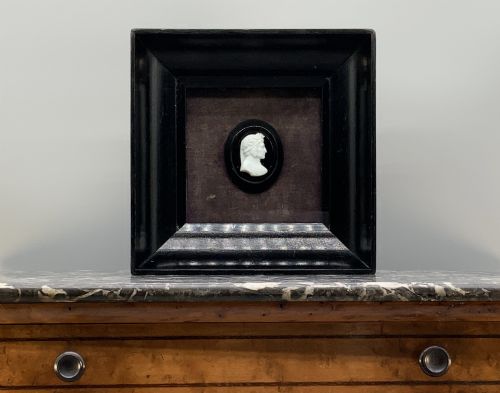
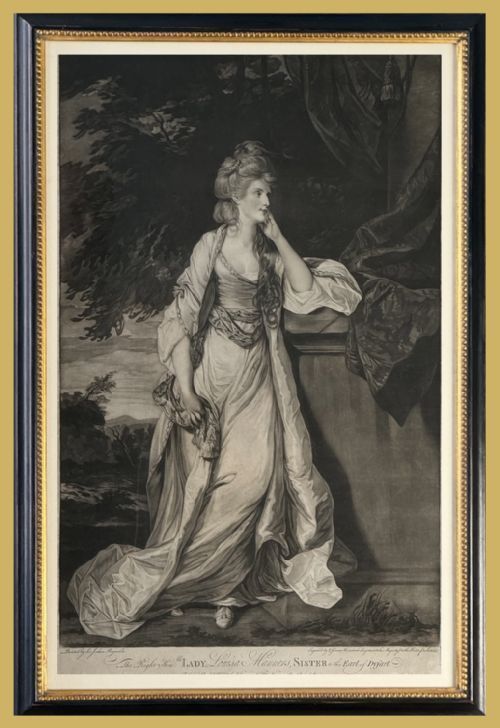
A black white wall portrait brings character to a room through monochrome depictions of sitters, spanning centuries of engraving, photography, and oil painting.
Black White Wall Portrait
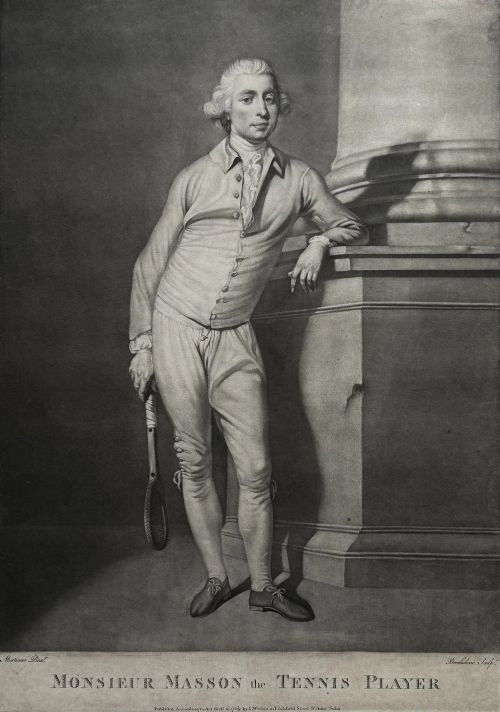
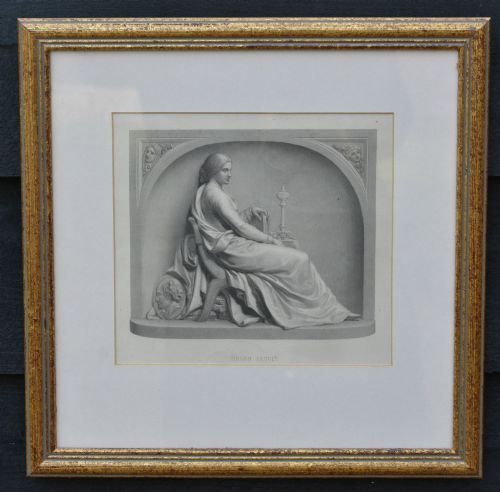
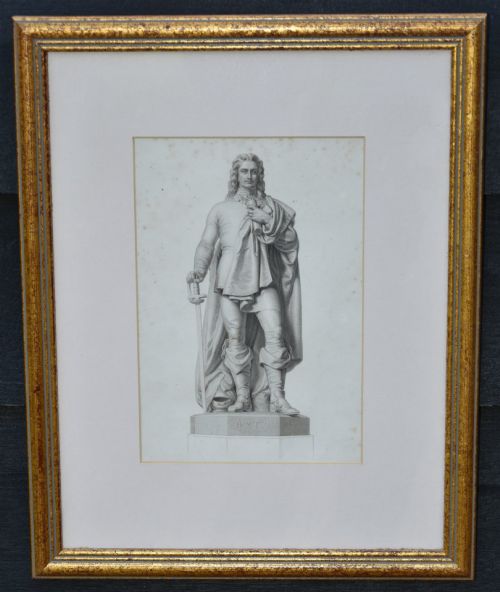
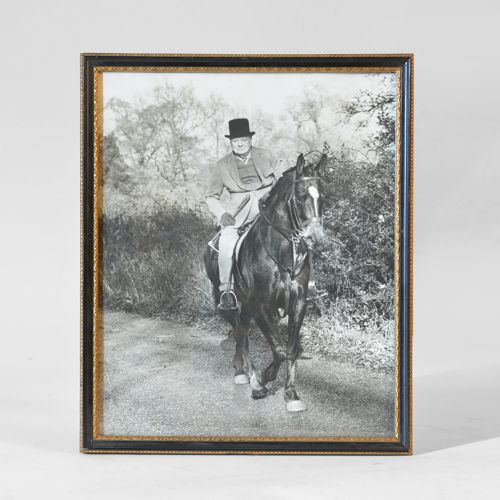
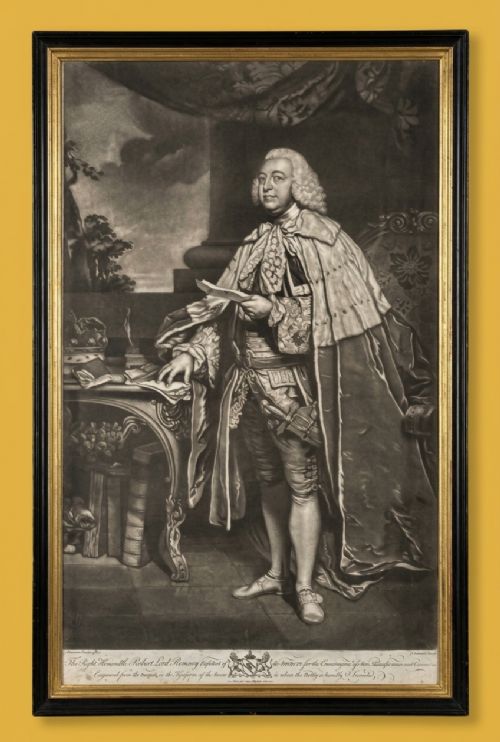
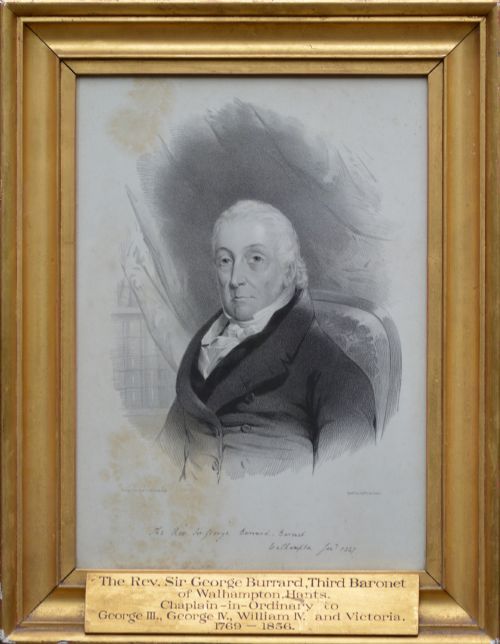
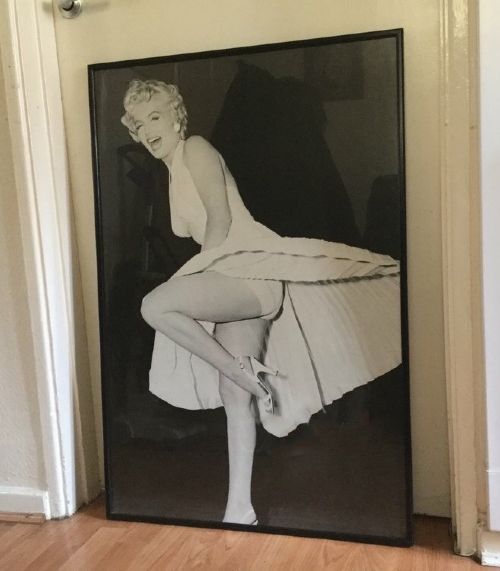
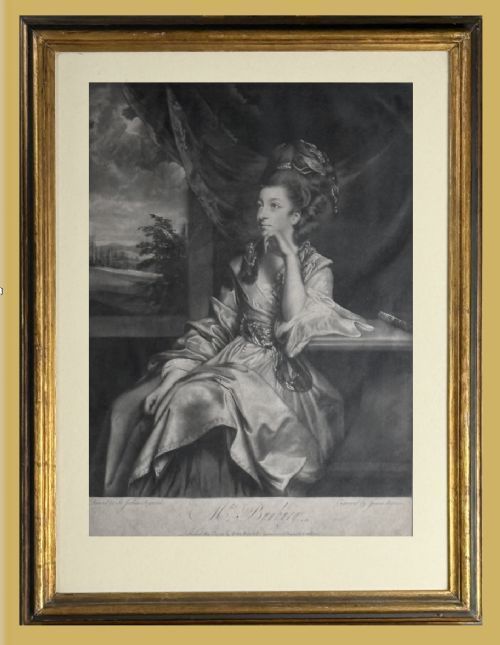
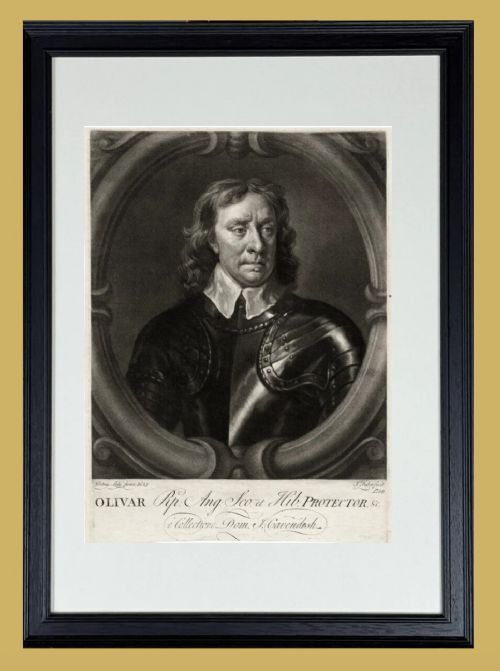
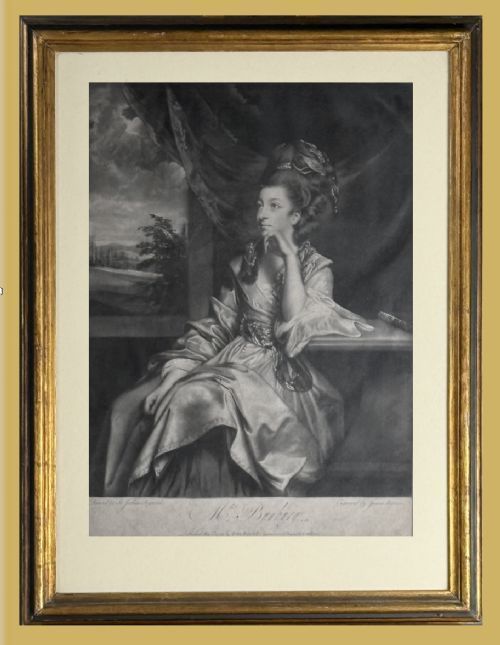
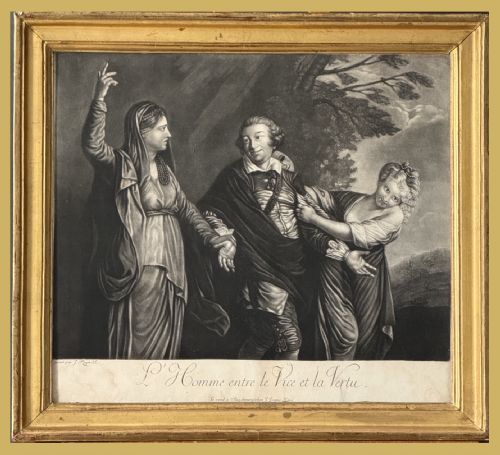
A black white wall portrait encompasses framed prints, mezzotints, engravings, etchings, photographs, and oil paintings that capture human and animal subjects in monochrome tones. These pieces range from seventeenth-century mezzotints and eighteenth-century engravings to nineteenth-century classical prints and mid-century photographic enlargements.
Buyers will encounter various formats on this page, including framed wall art depicting historical figures, actors, sitters from grand tours, and domestic animals like dogs. The mediums extend from paper and cardboard to glass frames, gilt wood, and gold leaf settings.
The historical scope reaches across the Georgian, Victorian, Edwardian, and Art Deco periods, offering diverse interpretations of portraiture in simple monochrome palettes. Each item serves as a window into the artistic and personal documentation of past eras.
Materials and methods
Makers utilised paper, card, and canvas as the primary grounds for ink, drypoint, etching, and oil painting. Mezzotints and engravings relied on metal plates worked by hand to achieve tonal gradation and fine lines.
Framing materials incorporate wood, gilt wood, and gold leaf, often protected beneath glass to preserve delicate paper works. Photographic examples utilise early twentieth-century processes mounted on board or framed for wall display.
Black White Wall Portrait Retail Price Guide 2026
Typical asking prices for black white wall portrait among the pieces listed under this phrase on Sellingantiques today, from the lower quarter to the upper quarter. They describe what is for sale here now, not the wider market.
Listings incorporate works from the seventeenth, eighteenth, nineteenth, and twentieth centuries, employing paper, ink, wood, and gold leaf.
Assessing quality
Quality rests in the crispness of the impression for prints and mezzotints, where early pulls from a plate yield deeper contrast and sharper detail than later printings. The nuance of ink application and the preservation of the paper ground dictate the visual strength of the image.
In painted and drawn works, the surety of the artist's hand and the depth of the composition separate standard decorative pieces from accomplished artistic records. The original framing, particularly period gilt wood or gold leaf surrounds, contributes to the integrity of the piece.
James Watson·John Smith·Joseph Sympson·Valentine Green·Richard Houston·Julian Mandel·Herbert Dicksee·Samuel John Carter
The Black White Wall Portrait Glossary
- Mezzotint
- A printmaking process where the copper plate is roughened uniformly to produce dark tones, then scraped and burnished to create light areas. This technique allows for rich tonal gradations well suited to portraiture.
- Drypoint
- An intaglio printmaking method where an image is scratched directly onto a metal plate with a hard steel needle. The resulting burr creates a velvety line when inked and printed.
- Engraving
- A method of cutting a design into a hard surface, traditionally a metal plate, using a burin. The incisions hold the ink to produce sharp, precise lines on paper.
- Etching
- A technique where acid is used to cut into the unprotected parts of a metal plate to create a design that is subsequently inked and printed. It affords artists freedom of line similar to sketching.
Black White Wall Portrait: Frequently Asked Questions
What defines a mezzotint portrait?
A mezzotint uses a roughened plate to achieve smooth tonal variations without relying on line work.
This method produces atmospheric shadows and highlights suited to capturing facial expressions and drapery.
How should I hang these portraits?
Keep monochrome artworks away from direct sunlight to protect paper and ink from fading over time.
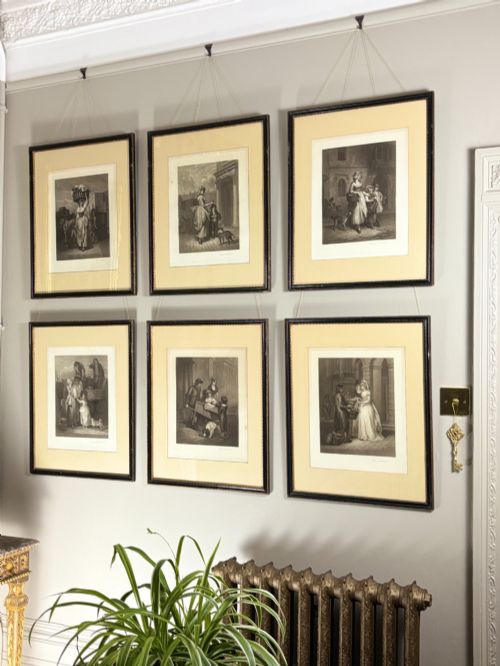
Pairing different centuries together creates an engaging gallery wall displaying various printmaking and photographic techniques.
What periods do these pieces span?
The selections cover multiple centuries, starting from the seventeenth century through the Georgian and Victorian eras.
Later works extend into the Edwardian, Art Deco, and mid-century periods, showcasing changing technologies in image making.
Are these works original prints?
Many listings feature period printings, engravings, and etchings pulled from historical plates during the artist's or publisher's era.
Photographs and oil paintings represent unique or limited vintage records from their respective decades.