


Black Oval Framed Painting
These black oval framed painting works combine dark timber and glass with centuries of portraiture, offering collectors an intimate piece of history.
Black Oval Framed Painting
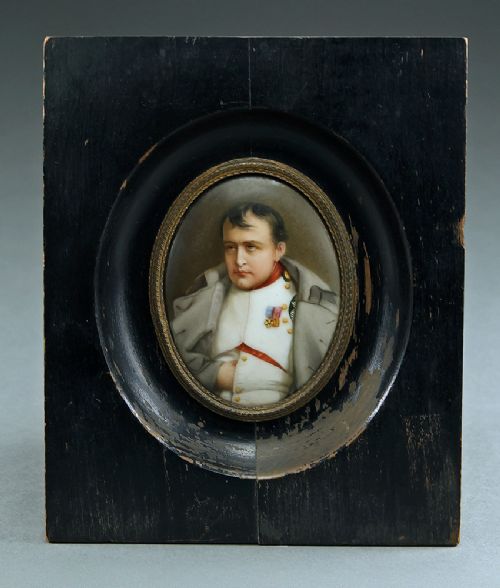
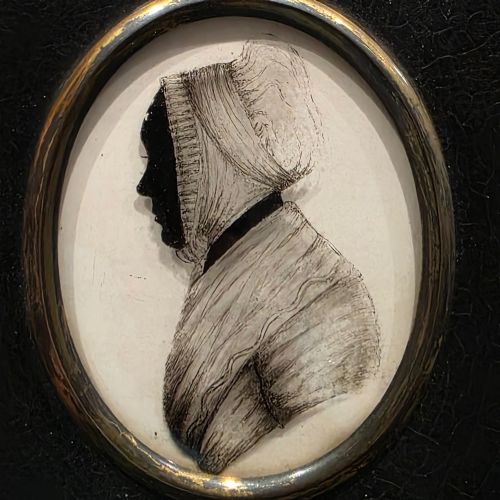
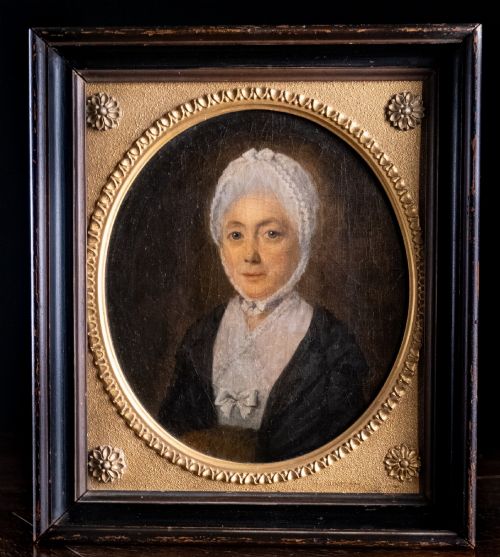
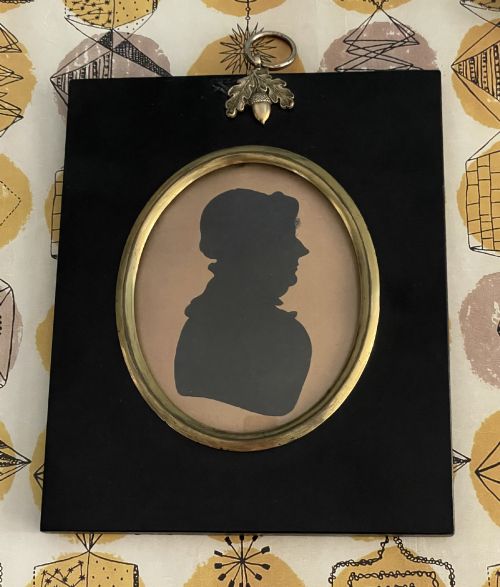
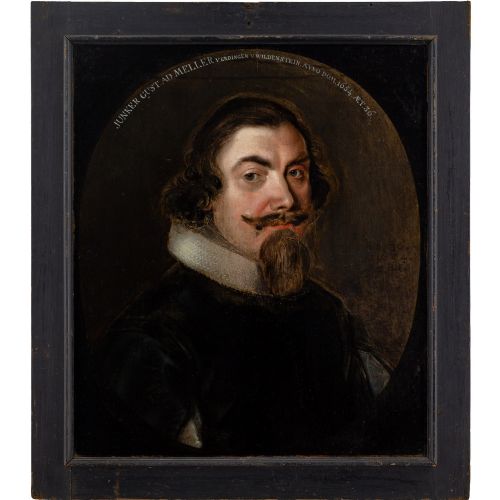
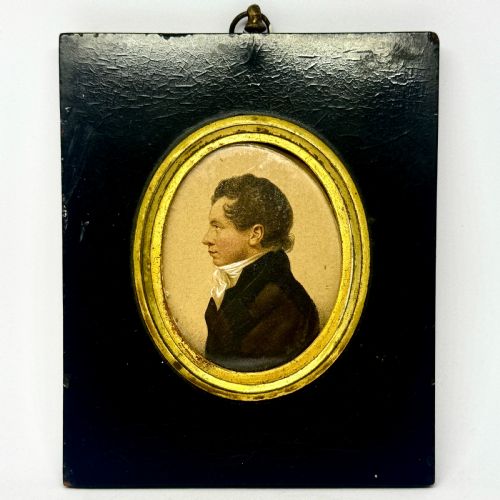
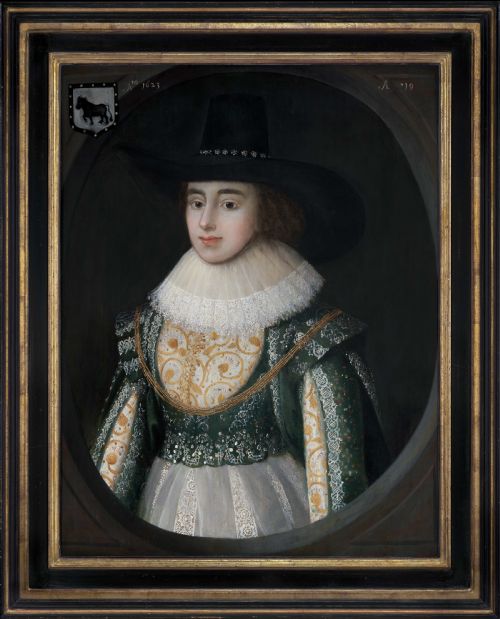
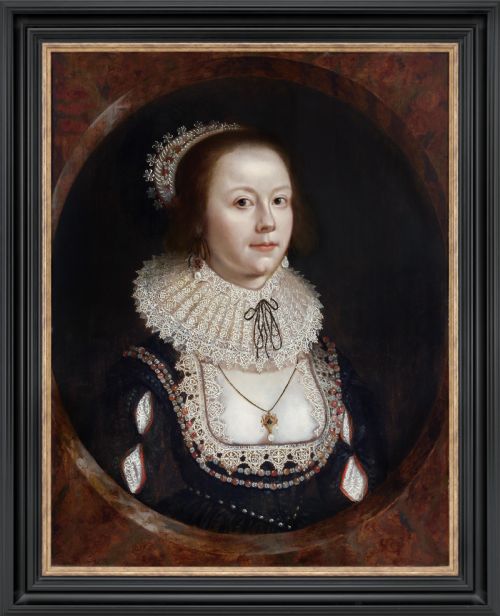
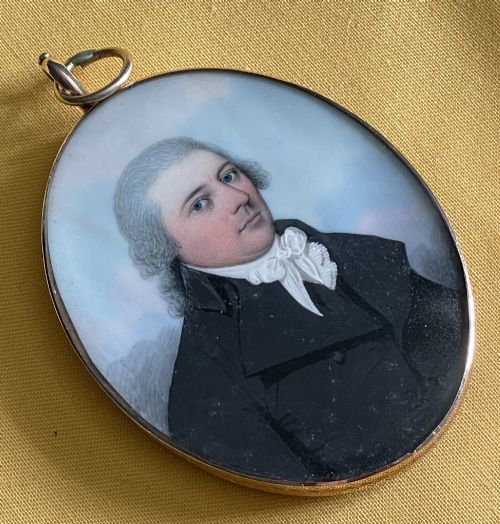
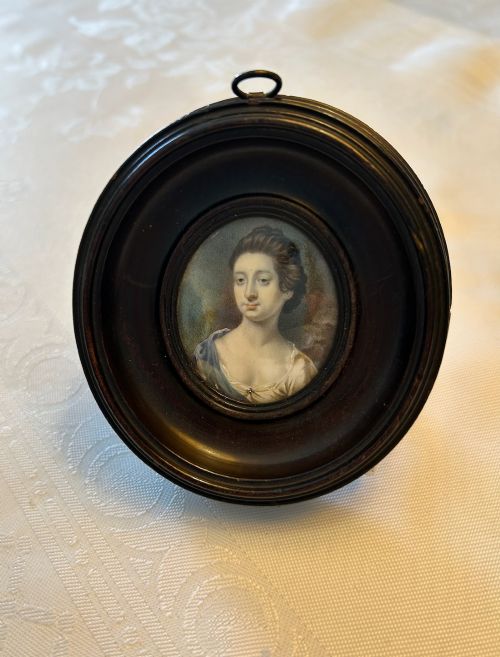
A black oval framed painting brings together small-scale portraiture and dark-toned surrounds, drawing the eye directly to the subject within. The pieces seen here span from the seventeenth century through to the twentieth century, encompassing oils, watercolours, and silhouettes.
Portrait miniatures and painted silhouettes dominate the selection, often housed in ebonised wood frames that emphasise the oval aperture. Collectors meet examples ranging from early Georgian profile studies to nineteenth-century works after notable artists.
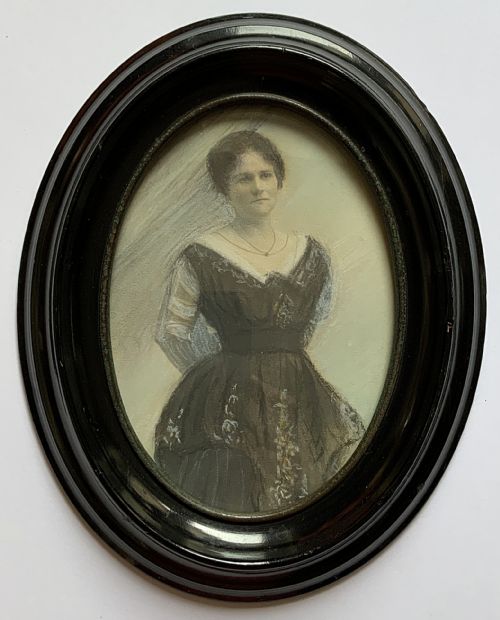
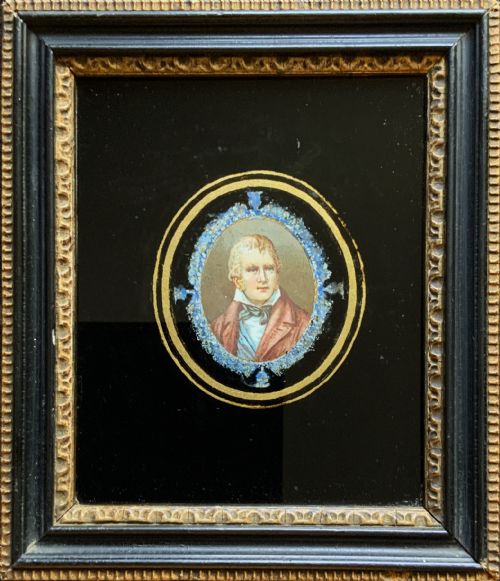
Oil paintings on panel and canvas sit alongside works on paper, glass, and plaster, demonstrating the diverse ways makers chose to present these small portraits. Each item relies on the stark contrast of the dark frame to structure the composition.
Materials and Techniques
Makers utilised oil, watercolour, and pastel pigments applied to panel, canvas, paper, and card, while some artists painted directly onto glass or plaster. Ebonised wood formed the primary choice for the dark surrounds, sometimes paired with brass mounts.
The construction of the frames required careful woodworking to achieve smooth curves and secure joints around the curved perimeters. Surface treatments on the wood involved staining or painting to create the characteristic deep black finish.
A travelling musician captured in watercolour shares space with historical bishops and children.
Gradations of Quality
Originality of framing and glazing plays a major part in evaluation, as period frames matched to the artwork preserve the integrity of the object. The clarity of the glass and the stability of the backing material further distinguish finer works.
Henry Bone ARA·James Gillespie·Frederick Buck·John Miers·John Smith of Edinburgh
The Black Oval Framed Painting Glossary
- Ebonised wood
- Timber treated to resemble ebony, providing the deep black finish seen on many period frames.
- Silhouette
- A solid dark profile portrait, often painted on glass, plaster, or paper during the eighteenth and nineteenth centuries.
- Portrait miniature
- A small, highly detailed painting executed on a delicate surface such as ivory, card, or vellum.
- Reverse painting
- A technique where the artist paints on the back of a piece of glass so the image is viewed through the front.
Black Oval Framed Painting: Frequently Asked Questions
How were these framed paintings displayed?
These small works hung in intimate rooms or private studies where viewers could examine the fine detail up close. Many were designed to be portable or grouped on panelled walls alongside larger family portraits.
Over time, owners arranged them in clusters to create striking wall displays that highlighted the uniformity of the dark frames.
What materials make up the dark frames?
Makers typically used native timbers treated with dark stains or black paint to achieve an ebonised appearance that imitated costly exotic hardwoods. Brass fittings and hanging loops frequently accompanied these surrounds to secure the glass and backing.
In later periods, lacquered finishes and moulded compositions appeared, providing a similar dark aesthetic with less weight.
How do I date a silhouette?
Early examples often feature painted details on plaster or glass with handwritten artist labels on the reverse, particularly those from the late eighteenth century. The clothing style and coiffure of the sitter provide the most reliable clues for narrowing down the decade.
Later nineteenth-century versions tended to utilise printed cards or simpler stamped brass frames rather than bespoke turned wood.
Are these works painted on ivory?
Some miniature portraits from the Georgian and Regency periods utilise thin slices of ivory as a drawing surface to impart a luminous quality to the skin tones. Artists valued this material for how it reflected light through translucent watercolours.
Other pieces rely on paper, card, panel, or canvas depending on the school and the specific technique employed by the painter.