


Miniature Watercolour Picture
These small works of art known as a miniature watercolour picture capture likenesses and scenes on paper within delicate frames.
Miniature Watercolour Picture
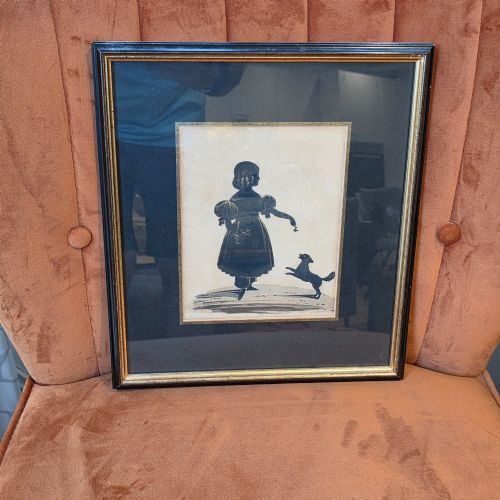
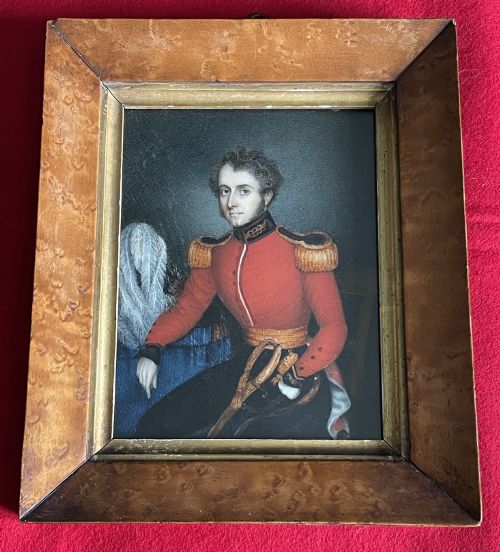
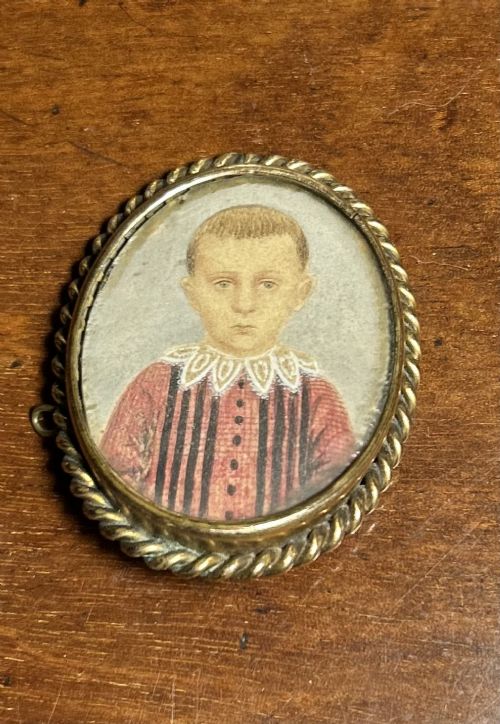
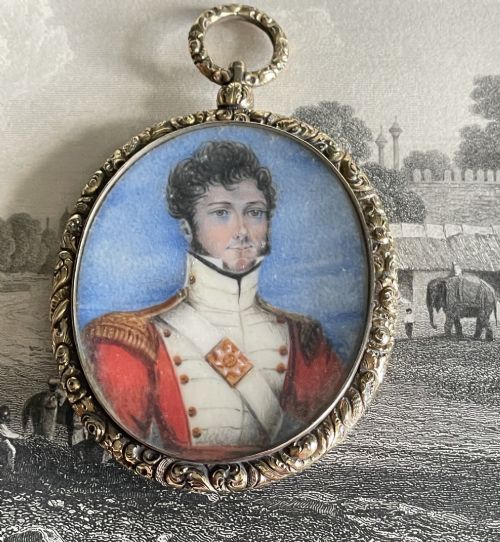
A miniature watercolour picture sits on paper, card or cut paper, often preserved beneath glass in frames or mounted into brooches. You will encounter portraits of officers, ladies and children alongside mythological and landscape scenes.
Most examples date from the eighteenth and nineteenth centuries, spanning the Georgian, Regency and Victorian periods. These pieces range from intimate oval formats to framed works and wearable portrait miniatures.
Makers recorded in these works include named artists such as William James Hubard, Charles Hayter, Frederick Buck, George Hargreaves, Thomas Woolnoth, Isaac Wane Slater, Lady Francis Herbert, Richard Cosway and Alexander Melville.
How they were made
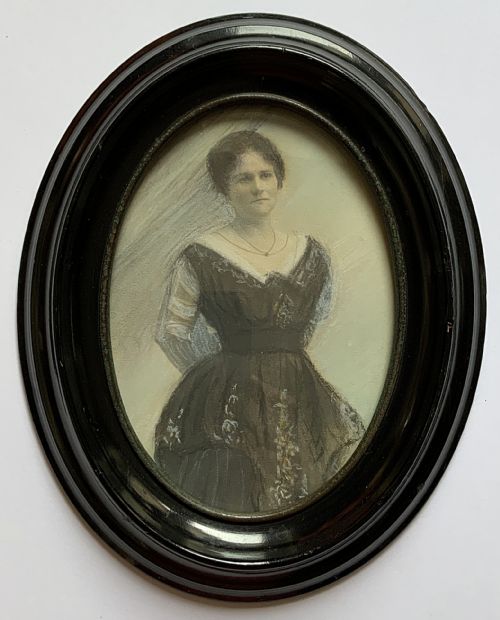
Finished watercolours were protected behind glass and set into gilt metal, gilt wood, ebonised wood or standard wooden frames. Some portraits were integrated directly into wearable metal brooches or displayed on small gilt metal stands.
Current listings feature pieces from the 18th century, 19th century, Regency, Georgian, Victorian and Art Deco periods, created in watercolour, ink, glass, paper and gilt metal.
What varies in quality
Quality rests upon the precision of the brushwork and the accuracy of the facial proportions in portraiture. Stronger examples display finer control of pigment and more lifelike expressions in the subject.
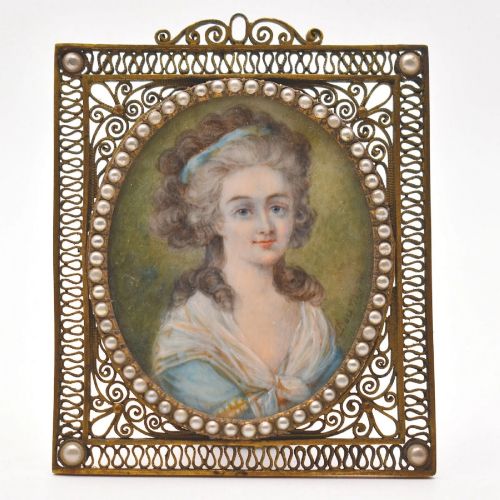
The choice of housing influences the character of the piece, from simple wooden surrounds to elaborate gilt metal frames, seed pearl accents and specialised desk stands.
William James Hubard·Charles Hayter·Frederick Buck·George Hargreaves·Thomas Woolnoth·Isaac Wane Slater·Richard Cosway·Alexander Melville
The Miniature Watercolour Picture Glossary
- Portrait Miniature
- A small painting depicting a person, executed on a scale requiring close inspection. These works were often kept in cases or worn as personal jewellery.
- Ebonised Wood
- Timber treated to resemble dark ebony wood. This finish provides a stark, contrasting border for delicate paper watercolours.
- Gilt Metal
- Metal coated with a thin layer of gold or gold-coloured alloy. It frequently frames miniatures and forms decorative stands.
- Seed Pearl
- Very small natural pearls often stitched or set into jewellery and frames. They add ornate detail to eighteenth-century and nineteenth-century pieces.
- Silhouette
- A solid dark image of a subject's profile, sometimes enhanced with cut paper and watercolour details.
Miniature Watercolour Picture: Frequently Asked Questions
How were miniature watercolour pictures displayed?
These small artworks were hung on walls in small wooden or gilded frames, placed on desks using metal stands, or worn upon clothing as brooches.
Their intimate scale allowed owners to carry likenesses of family members or keep them in private rooms.
What periods do these miniatures come from?
The available selection spans the eighteenth and nineteenth centuries, including Georgian, Regency, Victorian, William IV and Art Deco eras.
Dates range from the eighteenth century through to the early twentieth century, reflecting shifting tastes in portraiture.
What materials are used in these works?
Artists used watercolour, ink, pastel and cut paper mounted on paper or card surfaces. Protective glass covers the delicate pigments.
Frames incorporate gilt metal, gilt wood, plain wood and ebonised wood, occasionally featuring seed pearls.
Are all miniature watercolours portraits?
While the majority depict specific individuals such as officers, ladies and children, some pieces portray mythological scenes, animals or woodland musicians after earlier oil paintings.
Subjects range from direct life sittings to copies of famous works housed in public galleries.