


Black Mount Print
These black mount antique print examples span centuries of graphic arts, offering framed works on paper ready for display.
Black Mount Print
A black mount antique print encompasses framed works on paper, including engravings, mezzotints, lithographs, etchings, and original watercolours. When looking for a black mount antique print, buyers encounter pieces framed in wood, oak, glass, and gilt mounts.
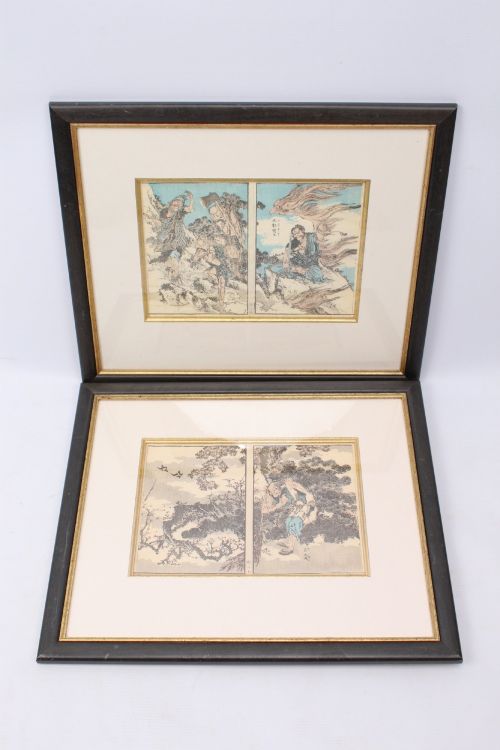
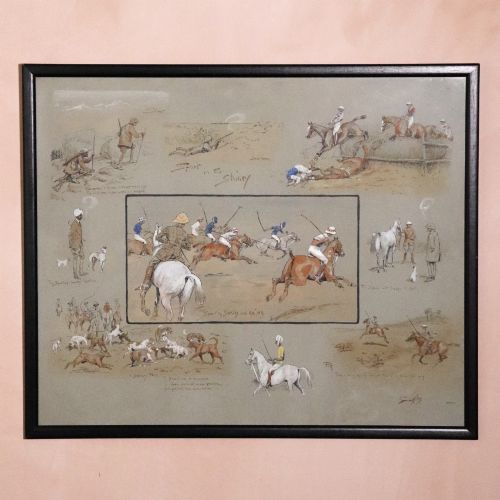
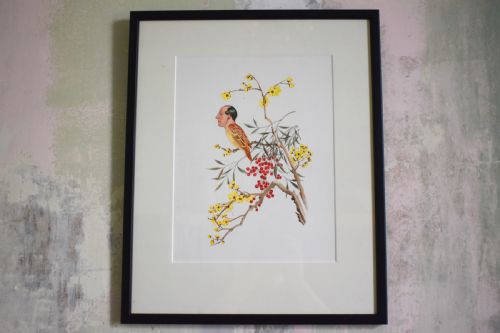
The selections range across Georgian, Regency, Edwardian, and Art Deco periods, alongside earlier eras. Subjects span Japanese woodblock prints, botanical watercolours, caricatures, topographical views, and sporting scenes by notable historical artists.
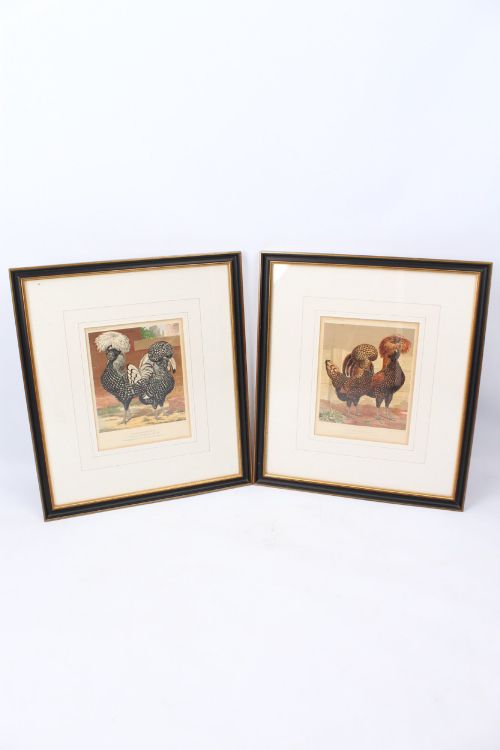
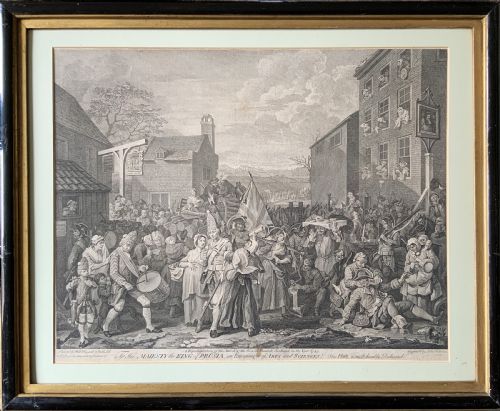
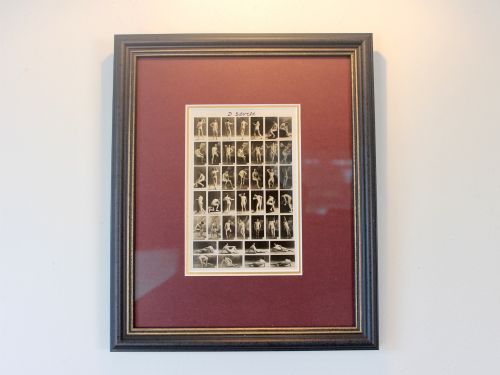
Framing variants frequently feature ebonised surrounds with deep giltwood mounts, setting off monochrome or hand-coloured plates. These works function as wall art, offering historical depth and decorative presence for domestic interiors.
Materials and construction
The physical basis of these items relies upon paper supports bearing printed, engraved, or hand-painted ink and watercolour media. Makers applied these techniques to produce fine lines and tonal gradations visible in mezzotints, etchings, and lithographs.
Framing assemblies utilise timber such as oak and general wood, frequently finished with gilt leaf, gold leaf, or ebonisation. Glazing with glass protects the paper surface, whilst specialised mounts structure the internal presentation.
Listings feature works spanning from the eighteenth century through the Art Deco era, utilising wood, glass, and watercolour.
Assessing quality in historical works
Excellence resides in the clarity of the impression and the preservation of the paper support. Sharp ink transfer and intact hand-colouring distinguish superior plates from worn examples.
The integrity of the surrounding frame and mount contributes significantly to the overall merit. Original ebonised surrounds and deep giltwood mounts that complement the period of the artwork hold greater visual cohesion.
William Hogarth·Luke Sullivan·Robert Sayer·Henry William Banbury·Louis Wain·Julian Mandel·Joaquim Terruella Matilla
The Black Mount Print Glossary
- Mezzotint
- A printmaking process where the copper plate is roughened to achieve rich tonal darks. This technique allows for subtle graduations of light and shade.
- Engraving
- A method of cutting design lines directly into a metal plate with a sharp tool. The resulting impressions display crisp line work.
- Lithography
- A planographic printing process based on the repulsion of oil and water. It became widely utilised for illustrative prints in the nineteenth century.
- Etching
- A technique where acid bites lines into a metal plate covered with an acid-resistant ground. Artists employ this process to achieve fine, fluid marks.
- Giltwood
- Wood carved and coated with a thin layer of gold leaf or metallic paint. This finish provides reflective decorative borders on frames and mounts.
Black Mount Print: Frequently Asked Questions
How should I hang these framed prints?
Position them away from direct sunlight to protect the paper and watercolour pigments from fading over time. Ensure the wall fixings match the weight of the timber frames and glass.
Keep them in stable room conditions to prevent moisture damage to the antique paper supports and wooden mounts.
Are these works original period pieces?
The inventory comprises works originating from specific historical periods including the eighteenth century, Georgian, Regency, and early twentieth century. Each listing indicates the era of production.
Physical inspection of the paper, printing ink, and framing materials helps confirm the age of the item.
What subjects are available in this category?
The subjects range widely across historical categories, including botanical studies, waterfowl, topographical views, architectural interiors, and sporting scenes. You will also find Japanese woodblock prints and figurative works.
This diversity allows collectors to select pieces matching specific decorative themes or historical interests.
How do I care for antique paper art?
Maintain a consistent indoor temperature and humidity level to preserve the integrity of the paper and the surrounding wooden frame. Avoid using liquid cleaners on the glass directly near the edges where moisture could seep inside.
Consult a professional conservator if the paper shows signs of foxing or structural deterioration.