




Georgian Coloured Engraving
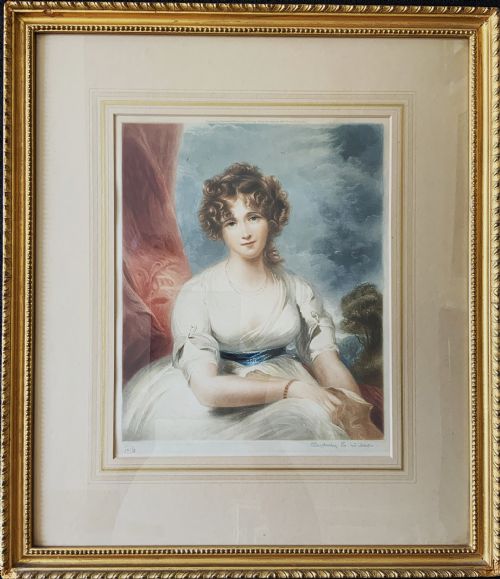
A georgian coloured engraving brings domestic interiors of the eighteenth and nineteenth centuries alive through delicate hand-applied watercolour and rich inked lines.
Georgian Coloured Engraving
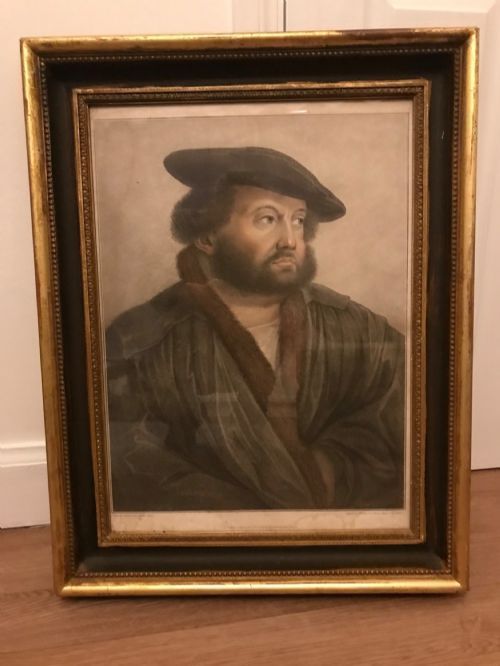
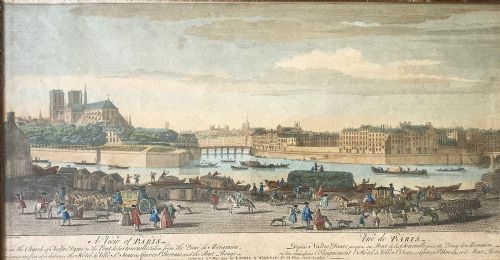
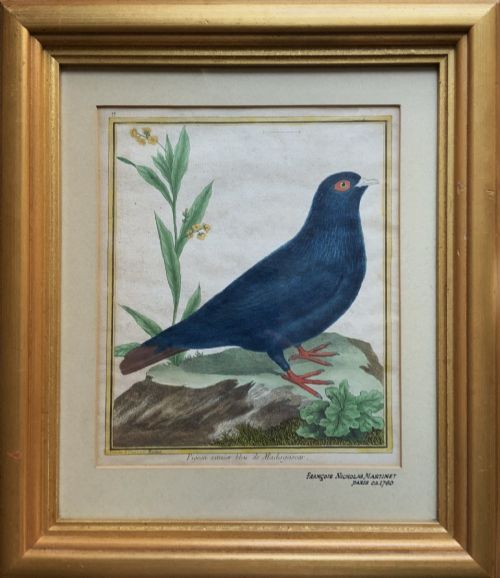
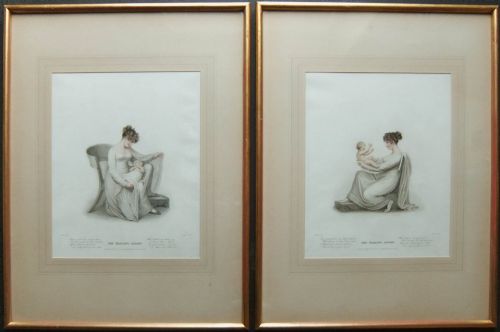
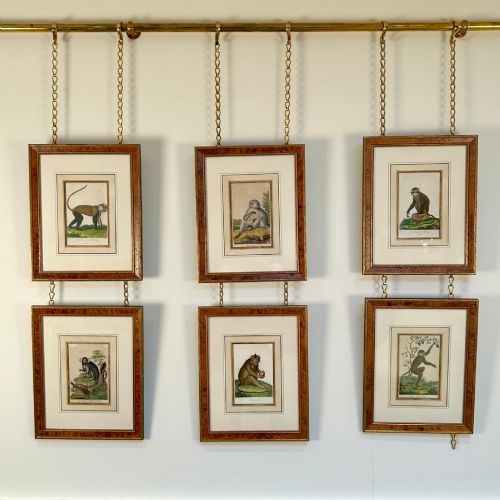
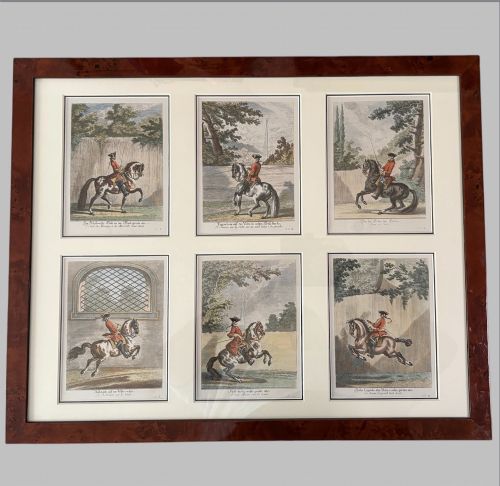
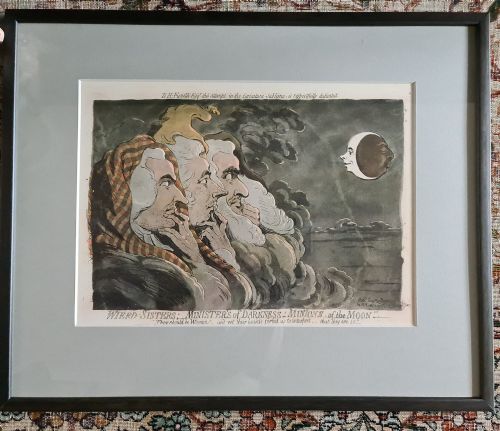
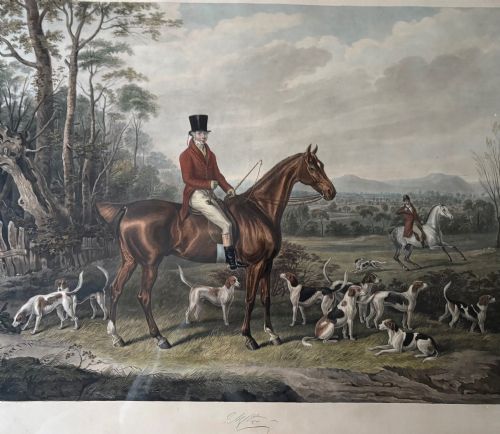
When searching for a georgian coloured engraving, a buyer encounters paper and glass works originating primarily in the eighteenth and nineteenth centuries. These pieces encompass framed portraits, topographical views, cartography, and natural history subjects such as birds and serpents.
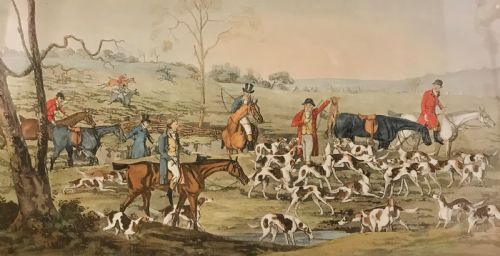
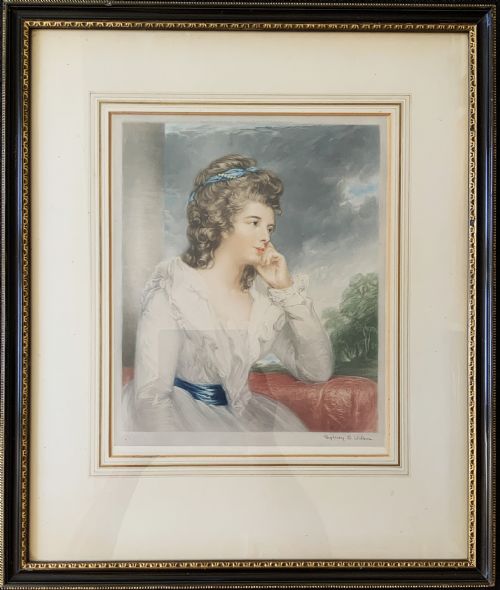
The versions met most frequently on this page include hand-coloured copperplate prints and stipple engravings presented in period frames, often utilising Hogarth moulding. Subjects range from theatrical pairs to detailed county maps and satirical scenes.
Collectors find that these works serve as direct historical documents of the period's aesthetic interests. The integration of ink and watercolour produces a visual record that reflects both artistic technique and contemporary documentation.
Materials and production methods
Production relies upon paper sheets receiving impressions from inked copper plates, followed by the careful application of watercolour by hand. Artisans utilised stipple and mezzotint techniques to achieve tonal depth and varied textures across the printed surface.
Framing materials typically involve wood and giltwood, with glass protecting the fragile paper or reverse glass compositions beneath. The combination of black ink, watercolour, and occasionally gold leaf creates the characteristic layered appearance of the era.
Listings feature paper, glass, and giltwood materials across the Georgian, Regency, and Victorian periods.
Distinctions in quality
Quality rests significantly upon the precision of the initial engraving and the subtlety of the subsequent hand-colouring. Strong impressions from copper plates display crisp lines, whereas worn plates yield blurred details that diminish the overall impact.
The preservation of the paper substrate and the vibrancy of the original watercolour pigments also dictate the standing of a piece. Examples retaining their contemporary framing and undamaged surfaces command greater attention from discerning collectors.
Francesco Bartolozzi·François-Nicolas Martinet·George Edwards·Robert Morden·John Cary
The Georgian Coloured Engraving Glossary
- Stipple engraving
- A printmaking technique using dots to create tonal gradations and soft forms. This method was widely favored for portraits during the eighteenth century.
- Mezzotint
- A printmaking process where the copper plate is roughened to achieve rich dark tones and smooth transitions. It allows for subtle rendering of light and shade.
- Aquatint
- An etching method that produces areas of tone resembling watercolour washes. It frequently appears on topographical prints and maps from the period.
- Reverse glass mezzotint
- An uncommon technique where the image is painted or printed directly onto the reverse side of glass. The finished work is viewed through the transparent pane.
- Hogarth frame
- A style of narrow, dark wooden picture frame with a distinct profile, popular during the eighteenth and nineteenth centuries. These frames often accompany period prints.
Georgian Coloured Engraving: Frequently Asked Questions
How are these engravings coloured?
Craftsmen applied watercolour by hand directly onto the printed paper impression using fine brushes. This meticulous process brought life to botanical, zoological, and portrait subjects.
The pigment sat upon the ink lines laid down by the copper plate, creating a durable and vibrant finished artwork intended for domestic display.
Where were these prints displayed?
Original owners hung these framed works in parlours, libraries, and studies across British homes. They served both an educational purpose and a decorative function.
Maps and natural history studies offered intellectual stimulation, while portraits and theatrical scenes provided fashionable interior adornment.
How do I identify the period?
Dating relies on the paper stock, printing technique, and stylistic markers inherent to the eighteenth and nineteenth centuries. Typography on maps and plates also offers clues to the era of production.
Period frames, such as those moulded in wood, often correspond to the date of the engraving itself.
Are these works original?
Listings comprise authentic period pieces produced during the eighteenth and nineteenth centuries rather than modern reproductions. Each item bears the physical characteristics of early printing methods.
Examination of the paper and ink under magnification confirms the historical origin of the impression.