
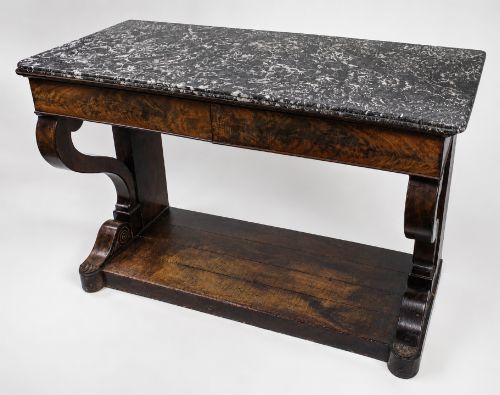


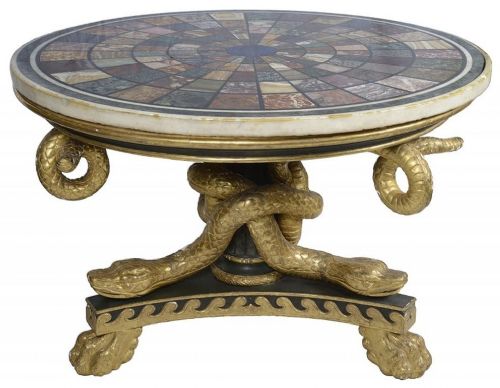


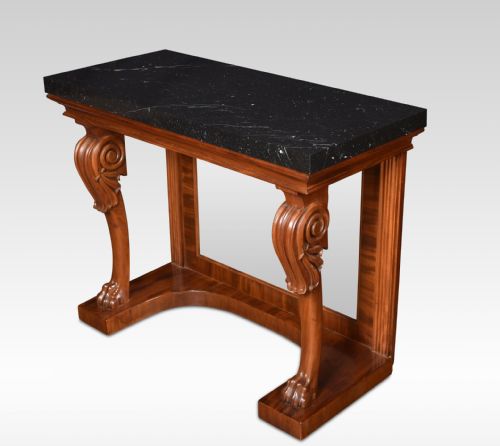


Black Marble Hall Table
A black marble hall table anchors a hallway with weight and presence, bringing cool stone surfaces and architectural lines straight to your entrance.
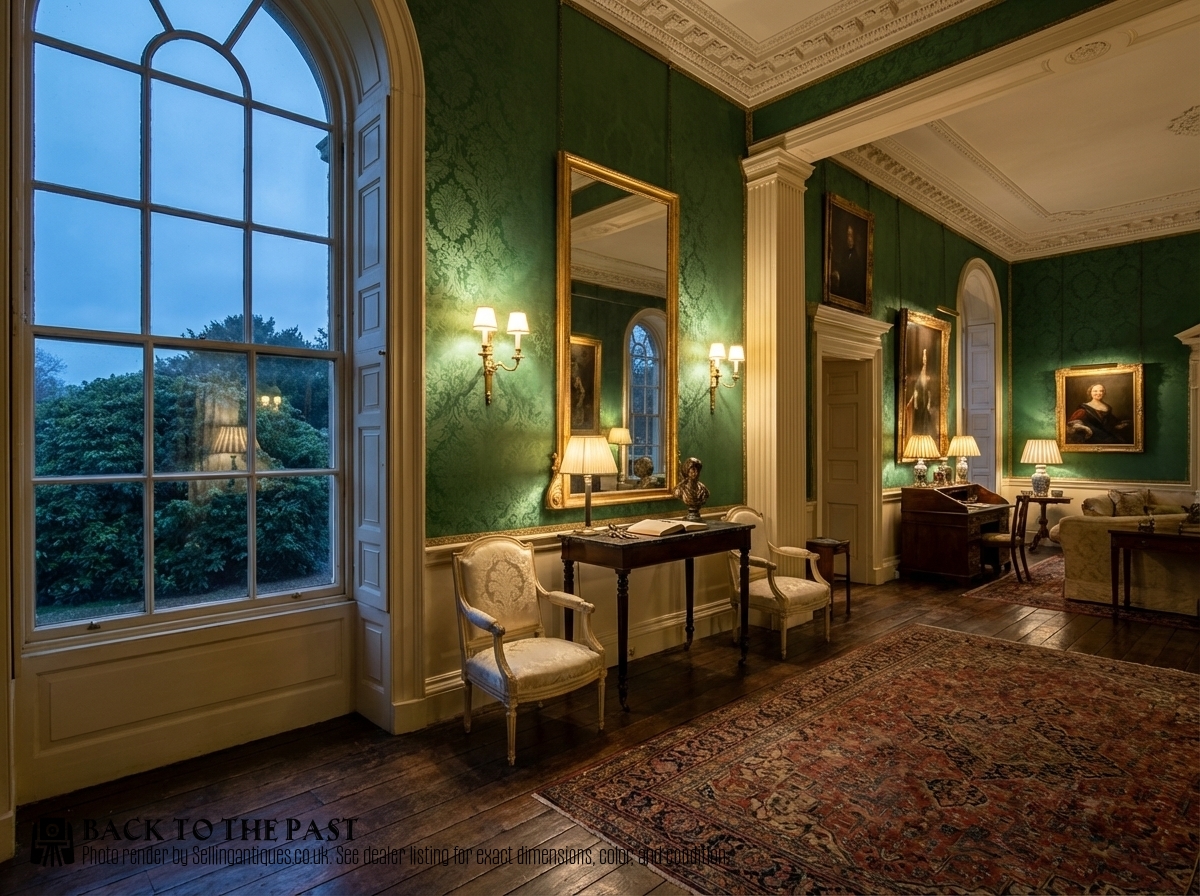
Black Marble Hall Table
A black marble hall table stands as a striking focal point in an entryway, combining heavy stone tops with sturdy wooden or iron frames. When seeking a black marble hall table, buyers encounter console tables, centre tables, and side tables that originate primarily from the nineteenth century and the Regency period.
Originating across Europe, including France, Britain, Sweden, and the Netherlands, these tables reflect diverse regional cabinet-making traditions. The combination of dark stone and polished timber creates an enduring aesthetic suitable for both traditional and contemporary interiors.
What varies in quality
The distinction between standard examples and superior pieces rests upon the selection of timber and the quality of the marble top. Finely figured flame mahogany, intricate satinwood veneers, and complex specimen marble arrangements indicate higher levels of craftsmanship and material cost.
Execution of decorative details, such as carved wood, gilt work, and bronze or brass mounts, dictates the overall refinement of the table. Original stone surfaces and stable, well-joined frames hold greater interest for collectors than heavily restored or altered examples.
Listings feature periods spanning the eighteenth to the twentieth centuries, with the nineteenth century and the Regency era most heavily represented.
The Black Marble Hall Table Glossary
- Console table
- A table designed to be fixed against a wall, often supported by front legs or brackets while relying on the wall for balance. These pieces suit narrow corridors and formal reception rooms.
- Centre table
- A freestanding table intended to stand in the middle of a room rather than against a wall. They frequently feature circular or multi-sided marble tops supported by a central pillar or multiple legs.
- Ebonised wood
- Timber treated with stain, dye, or polish to imitate the dark, dense appearance of ebony. This finish became particularly popular during the nineteenth century for formal furniture.
- Specimen marble
- A decorative surface composed of various types and colours of marble cut and fitted together in geometric or pictorial patterns. Such tops require exceptional skill from stone-masons.
- Gueridon
- A small French table, typically round and supported by a single central column or tripod base. They often feature marble tops and serve decorative or functional roles in sitting rooms and halls.
Black Marble Hall Table: Frequently Asked Questions
Will a marble top table fit in a narrow hallway?
Console tables are specifically designed with shallow depths to sit flush against walls in restricted spaces like hallways and corridors.
Measuring the available clearance between the wall and any opposing doors ensures the table permits comfortable passage.
How do I care for a black marble hall table?
Marble requires gentle cleaning with a damp cloth and neutral soap, avoiding acidic cleaning products that can etch the polished stone surface.
Using coasters and protective mats prevents scratches and water marks from everyday items placed on top.
Are these tables sturdy enough for daily use?
Nineteenth-century console and centre tables utilise robust wooden frames and heavy stone slabs that provide inherent stability.
Placing them on level flooring and avoiding excessive weight on the outer edges maintains their structural integrity over time.