

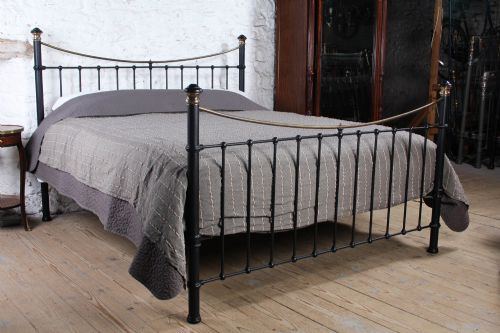


Black Iron King Bed
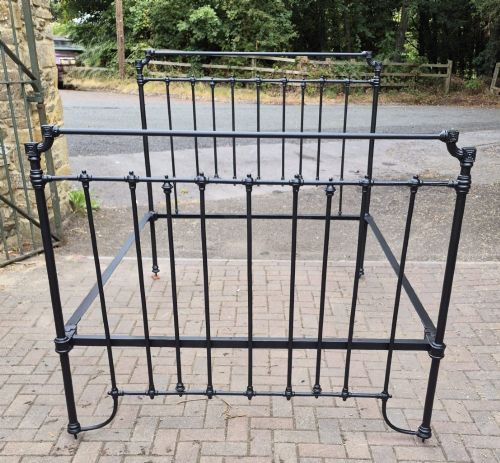
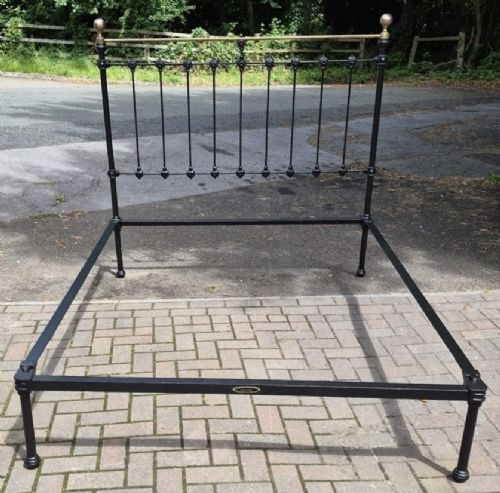
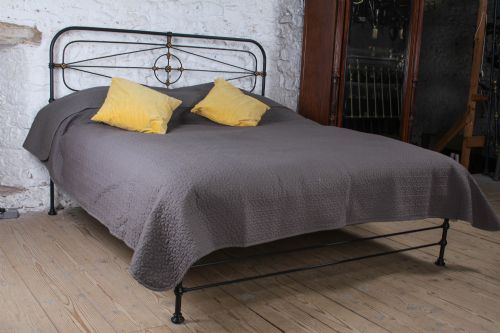
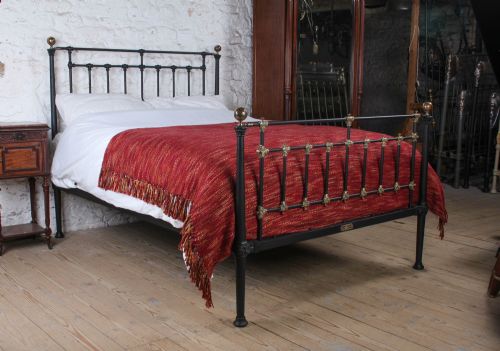
A black iron king bed delivers robust sleeping architecture with dark metallic presence, combining sturdy structural framing with period decorative detail.
Black Iron King Bed
A black iron king bed represents a substantial sleeping framework designed for larger mattress sizes, incorporating dark-finished metallic components spanning the nineteenth and early twentieth centuries. These large frames emerge primarily from Victorian, Edwardian, and turn-of-the-century periods, capturing styles from plain industrial utilitarian forms to decorative French and Italian designs.
The pieces on this page appear as complete bedsteads, bed frames, and half testers, frequently combining dark metallic finishes with contrasting brass elements like finials and spindle bars. Buyers encounter straightforward low end or no end configurations alongside arched, dip rail, and four poster formats originating from British, Irish, and continental workshops.
How they were made
Makers constructed these frames using heavy cast iron and wrought iron for structural integrity, often incorporating sheet metal panels and supplementary brass components. Surfaces received dark protective or decorative finishes, including traditional japanned lacquer and specialised paint applications such as blackbird egg effects.
Assembly methods relied upon sturdy metal joints and heavy screw fastenings to support large king dimensions, occasionally integrating decorative elements like gilding, mother of pearl inlay, and tapered posts to soften the industrial material.
Black Iron King Bed Retail Price Guide 2026
Typical asking prices for black iron king bed among the pieces listed under this phrase on Sellingantiques today, from the lower quarter to the upper quarter. They describe what is for sale here now, not the wider market.
Materials recorded across the archive include cast iron, wrought iron, brass, sheet metal, and japanned lacquer.
What varies in quality
Quality separates ordinary utilitarian sleeping frames from exceptional examples through the sophistication of the metalwork, the presence of registered maker marks, and the integrity of the surface finish. Superior examples display refined casting details, harmonious proportions in large dimensions, and original applied treatments rather than later repainting.
The integration of secondary materials dictates overall refinement, where polished brass finials, spindles, or mother of pearl details elevate the standard iron framework. Structural robustness combined with decorative restraint marks the upper tier of surviving large-scale bedsteads.
Winfield·Maple & Co.
The Black Iron King Bed Glossary
- Japanned lacquer
- A European imitation of East Asian lacquerwork used to create a durable, glossy dark finish on metal furniture. This technique provided a tough protective coating while enhancing the formal appearance of the ironwork.
- Dip rail
- A horizontal headboard rail that curves downward in the centre. This configuration was common in Edwardian and late Victorian designs to accommodate decorative pillows.
- Half tester
- A bed frame featuring a short canopy projecting from the wall or headboard over the upper portion of the bed. It provides the visual weight of a full tester without enclosing the entire structure.
- Tole ware
- Painted and lacquered sheet metal items originating from continental traditions. These components introduce decorative curvature and surface colour to the metallic frame.
- Finial
- A decorative terminal ornament placed at the top of bedposts. Brass finials commonly accent the corners of nineteenth-century iron bedsteads.
Black Iron King Bed: Frequently Asked Questions
Will a standard king mattress fit these antique beds?
These historical frames were built to nineteenth-century dimensions, which can vary slightly from modern standard king sizes. Buyers should verify exact internal length and width measurements before purchasing a contemporary mattress.
Adjustments to slats or the addition of a modern supportive base within the antique frame often resolve minor discrepancies while preserving the historic exterior structure.
How do I assemble an antique iron bed frame?
Antique iron and brass bedsteads typically utilise wedge locks or tapered slot joints at the four corners connecting the side rails to the headboard and footboard. These mechanical joints require no permanent fixings and tighten securely under mattress weight.
Careful alignment of the heavy metal components during assembly prevents damage to original painted surfaces and historical finishes.
How do I distinguish Victorian from Edwardian iron beds?
Victorian examples frequently display heavier proportions, elaborate castings, and pronounced brass ornamentation including detailed finials and complex spindle arrangements. Art Nouveau influences also appear in later Victorian periods with organic curving lines.
Edwardian pieces generally favour lighter structural lines, simpler dip rail headboards, and restrained decorative elements reflecting a shift toward domestic simplicity at the turn of the twentieth century.
What is a no end bed frame?
A no end configuration refers to a bedstead possessing a tall headboard but lacking a traditional high footboard. This open design creates a sense of space in smaller bedrooms and accommodates taller sleepers comfortably.
These frames maintain structural rigidity through robust side rails and heavy corner fixings despite the absence of a stabilizing foot end.