
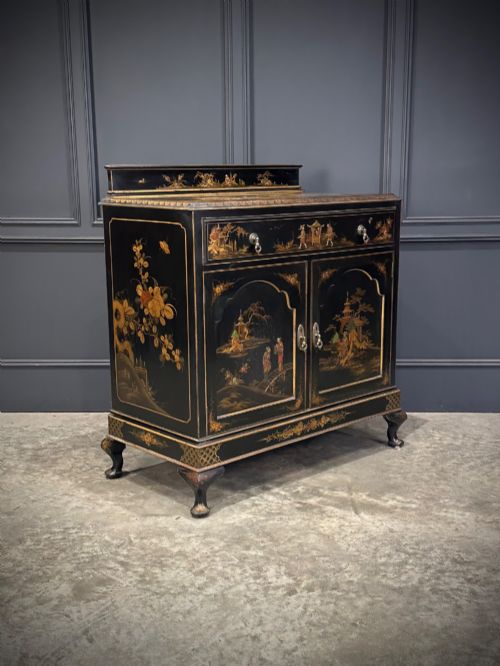
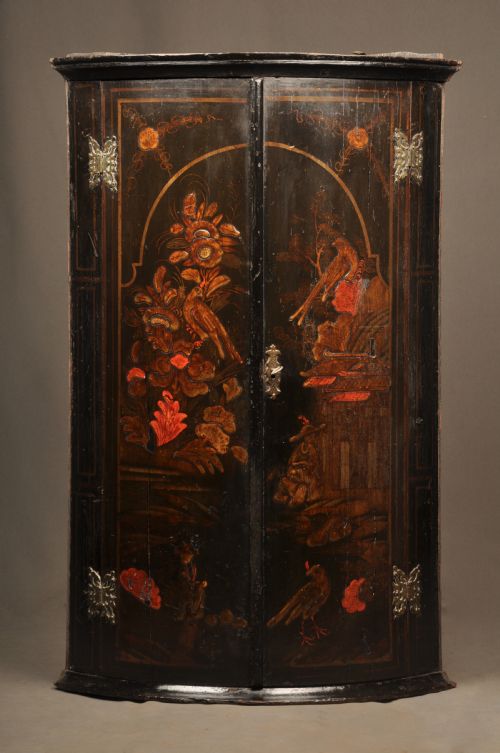

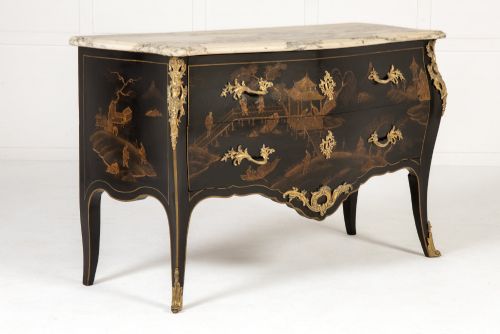
Black Gilt Cabinet
A black gilt cabinet brings deep lacquer and shining metallic detail together, offering striking contrast and storage for treasured rooms.
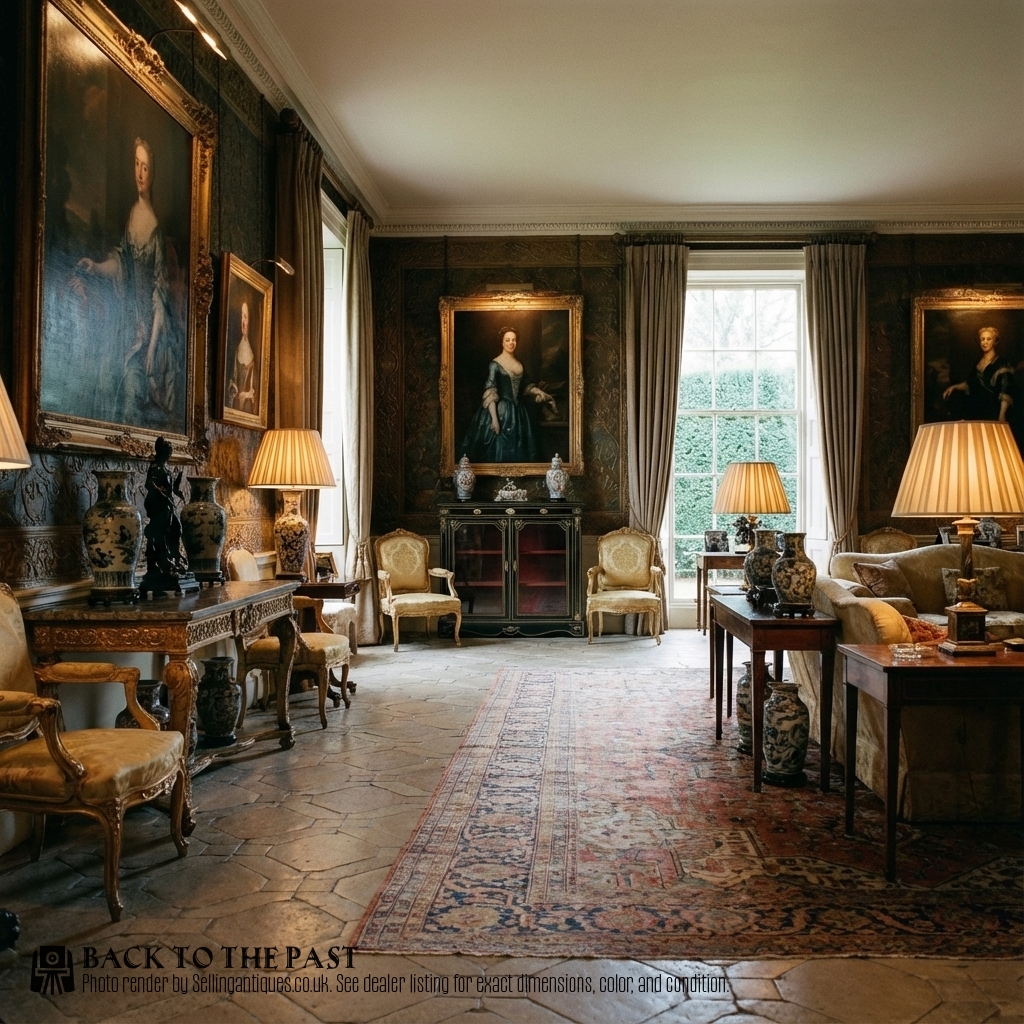
Black Gilt Cabinet
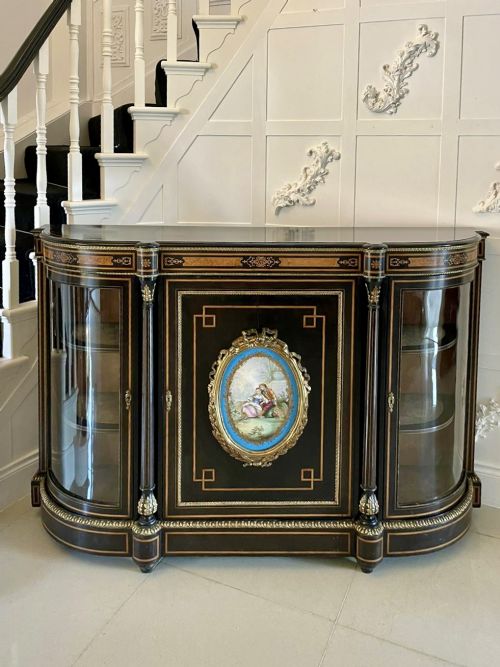
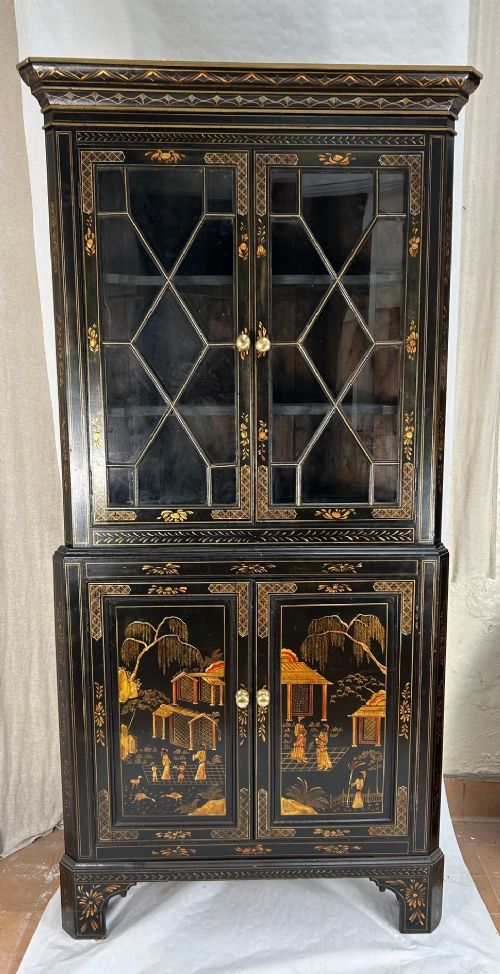
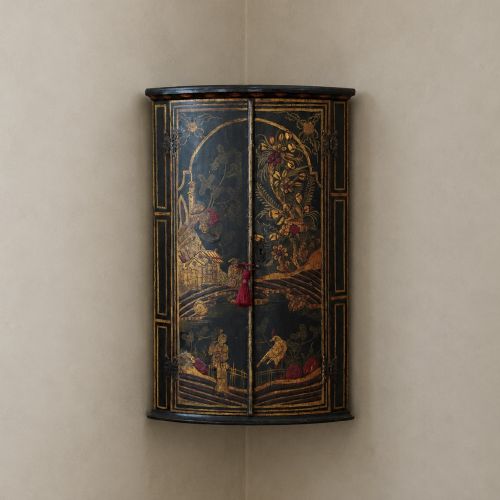
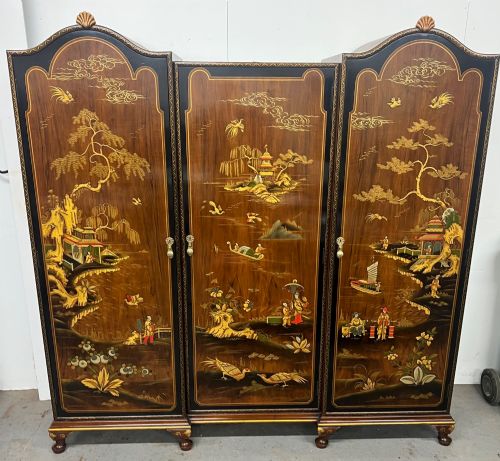
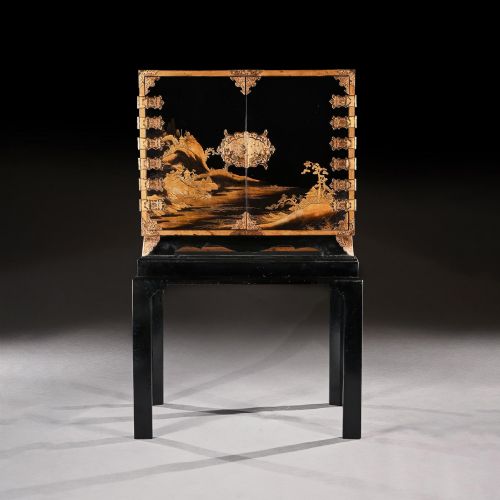
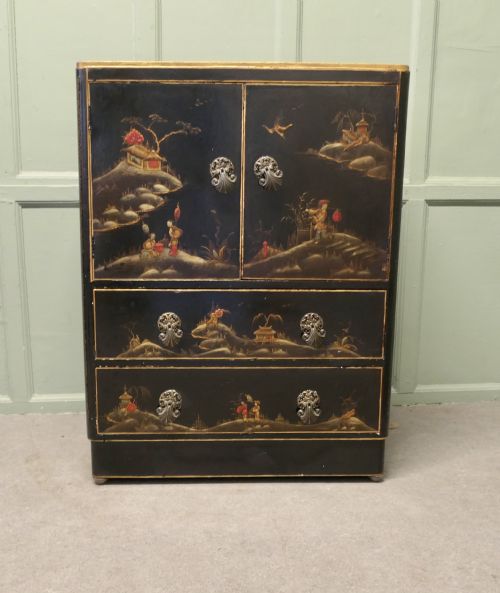
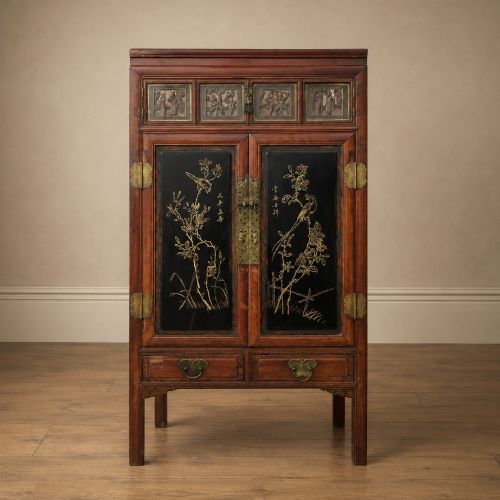
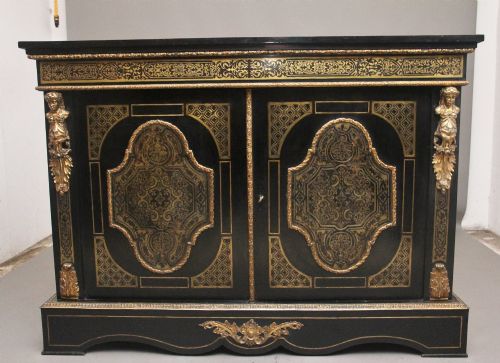
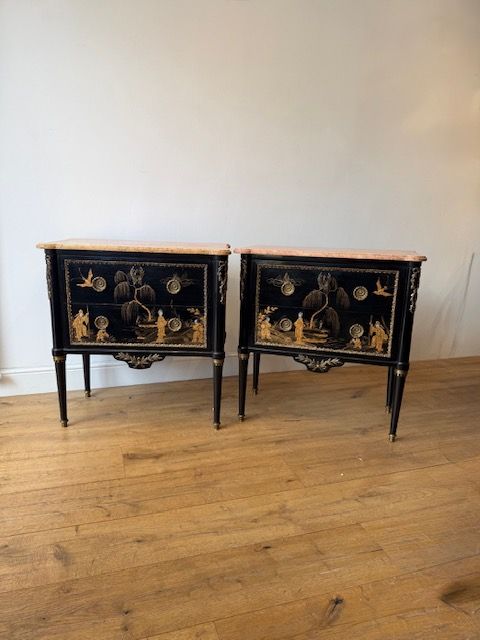
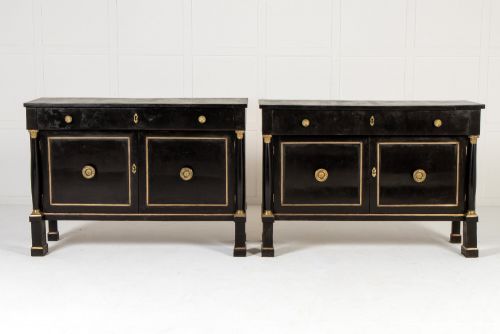
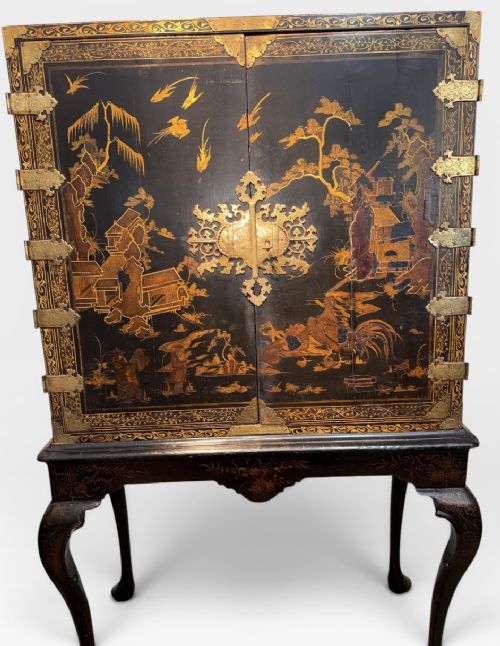
When you search for a black gilt cabinet, you encounter pieces defined by dark surfaces and metallic enrichment. These items span side cabinets, display cabinets, corner cupboards, credenzas, and pieces mounted on stands.
The selections originate from diverse periods including the eighteenth, nineteenth, and early twentieth centuries. Styles range from Chinoiserie and Japanned designs to Aesthetic Movement and Victorian ebonised furniture.
You are most likely to meet Victorian ebonised display pieces alongside Edwardian and later Chinoiserie lacquered cupboards. These forms serve practical storage needs while functioning as decorative focal points.
How they were made
Cabinet makers utilised wood carcasses, applying layers of dark lacquer or ebonised finishes to create deep, reflective dark grounds. Surfaces were then embellished with gold leaf, gilt-metal, or ormolu highlights to delineate intricate motifs.
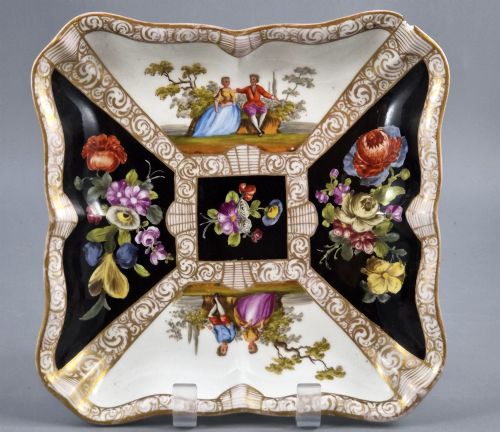
Many examples incorporate brass mounts, porcelain plaques, or glass panels to frame interior shelving. Construction methods combine traditional joinery with specialised surface finishing techniques such as Japanning.
A pet dog preserved by a taxidermist shares space with these dark cabinets, proving Victorians loved their pets almost as much as their ormolu.
What varies in quality
The execution of the decorative surface distinguishes finer examples from simpler production. Subtle hand-painted details and well-preserved gold leaf demonstrate superior craftsmanship compared to plain or heavily restored finishes.
The integration of mounting hardware, such as brass and ormolu, dictates refinement. Solid timber construction and balanced proportions elevate the status of a piece within its historical style.
Maples and Co·Hutchings of Aberystwyth
The Black Gilt Cabinet Glossary
- Ebonised
- Wood treated to imitate ebony through staining or painting. This technique creates a dense black finish popular in Victorian and Aesthetic Movement furniture.
- Chinoiserie
- European interpretations of Chinese and East Asian artistic traditions. Artisans applied this style to lacquer cabinets and screens.
- Japanning
- European imitation of Japanese and Chinese lacquerwork. The process involves layering varnish and curing it before adding raised metallic decoration.
- Ormolu
- Gilded bronze mounts applied to furniture. This decorative technique adds metallic richness to corners, doors, and feet.
- Vitrine
- A glass-fronted cabinet designed for displaying porcelain and small objects. These pieces often feature ebonised frames and gilt highlights.
Black Gilt Cabinet: Frequently Asked Questions
Where should I place my cabinet?
These pieces suit reception rooms or hallways where dark finishes and metallic highlights catch the light. Positioning them away from direct sunlight protects delicate lacquer surfaces.
Ensure the room humidity remains stable to prevent timber movement and preserve the structural integrity of the joints.
How do I clean the lacquer?
Dust surfaces gently with a soft, dry cloth to remove particles without scratching the dark finish. Avoid chemical polishes and water.
Consult a professional restorer if the gilt or lacquer requires attention, as domestic cleaning products can damage historical finishes.
Are these cabinets purely decorative?
Most pieces combine display functions with enclosed storage for ceramics, books, or tableware. Shelved interiors and secure doors offer practical utility.
Table cabinets and corner cupboards maximise space while introducing distinct historical character to an interior.
How do I identify the period?
Examine the construction methods, hardware materials, and stylistic motifs. Victorian ebonised pieces often feature applied porcelain and brass, whereas eighteenth-century examples lean towards Japanned Chinoiserie.
Secondary woods and hinge types also provide clues to the manufacturing date and regional origin.