


Black Framed Overmantel Mirror
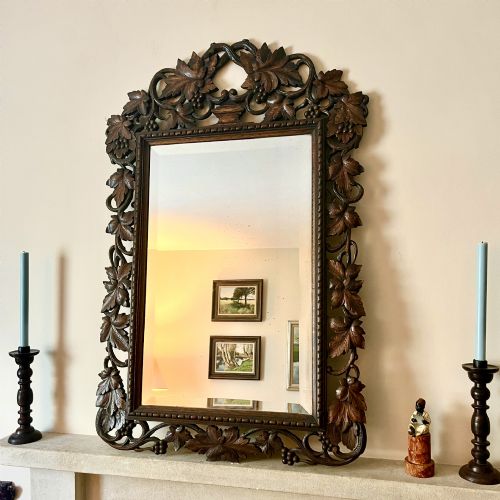
A black framed overmantel mirror anchors a chimney breast with dark contrast and generous reflective glass.
Black Framed Overmantel Mirror
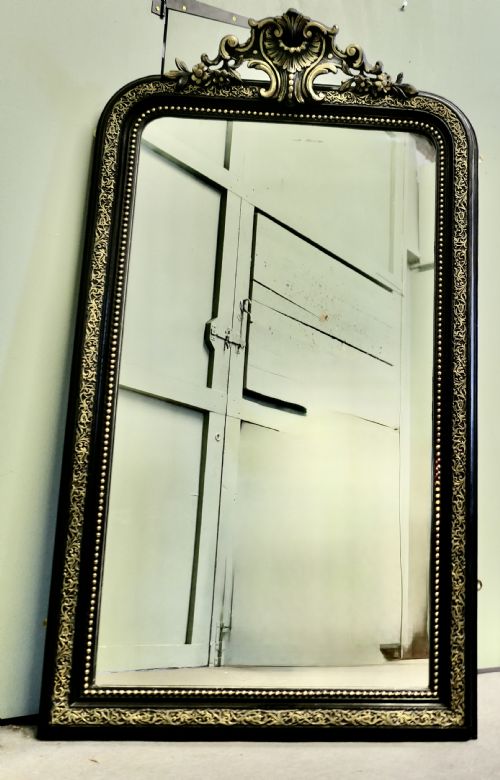
A black framed overmantel mirror is designed to sit directly above a fireplace mantelpiece, drawing the eye upwards and reflecting light across the room. These architectural pieces span several periods, with Victorian and nineteenth century examples appearing most frequently on this page.
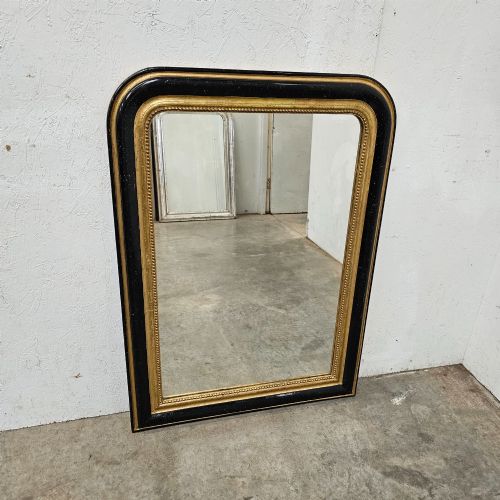
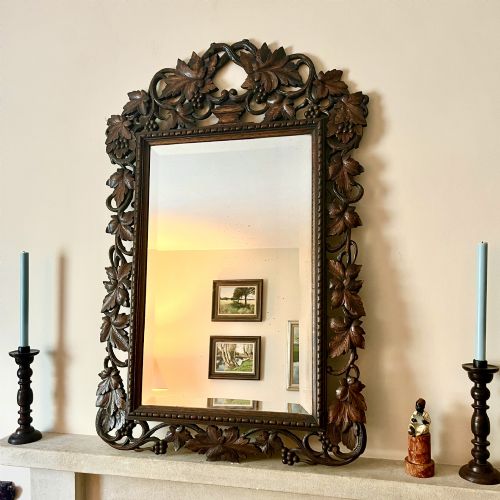
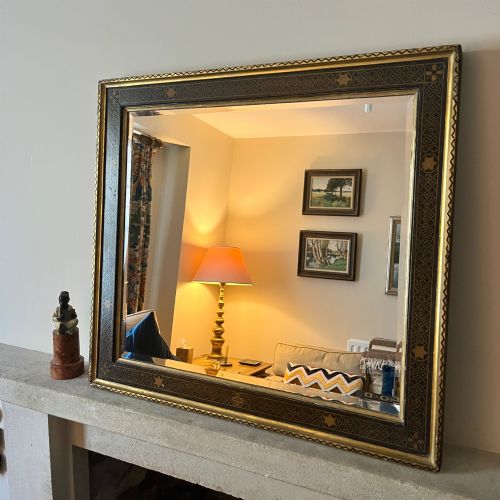
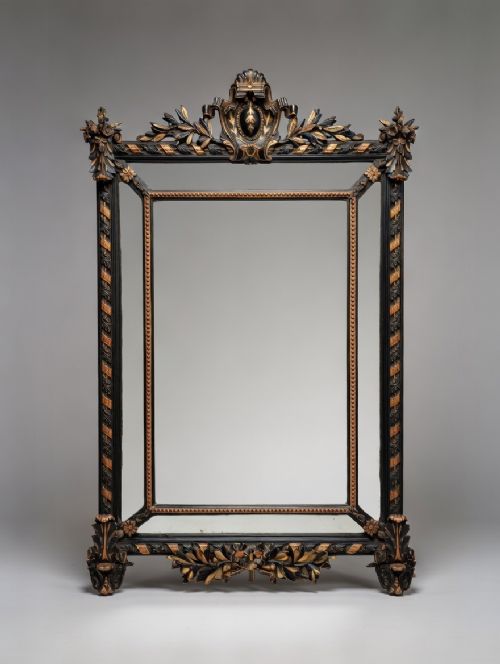
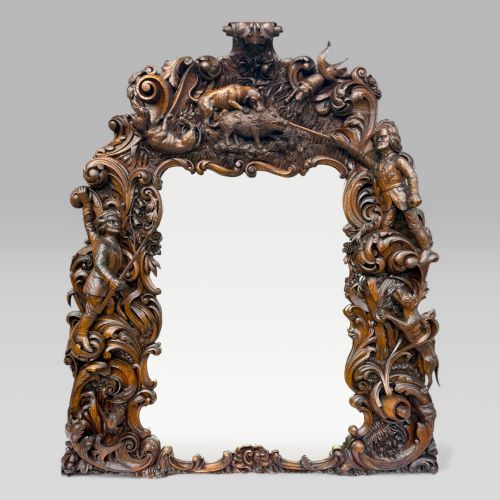
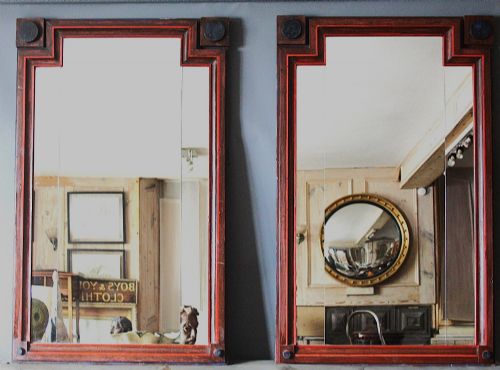
The selection ranges from simple ebonised designs to ornate Louis Philippe, Aesthetic Movement, and Gothic styles. Large wall mirrors and architectural overmantels dominate the forms, frequently integrating carved wood or gesso frames.
How they were made
Frames are constructed from timber such as oak, then finished with ebonised paint or applied gesso to achieve a dense black surface. Many pieces incorporate gold leaf, parcel-gilt, or parcel-silvered details to highlight carved motifs.
Glass plates are set within the wooden carcasses, often featuring bevelled edges or multi-section panels depending on the period.
What varies in quality
Quality rests upon the depth of the carving and the crispness of the applied gesso ornamentation. Hand-carved wooden details and refined parcel-gilt highlights distinguish finer pieces from simpler mouldings.
The integrity of the original mirror glass and the stability of the heavy wooden frame structure also determine the standard of the piece.
The Black Framed Overmantel Mirror Glossary
- Overmantel mirror
- A large mirror specifically proportioned to hang on the wall directly above a fireplace mantel.
- Ebonised
- Wood that has been stained or painted black to imitate expensive ebony.
- Gesso
- A plaster-like mixture applied to wood frames and carved or moulded into decorative reliefs.
- Parcel-gilt
- Wood or gesso where only specific raised details are partially gilded with gold leaf.
- Aesthetic Movement
- A late nineteenth century design style emphasising decorative beauty over narrative or moral function.
Black Framed Overmantel Mirror: Frequently Asked Questions
How do I hang a heavy overmantel mirror?
These large mirrors require secure wall fixings anchored directly into structural masonry or heavy wooden studs behind the plaster. Because the frames carry significant weight from the wood and glass, professional installation is strongly recommended to support the load safely.
Position the mirror at a height that complements the mantelpiece below while ensuring the hanging brackets distribute the vertical weight evenly.
Were these mirrors made for fireplaces?
Overmantel mirrors were specifically constructed to sit above domestic fireplaces, reflecting candle or firelight around the principal rooms of nineteenth century houses. Their horizontal or vertical proportions matched the scale of the mantel beneath them.
Today, they function equally well mounted above low sideboards or console tables in entrance halls.
What is the difference between Victorian and Louis Philippe styles?
Victorian frames tend to feature heavier carving, architectural gesso decoration, and distinct Gothic or Aesthetic Movement influences. They embrace rich textures including ebonised wood combined with parcel-gilt or parcel-silvered highlights.
Louis Philippe mirrors are generally characterised by simpler, cleaner arched frames with more restrained decorative elements.
How do I clean an antique ebonised frame?
Dust the carved wooden frame gently with a dry, soft-bristled brush to remove surface particles without disturbing the black finish or gesso. Avoid using chemical sprays or excessive moisture which can damage aged painted surfaces and exposed gilding.
Clean the mirror glass separately using a mild glass cleaner applied to a cloth rather than sprayed directly onto the glass near the frame.