



Black Forest Animal Carving
These carved wooden figures and functional objects bring nineteenth-century alpine fauna and domestic animals straight into the study or parlour.
Black Forest Animal Carving
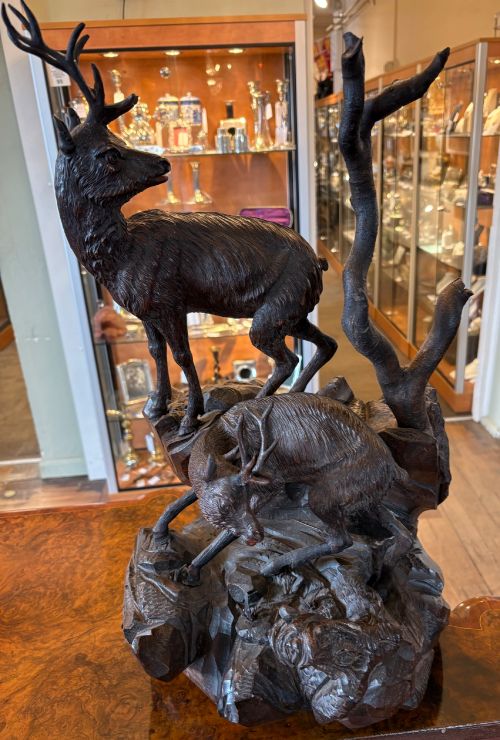
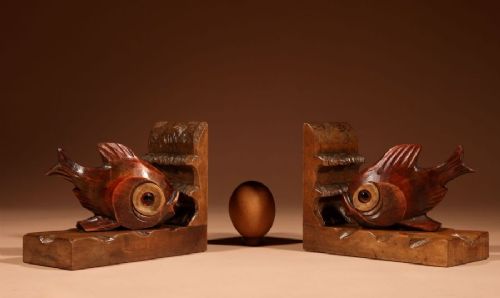
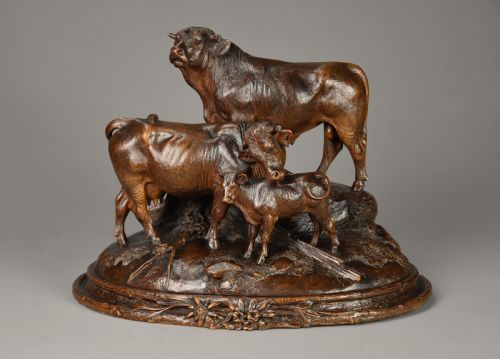
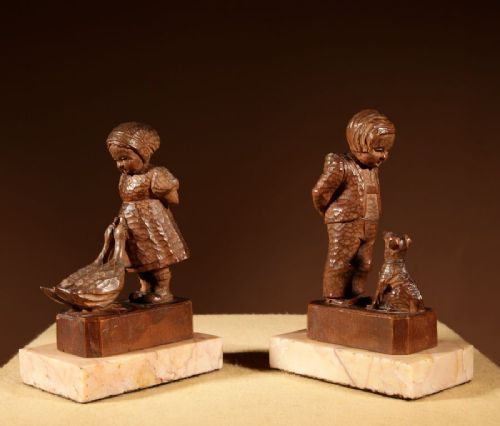
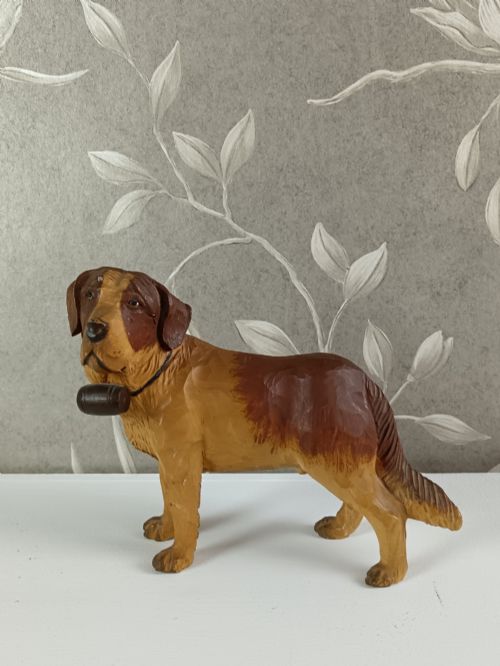
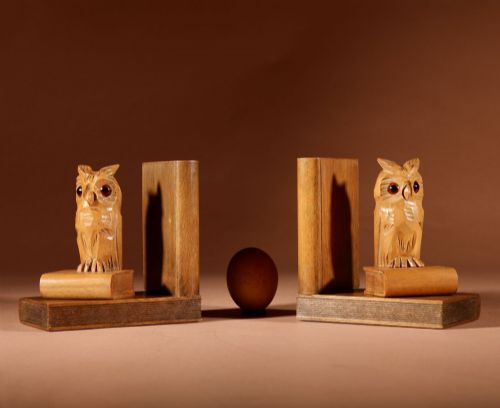
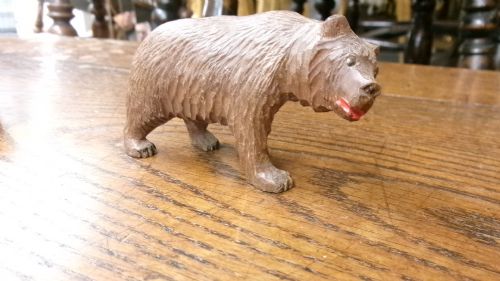
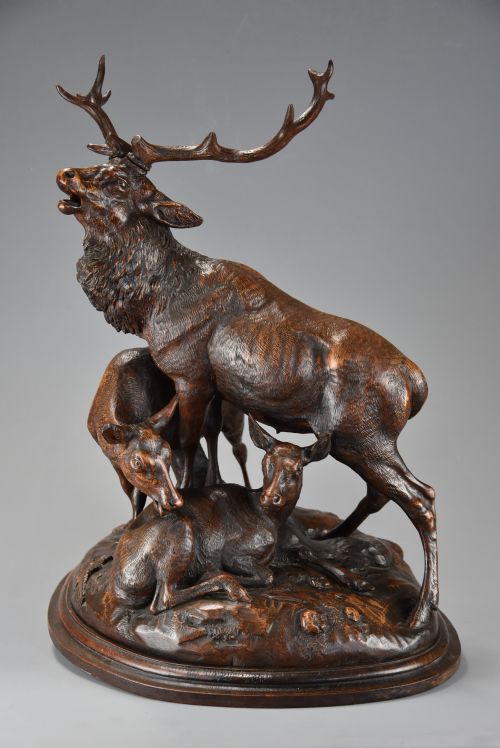
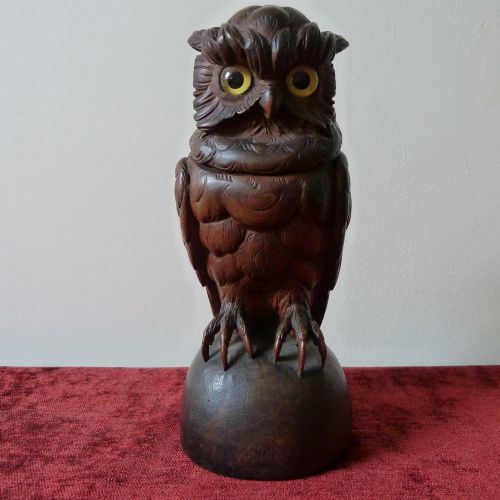
When you search for black forest animal carving, you encounter three-dimensional wooden sculptures, bookends, inkwells, and larger furniture pieces originating primarily from the nineteenth and early twentieth centuries. The domestic bear remains the most frequent subject, alongside deer, dogs, owls, and cattle rendered in styles ranging from detailed naturalism to rustic folk art.
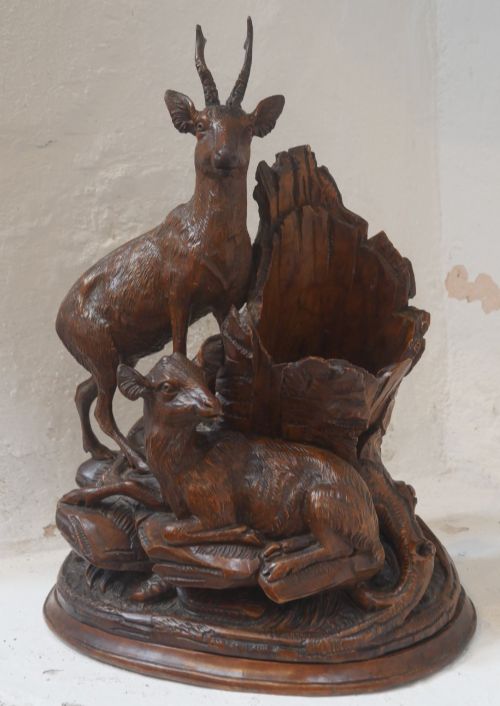
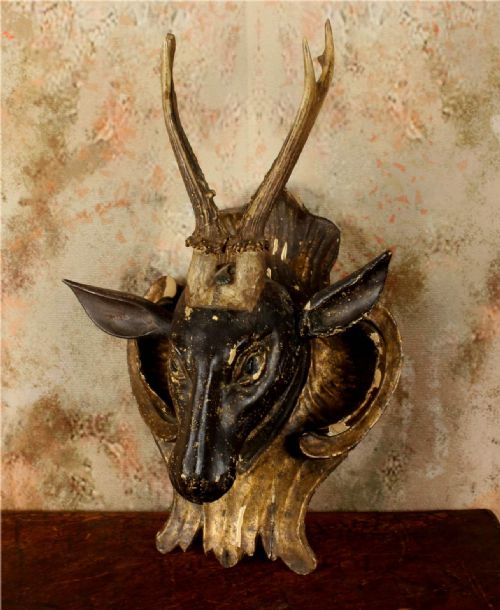
Beyond standard shelf sculptures, artisans shaped these timbers into functional items such as table lamps, mirrors, barometers, and walking canes. Many of these pieces display regional alpine motifs, capturing mountain goats, chamois, ibex, and hunting trophies with considerable anatomical observation.
Materials and Method
Tool marks reveal the deliberate use of gouges and chisels to simulate animal coats, while glass inserts occasionally provided realistic eyes for bears, dogs, and owls. Selected pieces incorporated applied paint or dark stains to heighten natural contrasts in the wood.
Black Forest Animal Carving Retail Price Guide 2026
Typical asking prices for black forest animal carving among the pieces listed under this phrase on Sellingantiques today, from the lower quarter to the upper quarter. They describe what is for sale here now, not the wider market.
Listings span the nineteenth century through the 1940s, recording linden wood, walnut, glass, and paint across various functional forms.
Judging the Carving
Excellence in this field rests upon anatomical proportion and the handling of texture. Superior examples display convincing muscular tension, accurate skeletal structure, and fur rendered in fine, varied strokes rather than uniform parallel lines.
The integration of the subject with its base separates standard production from master work. Pieces where the animal emerges naturally from a carved log, rockwork, or naturalistic foliage demonstrate superior design and ambition on the bench.
J Huggler
The Black Forest Animal Carving Glossary
- Linden wood
- A pale, fine-grained timber commonly utilised by nineteenth-century carvers for its cooperative texture and lack of prominent grain.
- Inkwell
- A desktop reservoir for liquid ink, frequently incorporated into animal carvings with a hinged lid hidden within a log or the beast's back.
- Folk art
- Objects produced within a traditional community framework, often displaying simpler forms and direct execution compared to academic studio sculpture.
- Stud eyes
- Small glass or metal inserts pressed into carved sockets to provide a glint of realism in animal figures.
Black Forest Animal Carving: Frequently Asked Questions
What animals appear most often?
Bears dominate the surviving output, followed closely by deer, owls, dogs, and cattle. Carvers also turned their attention to mountain goats, foxes, and lions.
These subjects reflect both regional alpine wildlife and the Victorian fascination with domestic pets and sporting trophies.
How were these objects used?
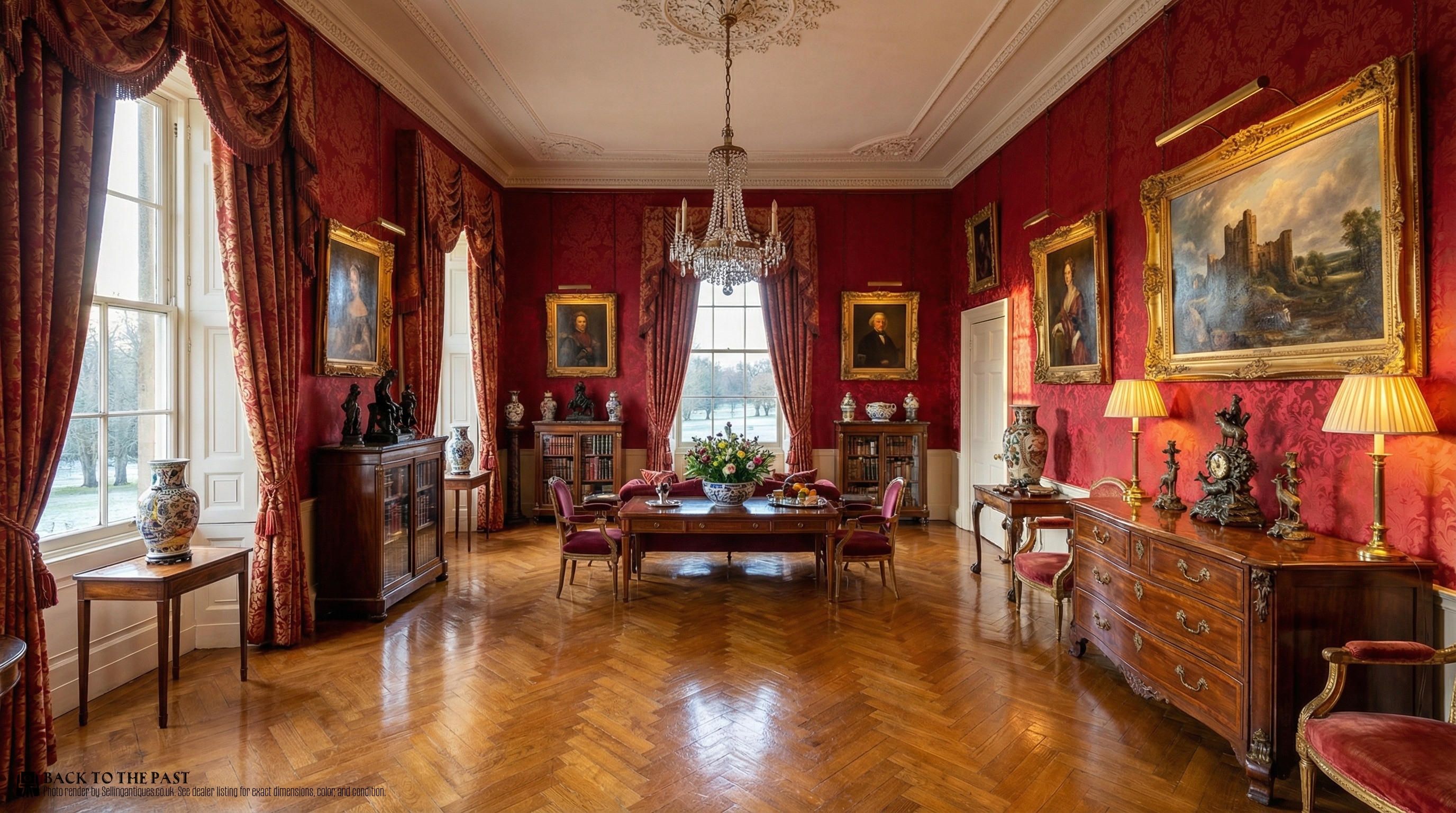
Many served practical functions on Victorian and Edwardian desks, mantelpieces, and halls. Bookends, inkwells, barometers, clocks, and table lamps integrated carved animal forms into daily domestic life.
Larger sculptures and mirrors functioned purely as decorative focal points within wood-panelled rooms.
How do I date a carving?
Dating relies on stylistic clues, associated hardware, and recorded workshop practices from the nineteenth and early twentieth centuries. Pieces stamped by known makers or tied to exhibition periods provide firm benchmarks.
Victorian examples often favour darker walnut finishes, while later Edwardian output frequently employs pale linden wood.
How should I care for the wood?
Keep carved wooden objects away from direct sunlight and dramatic temperature swings to prevent timber splitting. Dust gently with a dry, soft brush rather than liquid polishes.
Natural oils in the wood require no artificial feeding unless the surface appears excessively dry.