




Birmingham Silver Salt
These pieces of birmingham silver salt range from Georgian vinaigrettes to Edwardian condiment sets, uniting small-scale domestic silver with functional tablewares.
Birmingham Silver Salt
A search for birmingham silver salt brings up an array of domestic silver objects produced in the Midlands assay office, spanning salt cellars, mustard pots, and condiment sets alongside smaller containers. The most frequent forms encountered on this page are salt cellars and matched pairs of salts, often accompanied by their original spoons.
Many of these salt cellars appear as open tubs, shell shapes, or lobed vessels supported by miniature legs or resting directly on the surface. They frequently incorporate glass liners in cobalt blue or cranberry glass, designed to protect the metal from the corrosive nature of table salt.
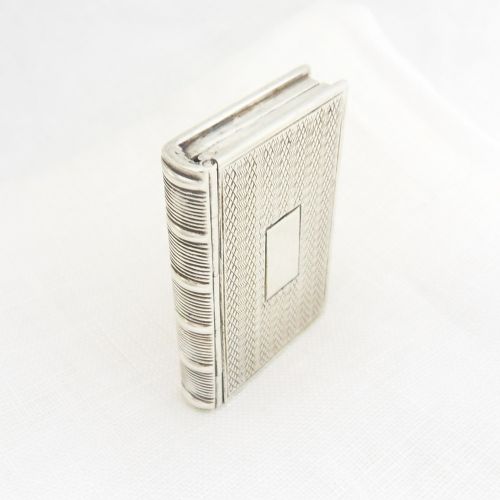
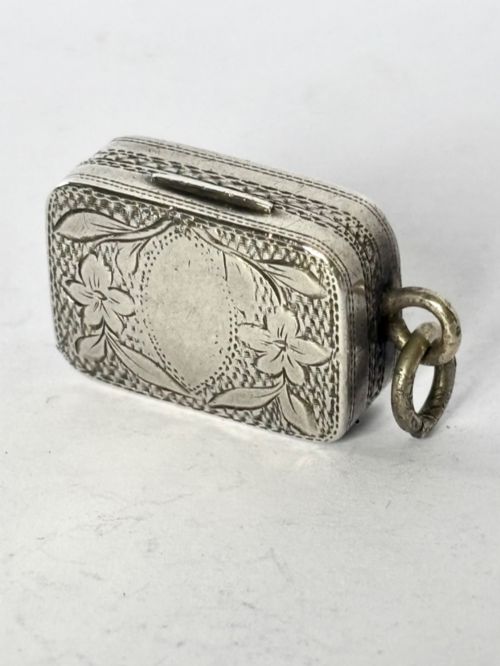
Beyond open salts and cruet sets, the category encompasses smaller desk and dressing table accessories such as vinaigrettes, scent bottles, and mustard pots. These pieces demonstrate the versatility of Birmingham silversmiths in producing both dining table accessories and personal silver items.
What varies in quality
The distinction between standard production and finer work lies in the crispness of the hallmarks and the weight of the solid silver used in the body. Heavier cast salt cellars and ornate pierced designs show a higher level of craftsmanship than lighter, pressed metal alternatives.
Survival of original components marks out the better examples, particularly the presence of matching silver salt spoons and intact glass liners free from chips. Maker marks from established workshops also signal a higher degree of execution in chasing and detail.
Victorian diners required miniature silver spoons shaped like anointing spoons just to shovel their salt.
Samuel Pemberton·Nathaniel Mills·John Bettridge·Wilmot Manufacturing Co·Mappin & Webb·Vale Brothers and Sermon·Heath and Middleton·Henry Matthews·W.G. Keight & Co·William Aitken·George Unite·Joseph Gloster·Jones & Crompton·Levi & Salaman·Hilliard & Thomason·Spurrier & Co·A.E. Jones·William Aitken·Deakin and Francis·Thomas Lawson·Henry Hudson Plante
The Birmingham Silver Salt Glossary
- Hallmark
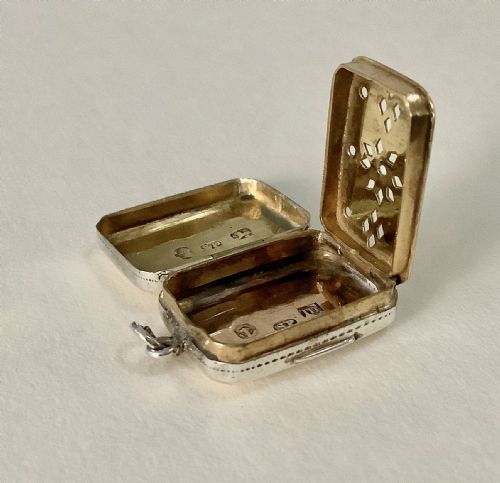
- Official stamps struck into precious metals to guarantee purity and origin. These marks typically include the maker's mark, assay office symbol, and date letter.
- Silver-gilt
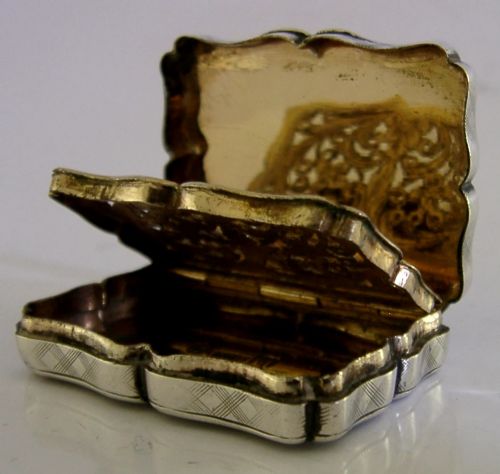
- Sterling silver that has been coated with a thin layer of gold on the surface. This technique was frequently applied to the interior bowls of salt cellars to protect the silver from chemical reaction.
- Cruet set
- A matched collection of small bottles or containers for holding condiments such as salt, mustard, pepper, oil, and vinegar at the dining table.
- Vinaigrette
- A small ornamental box featuring an internal pierced grille, designed to hold a sponge soaked in aromatic vinegar. These portable items were popular in the Georgian and Victorian periods.
- Liner
- A removable glass insert fitted inside an open salt cellar or mustard pot. These protected the exterior metalwork from the corrosive effects of salt.
Birmingham Silver Salt: Frequently Asked Questions
How do I clean antique silver salt cellars?
Wash silver gently in warm soapy water using a soft cloth, taking care to remove the glass liner first. Avoid harsh commercial dips that can strip the natural patina and damage applied gilding.
Dry the metal thoroughly with a microfiber cloth before storing or displaying. Regular, gentle dusting preserves the surface better than frequent aggressive polishing.
Are glass liners original to the salt cellars?
Many salt cellars retain their original cobalt or cranberry glass liners, which were custom-blown to fit the specific dimensions of the silver frame. Replacement liners are common due to the fragility of glass over generations of use.
Examining the fit and the wear patterns on the rim can help determine whether a liner belongs to the piece. A snug fit without excessive movement suggests original or period-correct manufacture.
What is the difference between an open salt and a shaker?
Open salts are small bowls or tubs designed to hold loose salt, which diners accessed using miniature spoons rather than shaking directly onto food. They became the standard table form before free-flowing salt and shaker bottles gained popularity in the twentieth century.
Shakers feature perforated tops for dispensing grains. The evidence shows both open salt cellars and closed shaker forms across various decades.
How can I date a Birmingham silver salt?
Dating relies primarily on the assay office mark and the specific date letter stamped into the metal alongside the lion passant and maker's mark. Birmingham pieces bear an anchor symbol.
Stylistic shifts also provide clues, moving from Georgian restraint through Victorian ornamentation to Edwardian lightness and Art Deco geometry. Matching the hallmarks with style gives a reliable timeline.