
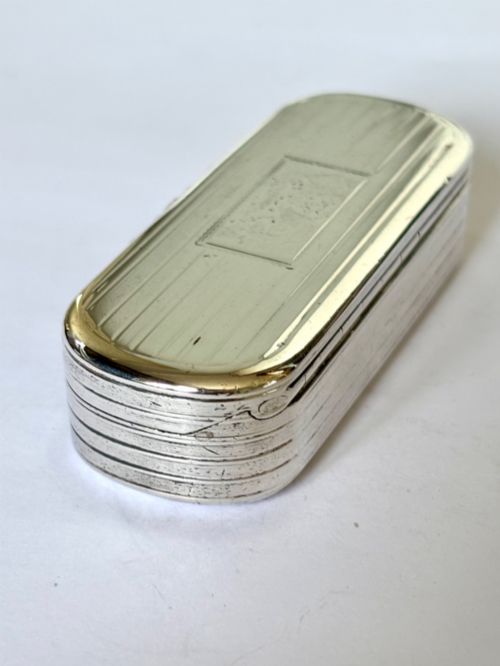
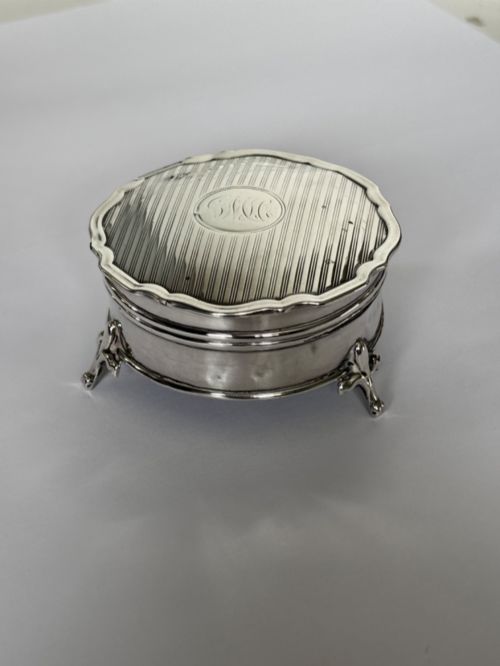
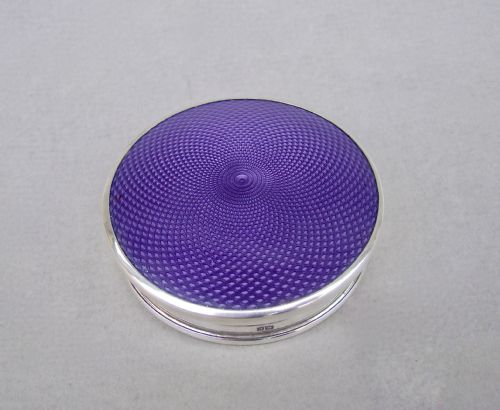

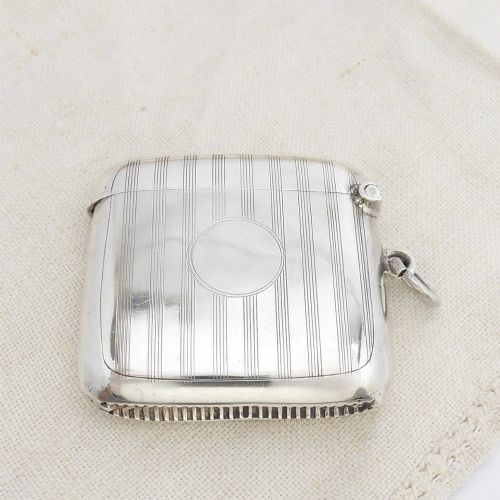


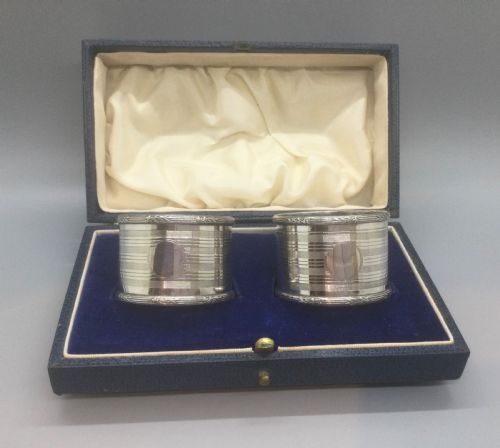

Birmingham Hallmarked Silver Box
These pieces are birmingham hallmarked silver box items, forged by silversmiths to hold small treasures and designed to sit neatly on any surface.
Birmingham Hallmarked Silver Box
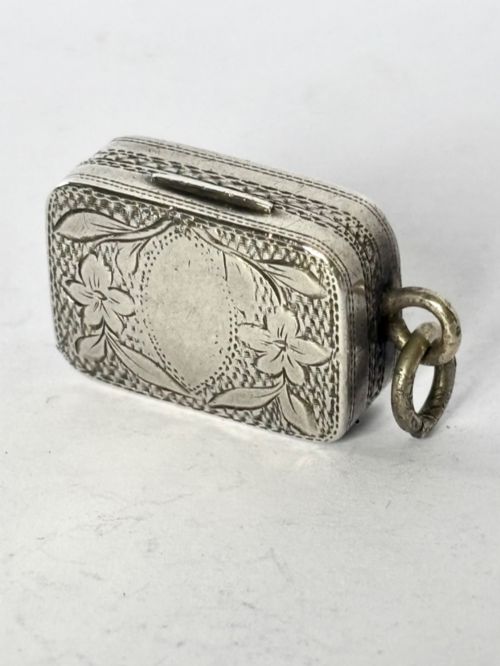
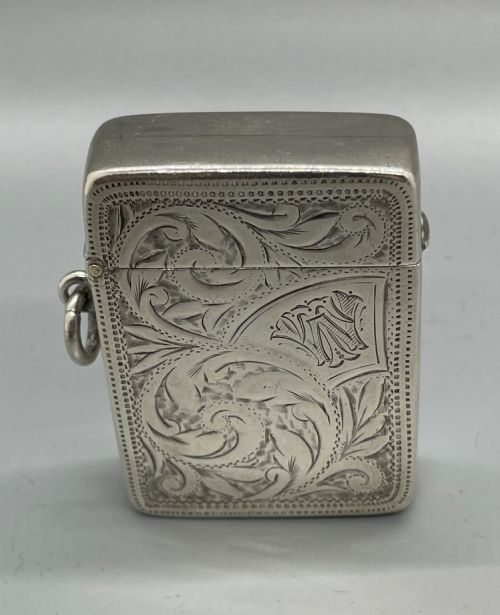
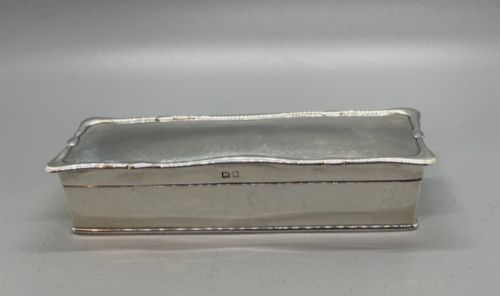
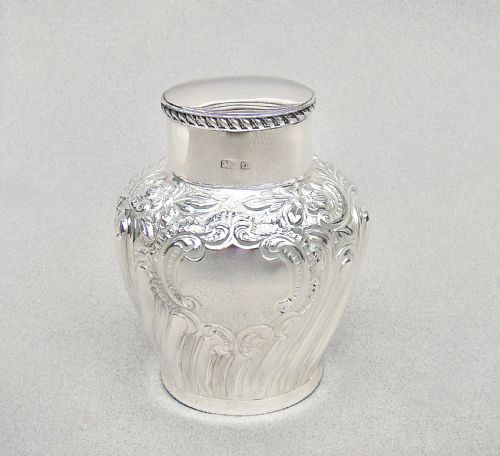
A birmingham hallmarked silver box covers a broad span of small domestic containers, from tiny pocket vesta cases and snuff boxes to larger dressing table trinket boxes and tea caddies. When searching this phrase, a buyer meets items shaped for specific daily uses, including pill boxes, powder compacts, and cribbage containers.
The pieces on this page cross multiple eras of British design, originating from Georgian reigns through the Victorian and Edwardian periods into the twentieth century. Early examples often take the form of silver gilt vinaigrettes or barrel nutmeg graters, while later items embrace Art Deco geometry and fitted interiors lined with velvet or silk.
Materials and construction
Silversmiths constructed these pieces primarily from sterling silver, frequently applying interior silver-gilt washes to protect the metal from corrosive contents such as snuff or vinegar. Many items incorporate contrasting elements, combining the metal with glass, cranberry glass, tortoiseshell, shagreen, or celluloid.
Makers utilised techniques such as stamping, casting, and hand-engraving to decorate the surfaces with patterns or figural motifs. Interiors were lined with soft materials like velvet or silk to cushion jewellery, pills, and small valuables.
Materials paired with sterling silver include cranberry glass, tortoiseshell, shagreen, velvet, and celluloid.
Craftsmanship and distinction
Quality rests in the crispness of the maker's stamp and the legibility of the city hallmark, which together confirm the integrity of the silver. Finer examples display meticulous hand-chasing, tight hinge tolerances, and well-fitted internal linings.
Pieces that retain specialised internal fittings or unusual secondary materials such as tortoiseshell or shagreen demonstrate greater ambition in design. The weight of the sterling silver and the balance of the proportions further separate standard domestic wares from exceptional workshop output.
Samuel Pemberton·Thomas Hayes·Robert Thornton·George Unite·Adie And Lovekin Ltd·Levi And Salaman·Thomas Shaw·Ernest Druiff And Co
The Birmingham Hallmarked Silver Box Glossary
- Birmingham Hallmark
- The anchor symbol stamped onto silver items to designate the assay office of Birmingham. This mark confirms the legal standard of the metal.
- Vesta Case
- A small pocket container designed to hold matches. These often feature spring-loaded lids and striker grooves on the base.
- Vinaigrette
- A small ornamental box containing a perforated internal grille. The sponge beneath the grille was soaked in aromatic vinegar.
- Tea Caddy
- A jar or box created to store loose tea leaves. They frequently include lockable lids to protect expensive dry goods.
- Silver-Gilt
- Sterling silver that has been coated with a thin layer of gold on the surface. This technique prevents tarnishing in areas exposed to corrosive substances.
Birmingham Hallmarked Silver Box: Frequently Asked Questions
How do I date a silver box?
Dating relies on the set of stamped punches inside or on the base of the item, which includes a specific date letter corresponding to the assay year. Stylistic clues such as Victorian florals or Art Deco geometry also point to the era of manufacture.
Makers' marks further narrow down the production window when matched against historical silversmith records from the Midlands.
Were these boxes used every day?
Many of these pieces were intended for daily personal use, carrying items like tobacco, matches, or cosmetics in pockets and handbags. Others remained stationary on dressing tables or writing desks to hold rings and keepsakes.
Their sturdy construction in sterling silver ensured they could withstand regular handling while retaining their decorative appeal.
What are inside these boxes?
Interiors vary depending on the intended function of the container, often featuring gilded surfaces to prevent chemical reactions from contents like snuff. Many dressing table boxes and trinket holders retain their original silk or velvet linings.
Some specialist pieces, such as vinaigrettes, contain hinged internal grilles designed to hold scented sponges.