


Biedermeier Furniture
When you search for biedermeier furniture, you enter a world of warm wood grains, restrained classical lines and practical domestic utility.
Biedermeier Furniture
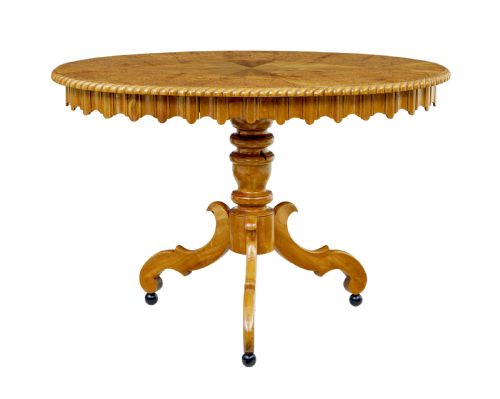
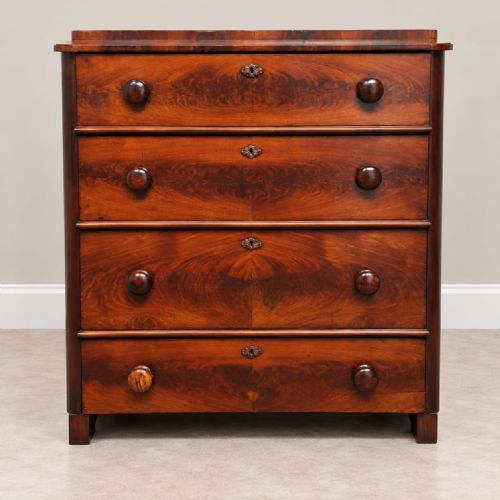
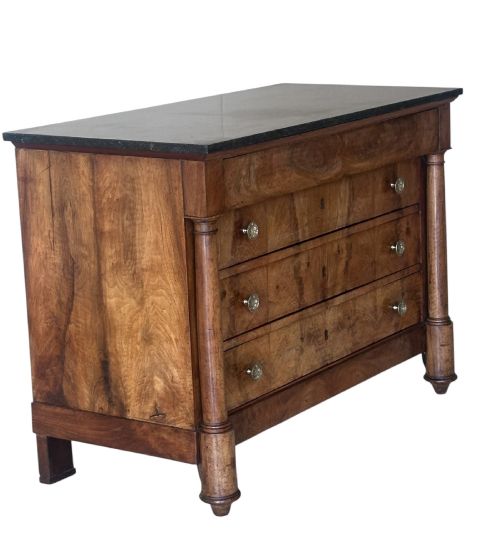
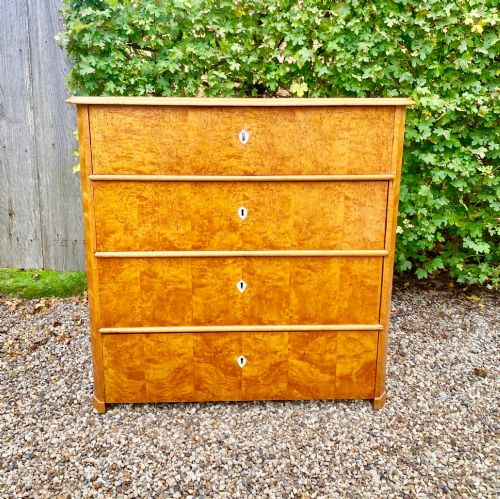
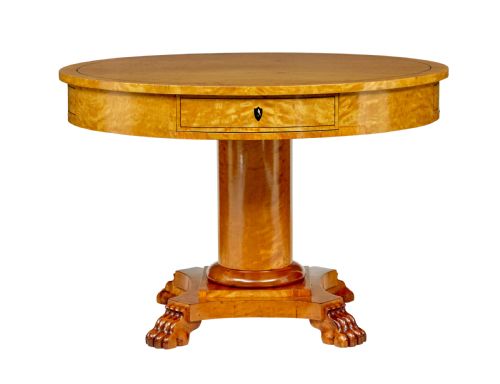
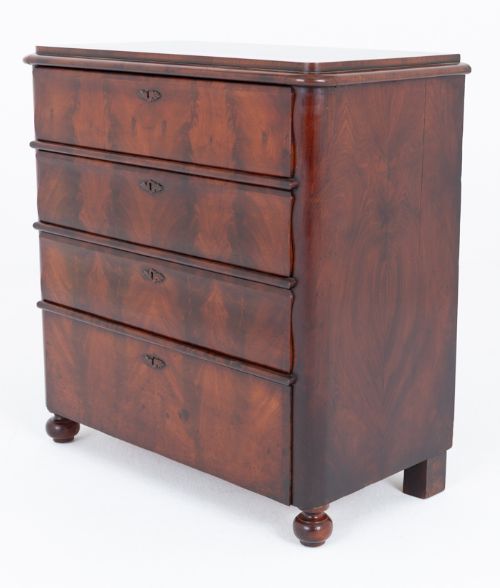
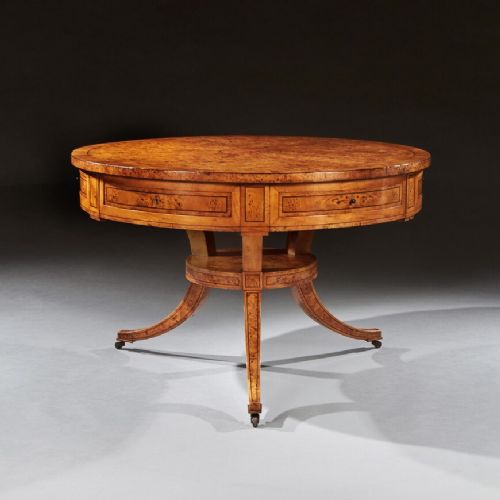
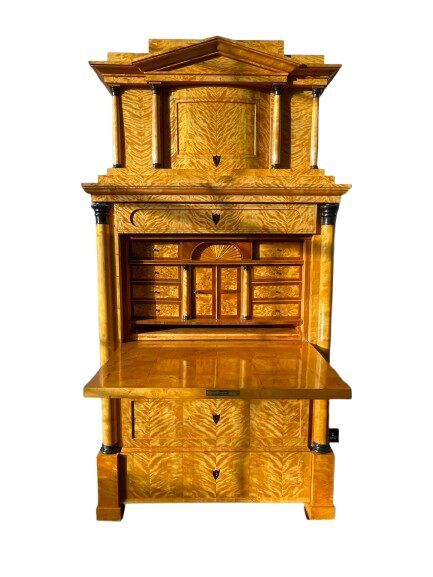
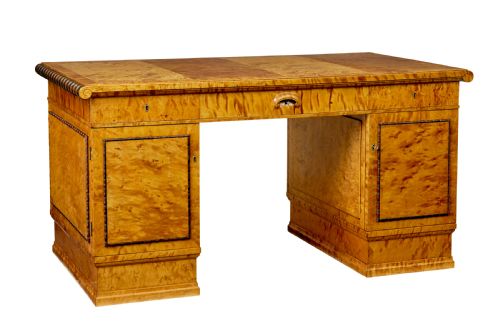
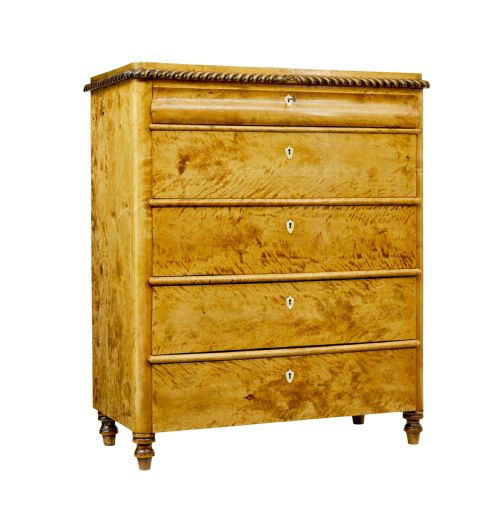
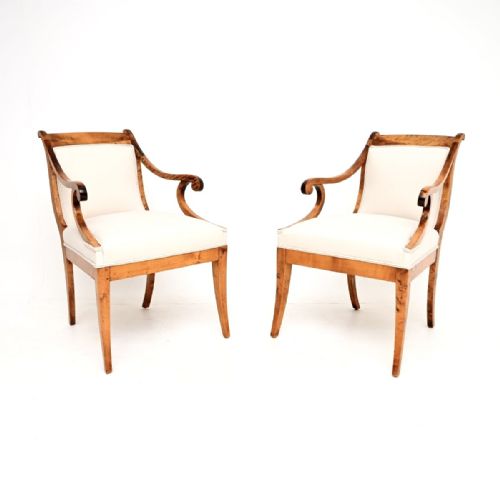
Biedermeier furniture encompasses practical domestic forms created primarily during the nineteenth century across northern Europe and Scandinavia. Buyers seeking these pieces generally encounter chests of drawers, occasional tables, armchairs, and secretaires that emphasise clean geometry over excessive ornamentation. Swedish interpretations appear frequently, utilising indigenous timbers to soften classical continental designs.
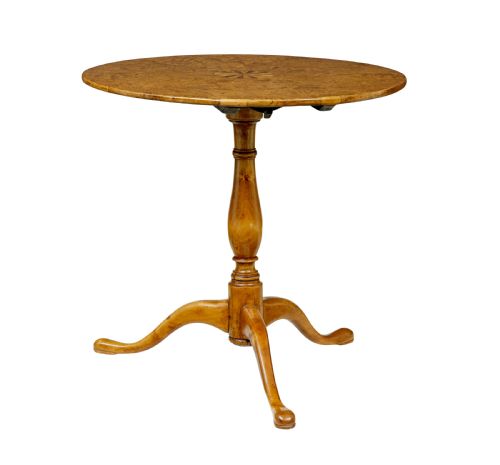
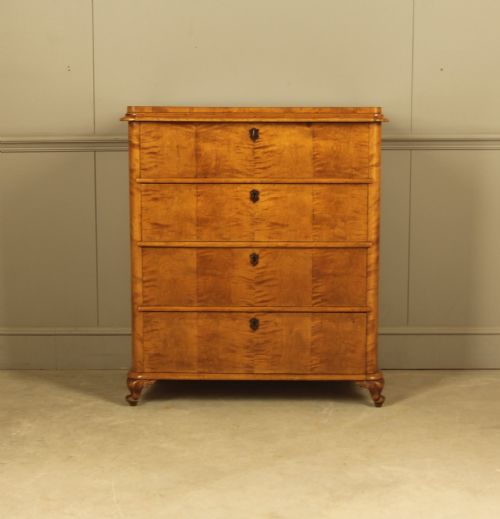
The aesthetic prioritizes domestic comfort and clean architectural proportions suited to middle-class interiors. Chests of drawers and cupboards offer substantial storage while maintaining smooth, unbroken facades that display natural wood figures. Tables range from circular centre pieces to tripod and sofa designs intended for daily use in sitting rooms.
Regional variations span from strict nineteenth-century proportions to later revival periods extending into the twentieth century. Scandinavian workshops adapted the style with lighter timbers, producing blonde surfaces and striking grain patterns. Armchairs and stools complement these case pieces, carrying the same understated structural discipline.
Materials and construction
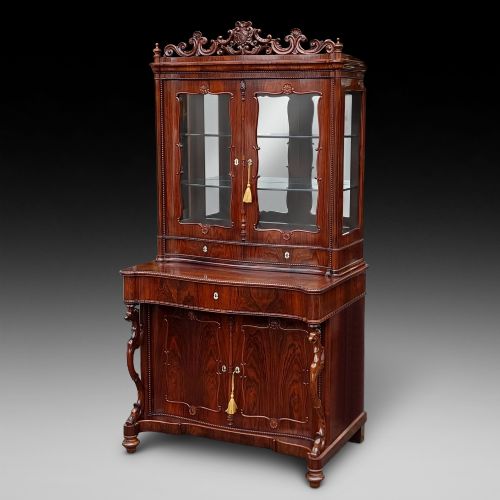
Cabinetmakers relied heavily on birch, satin birch, burr birch, and flame birch veneers applied over sturdy pine or secondary foundations. These figured timbers create shimmering surface patterns across large drawer fronts and table tops without needing heavy carving. Mahogany, walnut, and rosewood also appear, offering deeper contrast and traditional formal weight.
Construction techniques focus on smooth veneering, subtle inlay work, and occasional brass or ormolu mounts to accent structural lines. Timber selection dictates the final visual impact, with masur and tiger birch providing complex natural grain arrangements. Surfaces receive polished finishes that protect the delicate veneers while amplifying the warmth of the wood.
One late nineteenth-century sewing table arrives complete with its original contents intact inside.
Judging quality in execution
Quality rests primarily on the selection and matching of wood veneers across prominent surfaces. Finer examples display symmetrical grain patterns that flow evenly across multiple drawer fronts or large table tops. Poorer execution shows mismatched timber sections or careless patching where the grain disrupts the visual harmony.
Structural integrity and the subtlety of proportion separate standard utilitarian pieces from exceptional examples. The best workshops maintained clean, uncluttered lines that allowed the natural figure of birch or mahogany to dominate. Joinery remains tight and flush, ensuring that decorative mounts or inlaid details integrate seamlessly into the primary design.
Gemla Fabrikers
The Biedermeier Furniture Glossary
- Biedermeier
- A Central European and Scandinavian design style spanning the nineteenth century that prioritises clean lines and domestic utility over ostentatious ornament. It emerged from the aftermath of the Napoleonic Wars and found favour among the growing middle class.
- Secretaire
- A cabinet or chest featuring a fall-front writing drawer that conceals smaller compartments and pigeonholes. These multifunctional pieces combine storage with a dedicated writing surface.
- Burr birch
- Timber taken from tree growths or burls that creates swirling, highly figured patterns across furniture surfaces. Craftsmen prized this material for veneer work on drawer fronts and table tops.
- Ormolu
- Gilded bronze mounts applied to furniture edges or corners for decorative accent. This technique adds metallic contrast to polished wooden surfaces.
- Commode
- A low chest of drawers designed for domestic storage, often featuring serpentine or straight fronts. The form serves as both a functional storage unit and a display surface.
Biedermeier Furniture: Frequently Asked Questions
What defines biedermeier furniture?
These pieces originate from nineteenth-century Europe and Scandinavia, combining classical architectural proportions with a focus on domestic comfort and utility. The style avoids heavy baroque carving in favour of smooth surfaces and refined geometric shapes.
Craftsmen allowed natural wood figures, particularly birch and mahogany veneers, to serve as the primary decoration. This approach created functional items like chests, tables, and cabinets that suit modern and traditional interiors alike.
How do I identify birch varieties?
Scandinavian workshops frequently utilised regional timbers such as satin birch, flame birch, masur, and burr birch. Flame and tiger birch exhibit distinctive shimmering stripes and wave patterns across the wood.
Masur and burr variants display dense, speckled eye formations caused by natural tree growths. These contrasting patterns help distinguish northern European pieces from standard continental mahogany equivalents.
Where were these pieces used?
Original pieces were built for middle-class European homes that required practical, space-efficient furnishings. Chests of drawers, secretaires, and cupboards provided essential storage in bedrooms and studies.
Smaller items like occasional tables, side tables, and armchairs filled sitting rooms to accommodate daily domestic life. Their modest scale allows them to integrate easily into contemporary living spaces.
How do I care for veneered surfaces?
Delicate wood veneers require stable indoor humidity and protection from direct sunlight to prevent drying and fading. Regular dusting with a soft, dry cloth maintains the polished finish without risking moisture damage.
Avoid placing items near direct heat sources that might cause the thin birch or mahogany veneers to warp or lift. Gentle waxing preserves the natural lustre of the timber over time.