


Bell Striking Clock
A bell striking clock brings an acoustic dimension to horology, marking the hours with the resonant tone of metal.
Bell Striking Clock
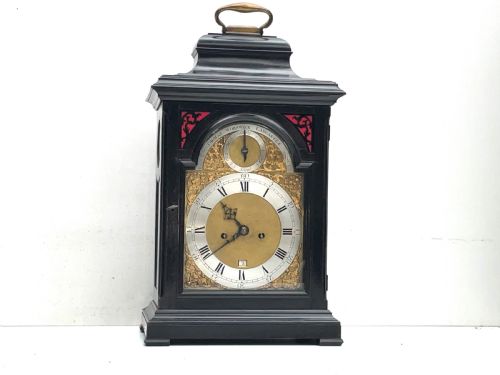
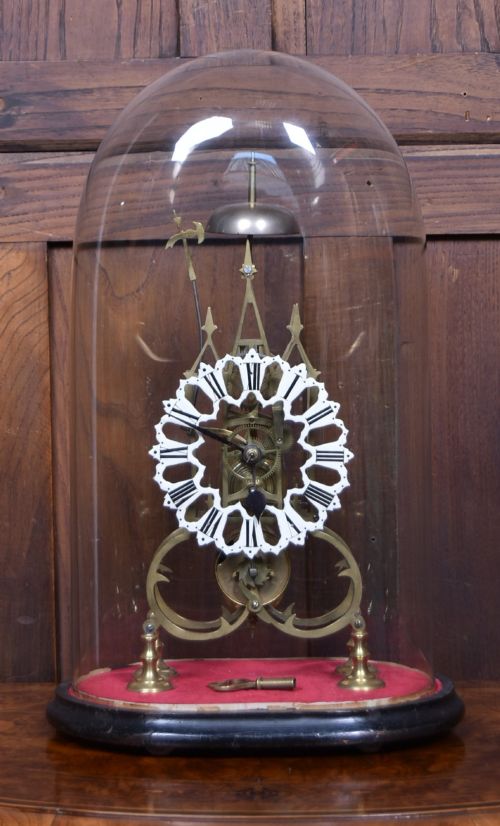
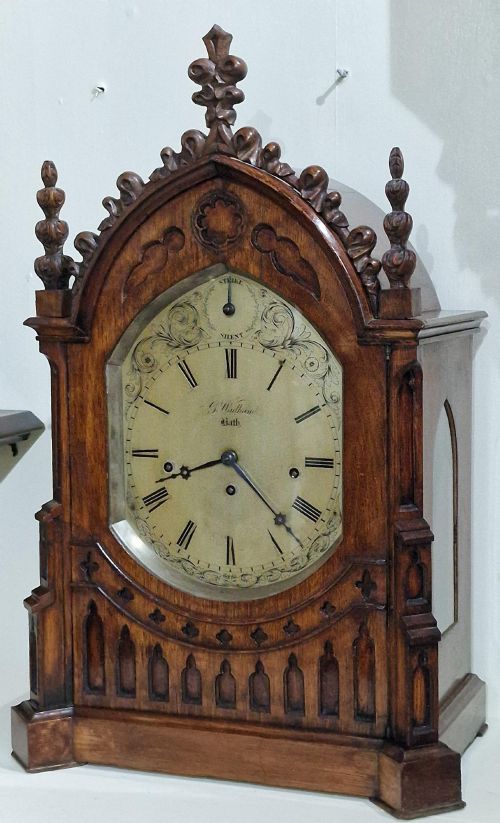
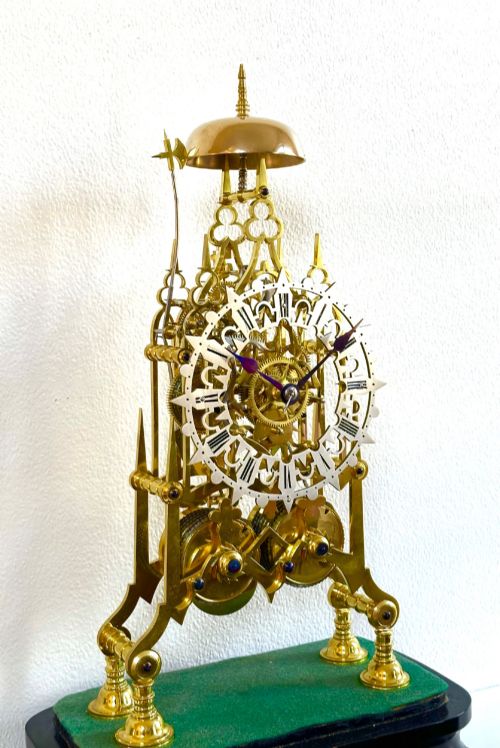
A bell striking clock encompasses diverse forms including bracket clocks, wall clocks, carriage clocks, and longcase clocks.
Makers housed these acoustic movements in ebonised wood, mahogany, oak, brass, and glass cases during the eighteenth and nineteenth centuries.
The buyer meets various iterations from Georgian lantern and bracket pieces to Victorian drop-dial wall clocks and French carriage designs.
Materials and Construction
Craftsmen utilised durable metals like brass and steel for gear trains and striking mechanisms, pairing them with bronze or ormolu mounts.
Cabinetmakers enclosed movements in polished hardwoods such as mahogany, rosewood, oak, and ebonised timber, frequently adding glass panels or enamel dials.
Some carriage clocks arrived with miniature travel chests so Victorian owners could transport their auditory timekeepers across rough roads without losing a minute.
Judging Quality and Execution
Superior examples display refined hand-finishing on movement plates and crisp engraving on brass dials, reflecting the standing of the horologist.
Case construction separates ordinary items from exceptional ones through precise joinery, restrained inlay work, and well-proportioned architectural timber elements.
Paul Garnier·Dwerrihouse And Bell·William Withers·John Fletcher·John Taylor·Isaac Hurley·Thwaites And Reed·Drocourt
The Bell Striking Clock Glossary
- Fusee
- A conical pulley designed to maintain even power delivery as the mainspring unwinds. This mechanism improves timekeeping consistency throughout the winding cycle.
- Verge escapement
- An early type of escapement utilising a crown wheel and pallet leaves to regulate the swing of the pendulum or balance. It appears frequently in eighteenth-century bracket clocks.
- Carriage clock
- A portable spring-driven timekeeper originally designed for travel during the nineteenth century. These pieces usually feature brass frames with bevelled glass panels.
- Drop-dial wall clock
- A circular dial mounted on an extended wooden trunk designed to house a pendulum and weight or spring drive. They hung in offices, halls, and railway stations.
- Bracket clock
- A portable table or mantel clock originating when shelf placement required secure handles or feet. Eighteenth-century versions often utilised bell-top timber cases.
Bell Striking Clock: Frequently Asked Questions
How do these clocks strike the hours?
A secondary gear train releases a hammer that hits a bronze or brass bell at precise intervals. This mechanical action translates rotational energy into an audible acoustic tone.
Heavier weights or tensioned springs power the striking train independently of the timekeeping train. The countwheel or rack mechanism dictates the exact number of strikes per hour.
What is a twin fusee movement?
A twin fusee movement employs two separate cones and chains to power the timekeeping and striking trains independently. This layout ensures constant torque reaches the escapement.
Clocks featuring this setup generally maintain superior accuracy compared to standard spring-driven alternatives. The configuration requires careful adjustment during routine servicing by a horologist.
Where were wall dial clocks placed?
Drop-dial wall clocks hung in public spaces, offices, and domestic hallways where reliable time visibility was essential. Their prominent circular dials permitted reading from a distance.
Sturdy timber cases protected the suspended pendulums from drafts and accidental bumps. Mahogany and oak variants suited formal municipal buildings and private residences alike.
How do I identify a carriage clock?
Carriage clocks feature rectangular brass frameworks enclosing glass viewing windows that reveal the internal escapement. A folding handle sits atop the case for portability.
Many examples include repeating mechanisms that chime the last hour upon demand. Travel cases often accompanied these portable timepieces during the nineteenth century.