


Bas Relief Plaque
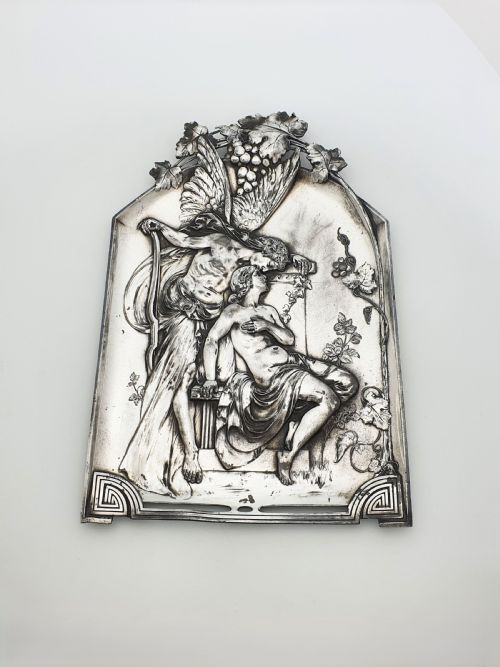
A bas relief plaque brings sculptural depth to a wall, offering profiled figures and classical scenes carved or cast in bronze, marble, wood, and plaster.
Bas Relief Plaque
A bas relief plaque presents raised sculptural forms that project only modestly from a flat background. When you search for a bas relief plaque, you encounter pieces designed primarily for wall display, spanning centuries of craftsmanship.
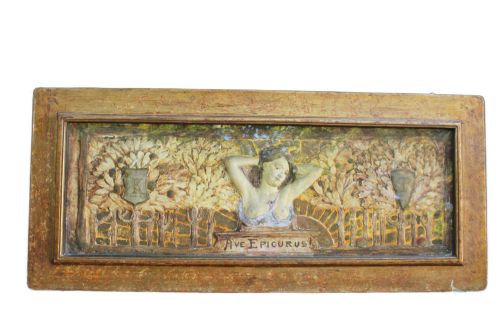
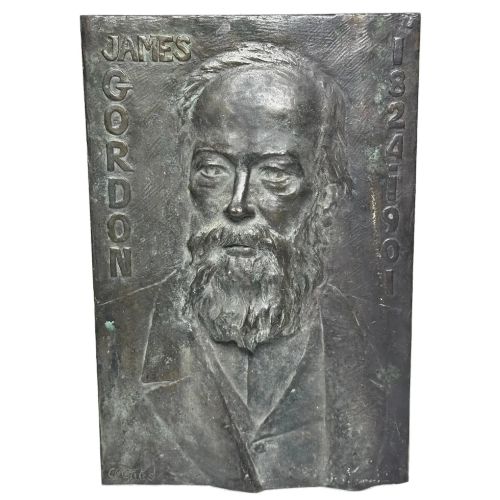
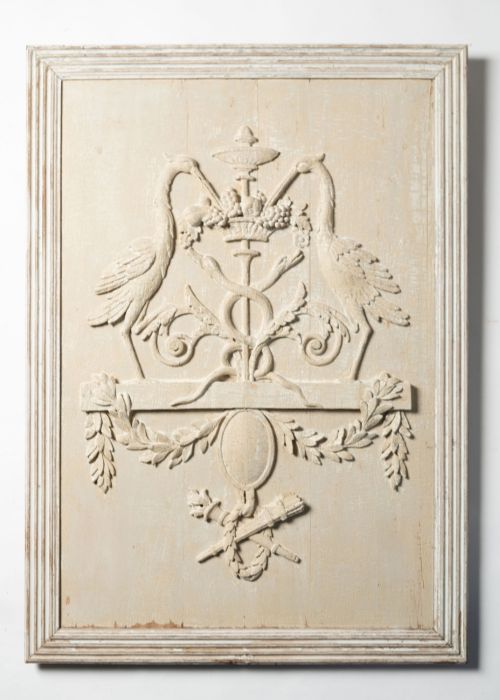
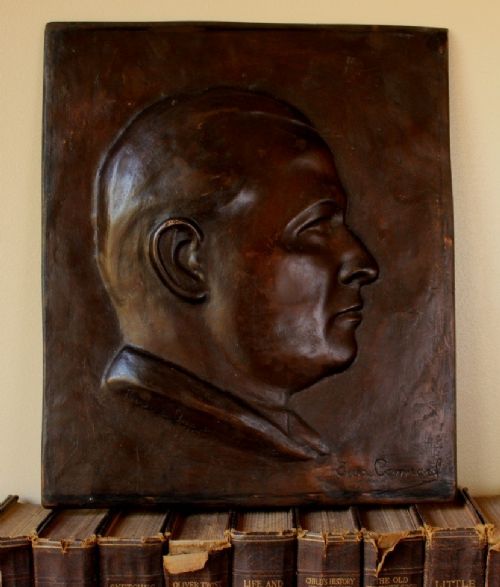
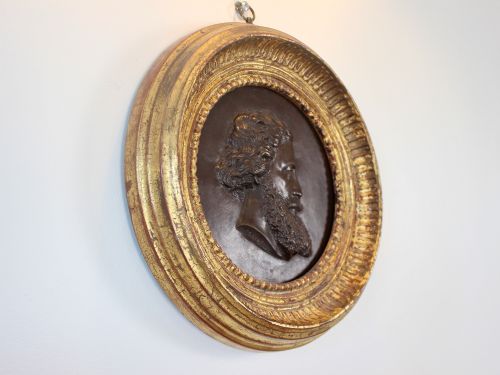
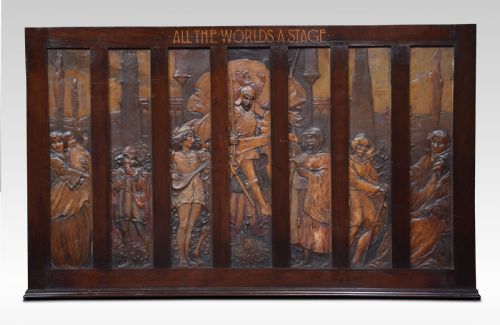
The selections here range from nineteenth-century bronze portraits and eighteenth-century carved wooden panels to delicate plaster casts and jasperware cameos. Neoclassical motifs and Renaissance revival subjects appear frequently across these wall-mounted works.
The forms vary from intimate portrait profiles to architectural scenes and figurative compositions. Most examples function as independent wall art or framed decorative panels meant to catch natural light from the side.
Materials and construction methods
Metal versions rely on casting techniques, utilising bronze, copper, or silver plating over base metals to capture fine details in hair, drapery, and lettering. Artisans frequently chased and finished these metal surfaces by hand after the foundry work concluded.
Carved pieces utilise dense woods such as walnut and oak, alongside alabaster and marble, shaped with chisels and gouges to create subtle planes. Plaster and gesso compositions offer another method, often cast from moulds to reproduce classical sculptures and religious subjects.
Many works incorporate frames of giltwood or carved timber, securing the central relief panel behind glass or mounting it directly onto wooden boards for stability.
Materials across these listings span bronze, wood, plaster, oak, gesso, giltwood, copper, and jasperware.
Markers of distinction
The presence of a clear artist signature, foundry mark, or period attribution elevates a piece significantly. Materials also dictate standing, with hand-carved marbles and heavy chased bronzes occupying the upper tiers compared to standard plaster reproductions.
Eugene Canneel·Kasper Hendrik Roskam·Gian Federigo Bonzagna·Alice Gates
The Bas Relief Plaque Glossary
- Bas relief
- A sculptural technique where the figures project minimally from the background plane. This method creates a sense of depth without resorting to full three-dimensional sculpture.
- Jasperware
- A type of fine stoneware developed by Josiah Wedgwood, typically featuring matte white classical reliefs applied against a coloured ground. It remains distinct for its smooth texture and cameo effect.
- Grand Tour
- A traditional trip through Europe undertaken by upper-class young men during the eighteenth and nineteenth centuries. Souvenirs from these journeys frequently included carved marble and bronze portrait plaques.
- Gesso
- A plaster-like mixture applied to wood or canvas surfaces as a base for moulding or gilding. It allows artisans to shape intricate decorative relief details before finishing.
- Maquette
- A small-scale preliminary model or sketch for a larger sculpture. These trial pieces often reveal the direct hand of the artist before final casting.
Bas Relief Plaque: Frequently Asked Questions
How do I hang a heavy bronze or marble plaque?
Heavy plaques require secure wall anchors and appropriate load-bearing brackets rated for the specific weight of metal or stone. Avoid relying on simple picture wire unless the piece includes robust, integrated suspension loops designed for that purpose.
Ensure the hanging height allows the central imagery to sit at eye level, where side lighting can properly accentuate the raised contours of the relief.
What is the difference between a medallion and a plaque?
Medallions generally follow a circular or oval format and were historically issued to commemorate people, events, or military achievements. They are often small enough to be held in the hand or worn, though many are framed for wall display.
Plaques encompass a broader range of rectangular and irregular shapes intended specifically for architectural or wall mounting as decorative art.
How should I clean an antique plaster relief?
Plaster is porous and fragile, meaning water and chemical cleaners will permanently damage the surface. Dust gently using a very soft, dry artist's brush or a clean microfibre cloth without applying pressure.
Keep plaster pieces away from high humidity and direct moisture to prevent softening or discolouration of the material over time.
Are bronze plaques usually solid or hollow?
Many smaller nineteenth-century portrait plaques were cast as solid metal panels to provide sufficient weight and rigidity for mounting. Larger sculptural reliefs are often hollow-cast to reduce overall weight while maintaining structural integrity.
Examining the reverse side typically reveals whether the piece is a solid casting or an open-backed hollow form.