





Baroque Woven Tapestry
Baroque woven tapestry works bring monumental textile art into a room, offering rich historical scenes and verdant landscapes woven in wool and silk.
Baroque Woven Tapestry
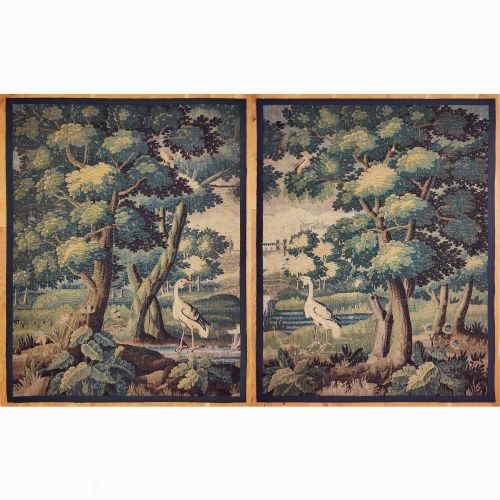
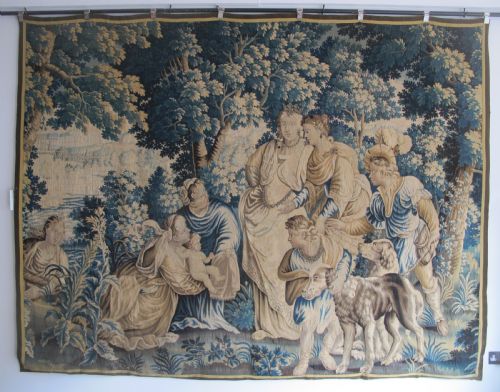
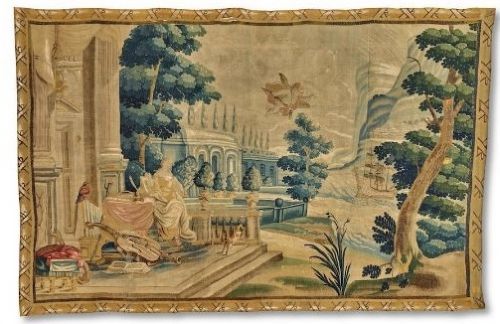
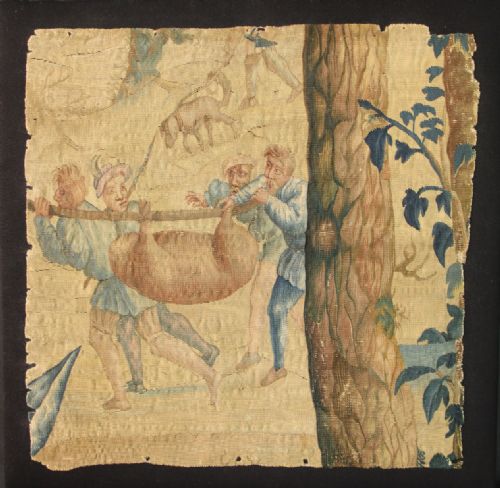
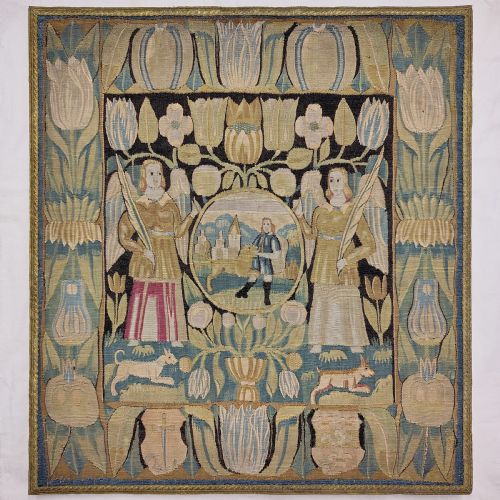
When you search for baroque woven tapestry, you encounter large-scale wall hangings, panels, and smaller fragments originating from the seventeenth century. These textile works depict mythological narratives, biblical scenes, and dense verdure landscapes populated by foliage and game parks.
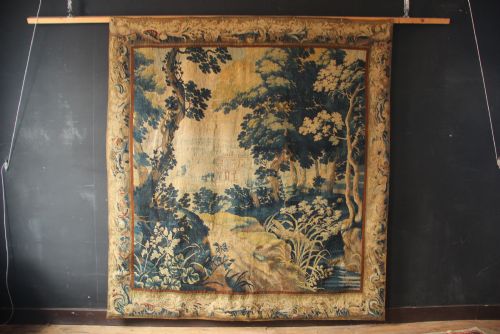
The most common examples on this page are Flemish and French verdure tapestries from the late seventeenth century, alongside smaller decorative cushion covers. Pieces range from grand room-sized wall tapestries to narrow panel formats and surviving fragments mounted for display.
How they were made
These textiles combine wool, silk, and linen threads woven on high-warp or low-warp looms by skilled weavers working in major European centres. The interplay of dyed wool and lustrous silk creates depth and texture within the foliage, architectural elements, and figures.
Many panels incorporate wooden stretchers or frames for wall mounting, while smaller items such as cushion covers utilise durable backing materials and glass or wood components in associated displays.
Current listings feature seventeenth-century works spanning Flemish, French, and North German origins, executed in wool, silk, and linen.
What varies in quality
The distinction between average and exceptional examples lies in the complexity of the design, the fineness of the weave, and the preservation of the original dye colours. Superior pieces exhibit intricate detailing in mythological figures and dense botanical foliage, whereas simpler works rely on repetitive verdure patterns.
Survival of materials heavily influences a piece, with intact silk highlights and minimal later restoration elevating the historical and aesthetic standing of a wall hanging or fragment.
The Baroque Woven Tapestry Glossary
- Verdure tapestry
- A wall hanging dominated by landscape motifs, trees, foliage, and animals rather than human narratives. These pastoral scenes often feature stylised woodlands and distant chateaux.
- Flemish baroque
- A regional style originating in Flanders during the seventeenth century, characterised by dramatic movement, rich colour palettes, and theatrical composition. These works heavily influence the surviving corpus of large wall tapestries.
- Tapestry fragment
- A surviving portion of a larger historical wall hanging, cut down or preserved after damage to the main textile. Fragments allow collectors to own authentic seventeenth-century weaving at a manageable scale.
- Aubusson
- A French town renowned for its production of woven tapestries and carpets, particularly during the seventeenth century. Aubusson pieces often balance mythological subjects with delicate floral borders.
Baroque Woven Tapestry: Frequently Asked Questions
How do I hang a large tapestry?
Large wall tapestries require even weight distribution along the upper edge to prevent stretching the historic fibres. Professional conservators typically attach a heavy-duty cotton velcro heading or a concealed fabric sleeve supported by a flat wooden batten.
Position the textile away from direct sunlight and heat sources to protect the wool and silk dyes from fading over time.
What is a verdure tapestry?
A verdure tapestry depicts a lush, plant-filled landscape featuring stylised trees, heavy foliage, and occasionally birds or game animals. These scenes served as portable forests that brought nature into seventeenth-century interiors.
They offer a tranquil alternative to dramatic mythological or biblical narrative scenes while maintaining the same scale and weaving technique.
Where were these tapestries woven?
Production centred primarily in workshops across Flanders, France, and northern Germany during the seventeenth century. Major weaving hubs included Brussels and Aubusson, where master weavers produced monumental works for aristocratic patrons.
Smaller regional centres also contributed domestic items such as cushion covers and narrow decorative panels.
Are tapestry cushions original?
Tapestry cushion covers from this period are frequently fashioned from surviving panel fragments or smaller contemporary weaving sections. These pieces were assembled using period or later backing materials to create functional soft furnishings.
They provide an accessible way to live with seventeenth-century textile art without hanging a full wall panel.