

Baroque Wooden Carving
A baroque wooden carving brings dramatic theatricality and dynamic movement into a room.
Baroque Wooden Carving
When you search for baroque wooden carving, you encounter substantial furniture, religious figures, architectural fragments, and decorative panels spanning several centuries. These pieces originate from various European regions including Italy, Spain, France, and Flanders.
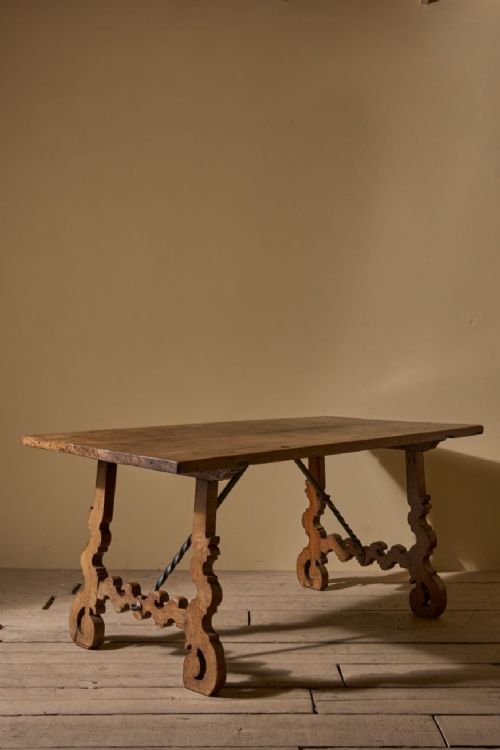
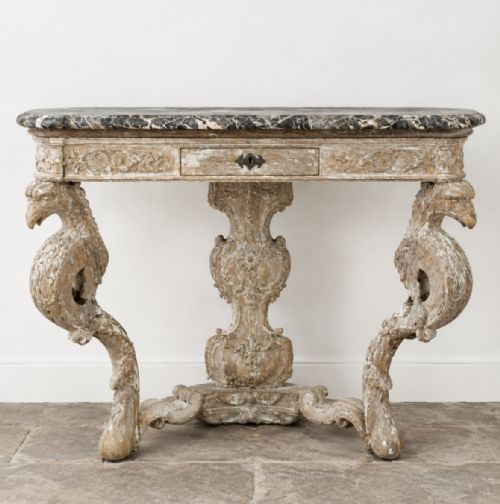
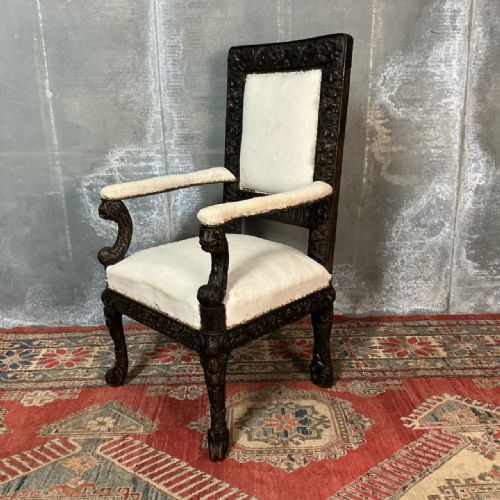
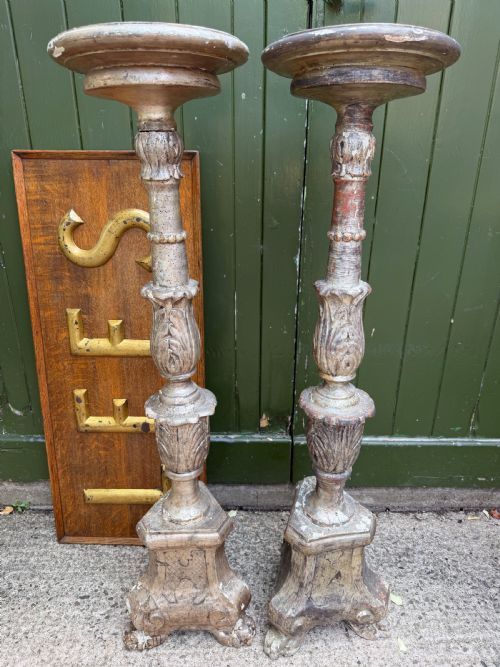
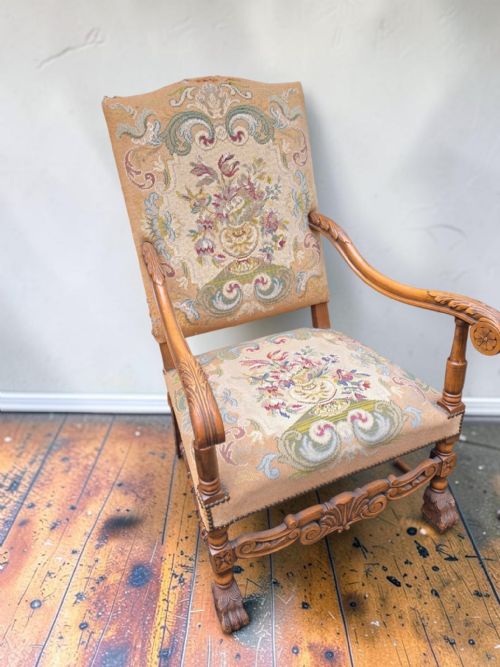
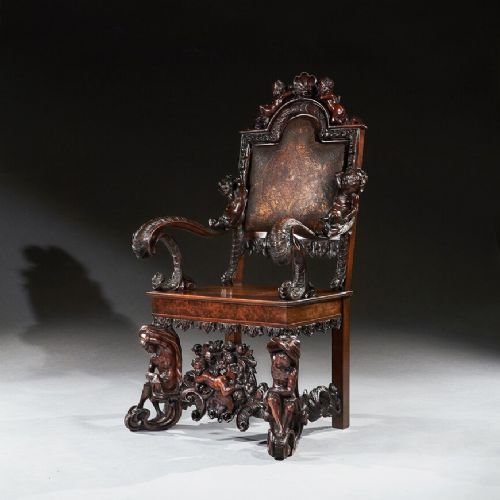
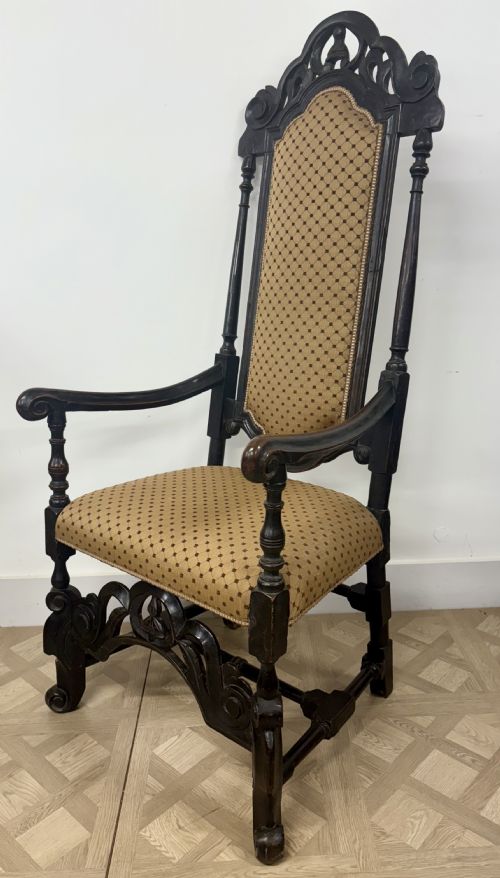
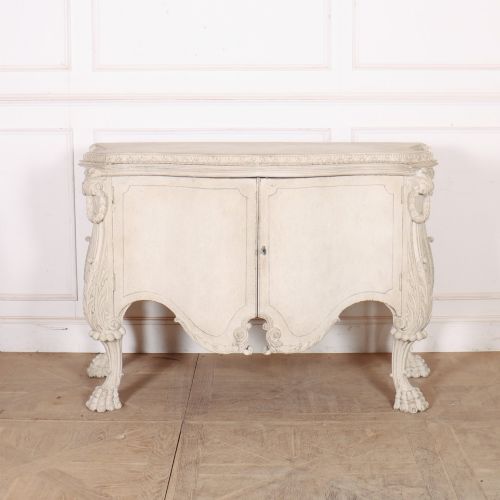
You are most likely to meet 18th-century walnut or oak items, alongside 17th-century devotional sculptures and later revival seating. Common forms include console tables, armchairs, torcheres, wall brackets, and panels.
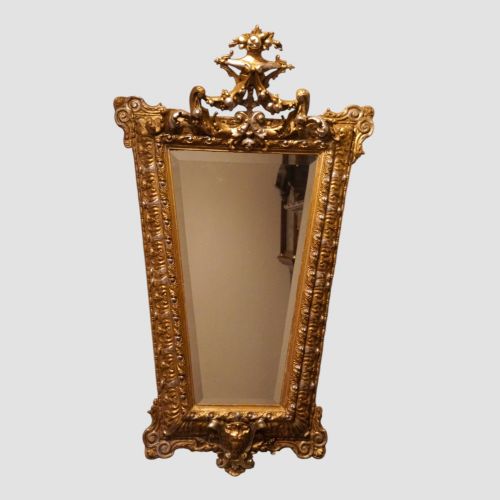
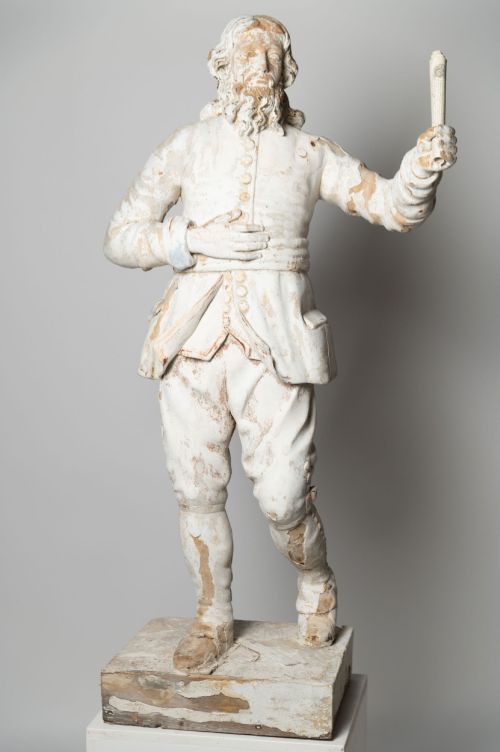
The selection ranges from life-sized figures and architectural elements to mirrors and small decorative panels. Each piece reflects the rich ornament and emotional intensity characteristic of the period.
How they were made
Carvers shaped these items primarily from native hardwoods such as oak, walnut, chestnut, and olive wood. These timbers provided the dense, stable foundation necessary for deep, intricate relief work and structural figures.
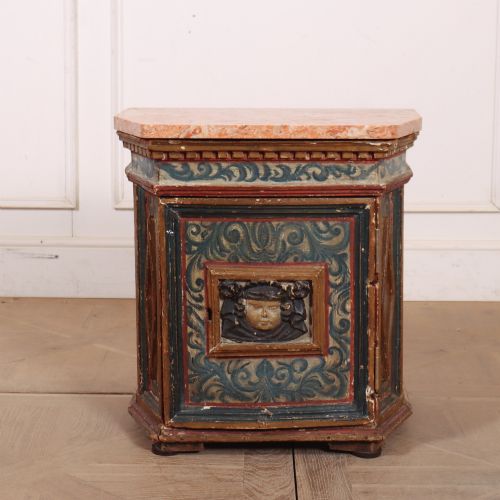
Artisans frequently enhanced the timber surfaces with gesso, gold leaf, silver-gilt, or polychrome paint. This layered application of colour and metallic leaf accentuated the dramatic interplay of light and shadow across the carved forms.
Objects range across the seventeenth, eighteenth, and nineteenth centuries, featuring both continental European origins and revival styles.
What varies in quality
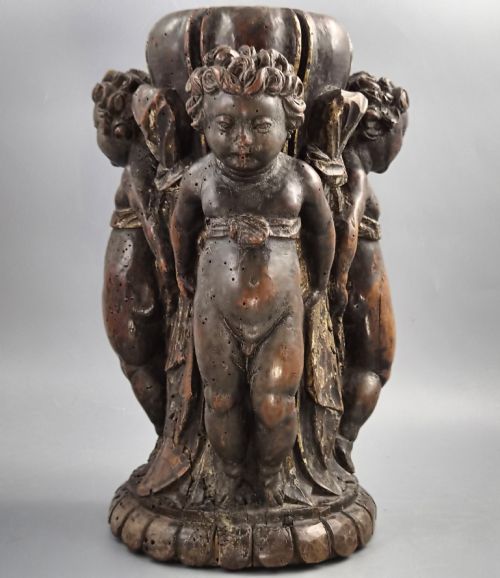
The depth and fluidity of the chisel work distinguish superior carvings from simpler production. Master carvers achieved a sense of organic movement and anatomical conviction, particularly in figures such as putti, saints, and cherubs.
The integrity of the original surface preparation, whether gold leaf or polychrome paint, heavily influences the visual impact. Pieces retaining their early or original finishes command greater attention from collectors than later repainted surfaces.
Andrea Brustolon
The Baroque Wooden Carving Glossary
- Torchiere
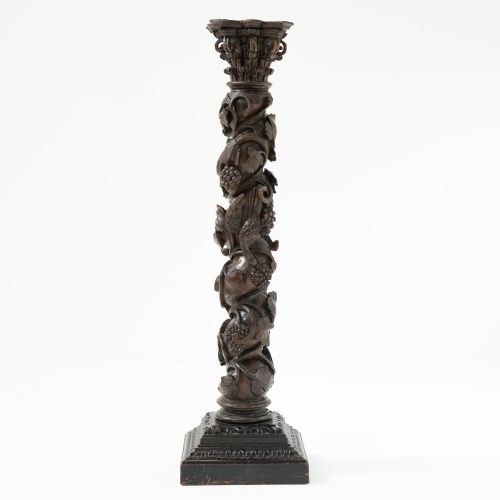
- A tall stand or pedestal originally designed to hold a candle or torch. These are frequently carved with twisting columns or figural supports.
- Polychrome
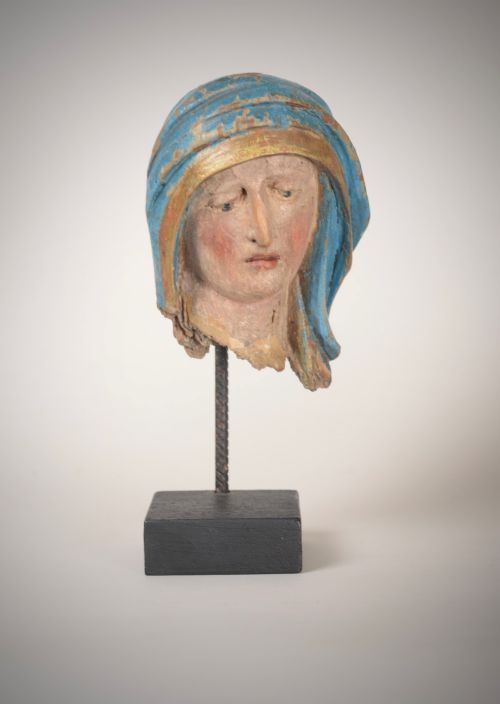
- Painted in several colours. This finish is often found on wooden sculptures and panels from religious contexts.
- Giltwood
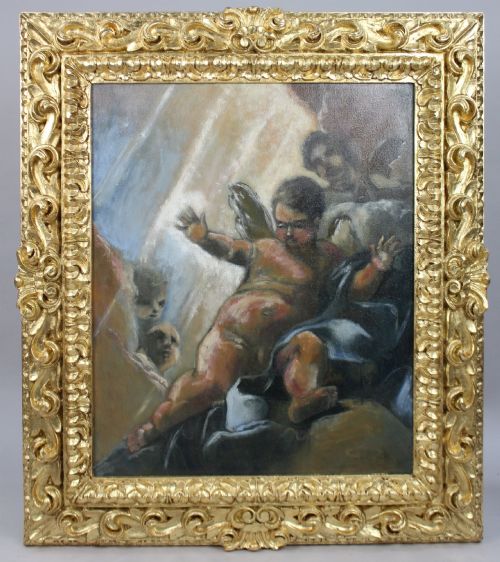
- Wood that has been coated with gold leaf or gold paint. It creates a reflective, opulent surface common in high-status furniture and frames.
- Solomonic
- A term describing a twisted, spiral column shape. This form adds dynamic vertical movement to furniture and architectural elements.
- Putto
- A figure of a small chubby male child, often winged. They appear frequently as decorative motifs in religious and secular carvings.
Baroque Wooden Carving: Frequently Asked Questions
What is a baroque wooden carving?
A baroque wooden carving is a decorative or functional object shaped from timber during the seventeenth or eighteenth centuries, or within later revival periods. These items emphasise movement, deep relief, and theatrical forms.
You will find everything from monumental console tables and armchairs to ecclesiastical sculptures, panels, and architectural fragments originating across continental Europe.
How were these carvings used originally?
Many of these pieces served religious functions in churches and chapels, acting as altarpieces, missal stands, figures of saints, or crucifixes. Others formed part of opulent domestic interiors.
Secular items like console tables, torcheres, armchairs, and mirrors furnished grand European residences, demonstrating the status and taste of their owners through rich ornamentation.
How do I live with a wooden carving?
Integrating these pieces into modern spaces works best when you allow them to serve as focal points. Pair a carved panel, mirror, or chair with simpler surroundings to highlight the depth of the wood.
Keep the items away from direct heat sources and dramatic humidity fluctuations to protect the timber and any historic gesso, gilding, or polychrome paint.
How do I tell periods apart?
Seventeenth-century pieces often display heavier proportions and deeply religious subjects, reflecting the height of the movement. Eighteenth-century examples frequently introduce lighter, more flowing lines or regional variations in walnut and oak.
Revival pieces from the nineteenth and early twentieth centuries emulate these earlier styles, often utilising machine assistance alongside hand finishing, which helps separate them from original period items.