

Antique Putti Sculptures
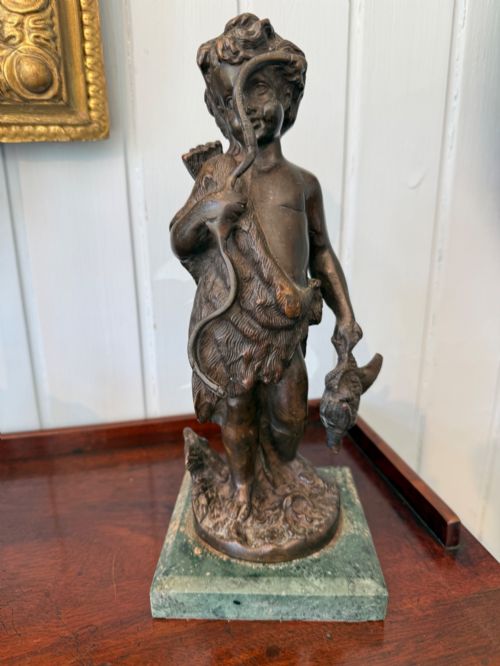
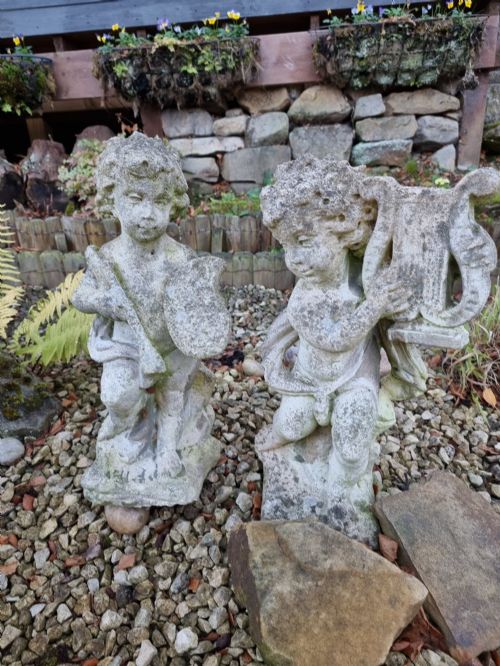
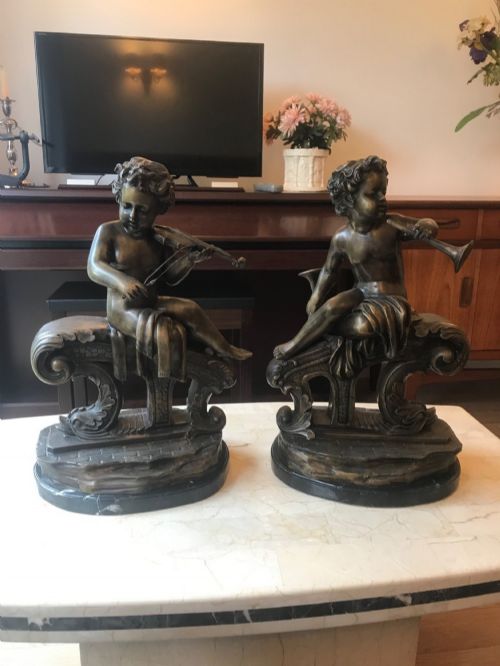
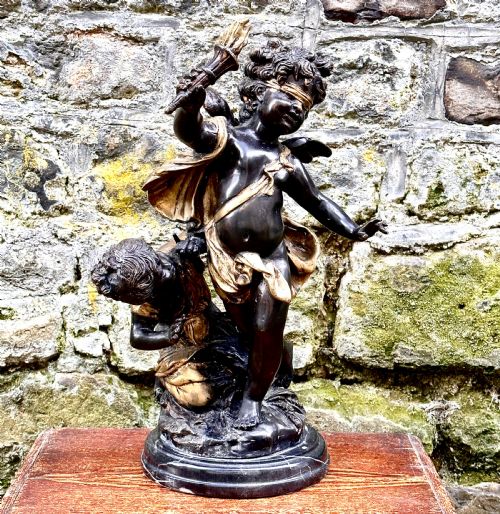
Antique putti sculptures capture winged infant forms derived from classical tradition, appearing in bronze, marble, and carved wood to ornament domestic and garden spaces.
Antique Putti Sculptures
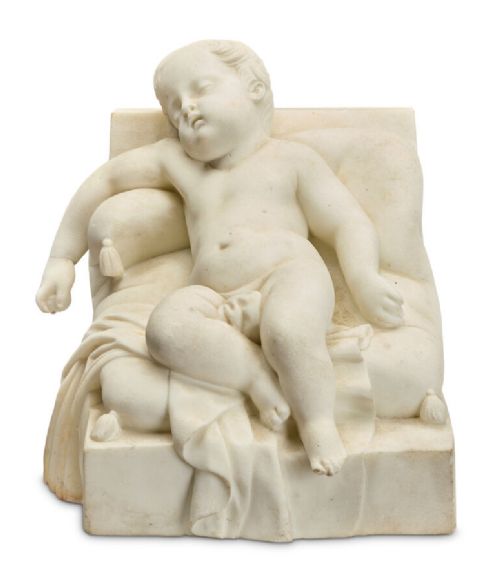
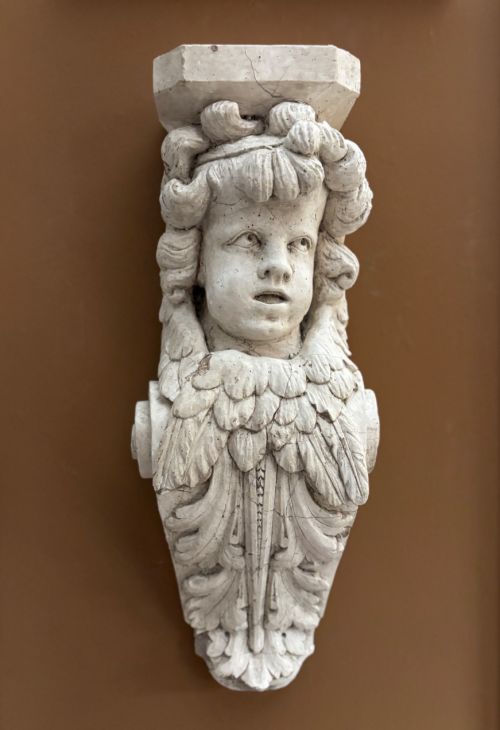
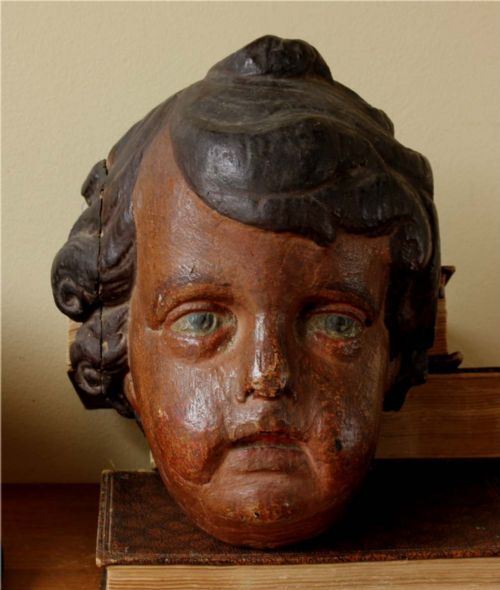
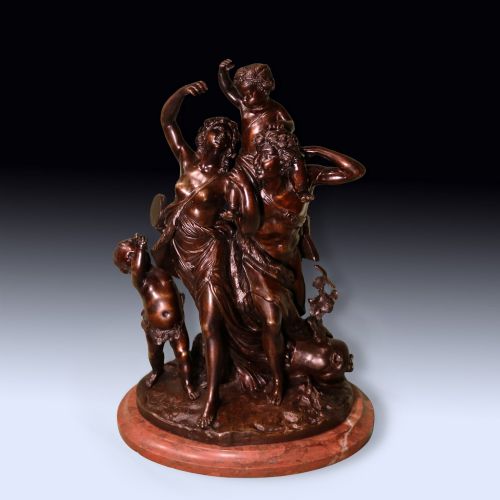
When buyers search for antique putti sculptures, they encounter representations of winged infant boys, cherubs, and cupids drawn from classical mythology and religious art. These figures appear across various formats, including freestanding bronze statuary, carved wood architectural elements, and porcelain figurines.
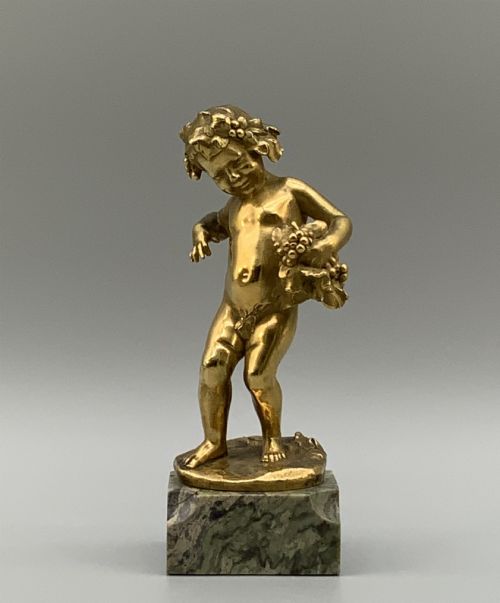
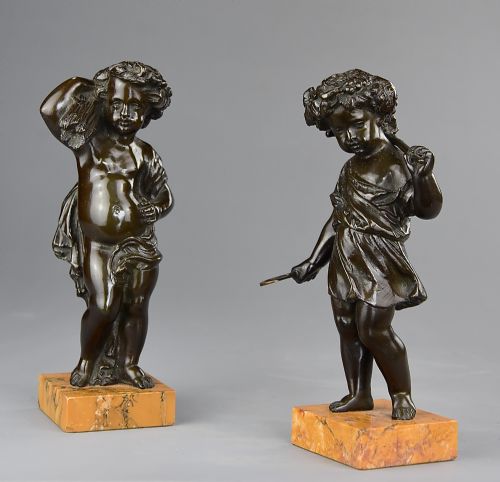
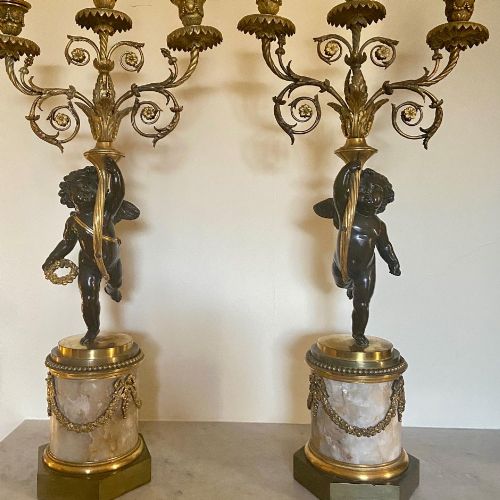
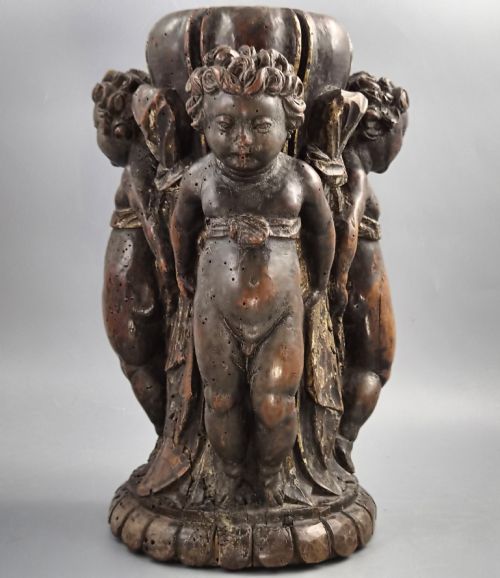
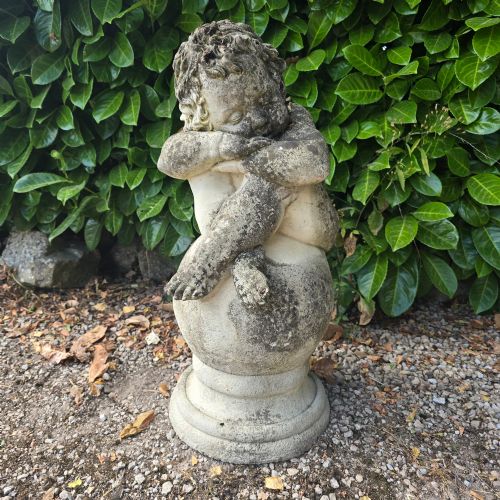
The selections available here range from Italian Grand Tour bronzes and French ormolu mounts to weather-resistant garden statues and carved wooden corbels. Eighteenth-century and nineteenth-century pieces dominate the selection, reflecting Neoclassical, Baroque, and Rococo revival tastes.
Collectors find these pieces utilised as finials, candelabra supports, wall sculptures, and standalone decorative figures. The enduring appeal lies in their capacity to embody both playful mythological narratives and serious academic sculpture traditions.
Materials and Construction
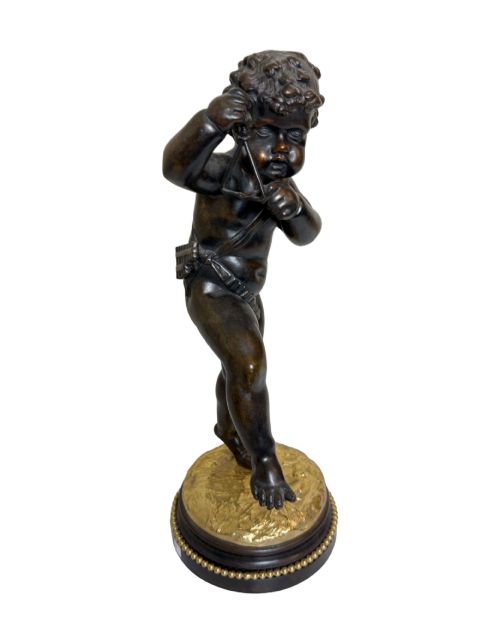
Metal versions rely on traditional foundry methods, utilising bronze, patinated bronze, and gilt bronze or ormolu. These metalworks often incorporate chased surface details and are mounted upon marble bases.
Many nineteenth-century bronzes draw inspiration from earlier masters, employing lost-wax casting or sand casting techniques to replicate classical proportions and dynamic movement.
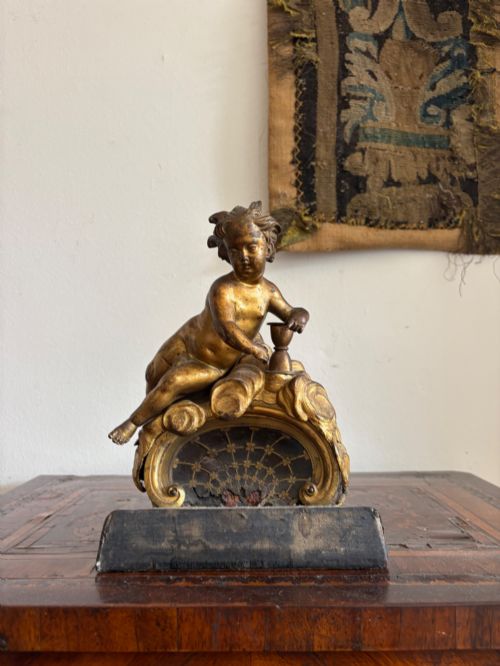
Object forms include garden statuary, architectural wall corbels, clock mounts, and porcelain figurines modelled by European factories.
Assessing Quality and Execution
Quality rests in the anatomical precision of the carving or casting, particularly in the rendering of infant limbs, facial expressions, and feather articulation on wings. Superior examples display crisp chasing on metal surfaces and fluid, naturalistic modelling rather than static or rigid posture.
The depth of the material finish dictates visual success, such as the richness of patination on bronze or the subtlety of gilding and parcel-gilt details on wood. Architectural fragments and mounted ornaments derive value from the crispness of the original carving and the integrity of the surviving material.
Charles Louis Malric·Susse Freres·Claude Michael Clodion·Francois Redmond·Grinling Gibbons·Antonio Canova·Paul Scheurich·George Kemper·Leon Message·Louis Auguste Moreau
The Antique Putti Sculptures Glossary
- Ormolu
- Ground-free gold cast and chased onto an bronze object, providing a brilliant yellow metallic finish popular in French decorative arts. Also known as gilt bronze.
- Grand Tour
- A traditional trip of Europe undertaken by upper-class European young men of means, resulting in the collection of classical antiquities and small-scale bronze replicas. Italian Grand Tour bronzes are typical souvenirs of this practice.
- Torchiere
- A tall stand or ornamental floor lamp designed to hold a light source upward, often supported by carved figures.
- Pediment
- A triangular or curved architectural element above a door, window, or internal joinery, frequently embellished with carved wooden putti.
Antique Putti Sculptures: Frequently Asked Questions
What distinguishes a putto from a cherub?
Putti originate in classical pagan art as mythological infant spirits, whereas cherubs belong to biblical tradition as celestial beings. In decorative arts, the terms are frequently used interchangeably to describe winged infant figures.
Historically, putti embody secular themes of love and harvest, while cherubs often appear in religious contexts, though both share identical visual representations in sculpture.
How do I date an antique bronze putto?
Dating relies on examining the casting technique, the quality of the patination, and the style of the mounting base. Nineteenth-century casts often exhibit smoother underside finishes and specific alloy compositions compared to earlier examples.
Signatures, foundry marks, and stylistic adherence to periods like the French Rococo Revival or Italian Baroque provide further chronological markers.
Were these figures meant for indoor or outdoor use?
The intended placement depends entirely on the material and period of the specific sculpture. Bronze, lead, and carved stone variations served as garden statues and architectural fountain ornaments.
Conversely, gilt bronze, porcelain, and carved wood examples were strictly interior decorative items, designed for mantelpieces, clocks, and salon furnishings.
How should I clean antique bronze sculptures?
Maintenance requires only gentle dusting with a soft, dry cloth to preserve the historical surface layer. Chemical cleaners and abrasive polishes strip away original patination and devalue the piece.
Consulting a specialist conservator is recommended if deeper cleaning or wax application becomes necessary for metal or wood preservation.