



Rococo Cherub Statues
These rococo cherub statues bring theatrical movement and classical figures into interior spaces with remarkable sculptural presence.
Rococo Cherub Statues
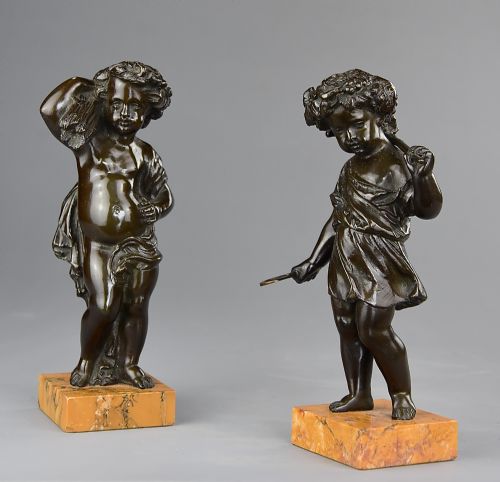
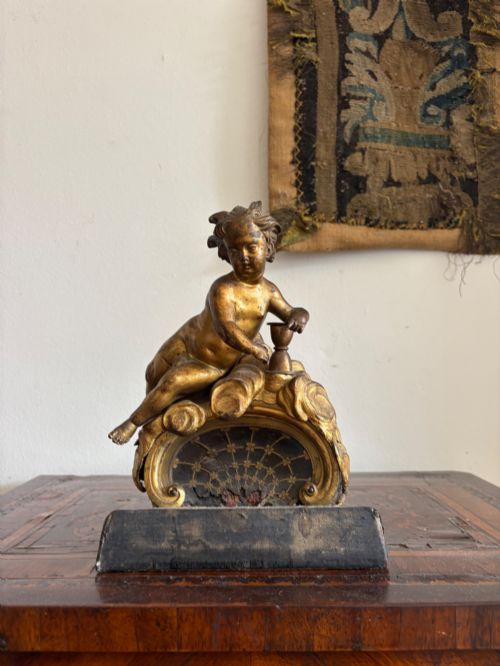
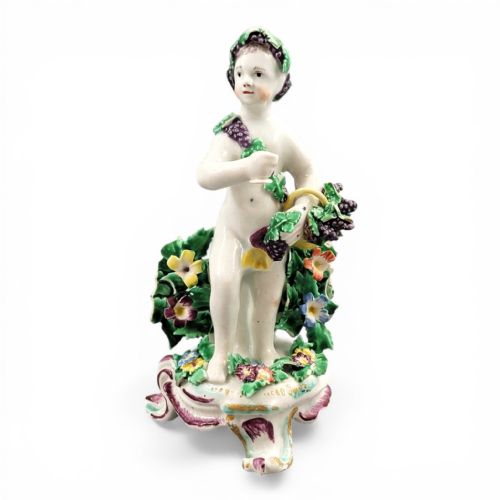
When searching for rococo cherub statues, buyers encounter sculpted figures of putti, cherubs, and allegorical subjects spanning the eighteenth to the twentieth centuries. These pieces appear as standalone bronzes, porcelain figurines, carved wooden figures, and decorative mounts.
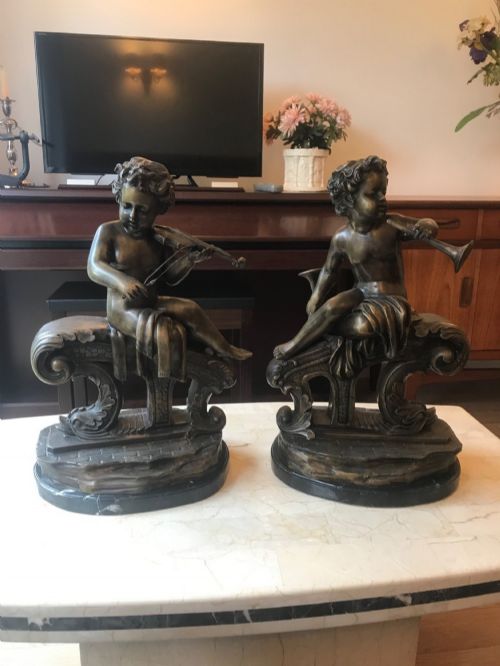
The selections available lean heavily into nineteenth-century revivals of French rococo styles, often taking the form of pairs depicting musicians, dancers, or allegorical seasons. Many of these sculptural works reference the lively compositions associated with classical models.
Formats vary from small finial ornaments and porcelain table pieces to larger bronze statuettes and figures mounted onto marble bases or converted into lighting. Collectors find both cabinet-sized figures and more substantial decorative ornaments.
How they were made
Bronze figures are produced through traditional casting methods, often finished with gilt bronze or ormolu surfaces to highlight the intricate scrollwork and dynamic drapery. Marble plinths frequently provide stable bases for these heavier metal sculptures.
Ceramic examples utilise soft-paste porcelain and enamel painting techniques, capturing fine facial expressions and delicate gestures. Carved wooden pieces employ gesso and polychrome paint layers to achieve rich surface decoration and texture.
Rococo Cherub Statues Retail Price Guide 2026
Typical asking prices for rococo cherub statues among the pieces listed under this phrase on Sellingantiques today, from the lower quarter to the upper quarter. They describe what is for sale here now, not the wider market.
Listings feature works spanning the eighteenth, nineteenth, and twentieth centuries, executed in bronze, soft-paste porcelain, and carved wood.
What varies in quality
Integration between the figure and its mount also defines the grade of an object, particularly where bronzes meet marble plinths or where mounts are applied to larger furnishings. Original surface patination and intact polychrome or gilt layers preserve the intended visual impact.
Claude Michael Clodion·Meissen
The Rococo Cherub Statues Glossary
- Putto
- A plump, naked male infant figure frequently found in classical and rococo art. These figures often appear with wings or as allegorical representations.
- Ormolu
- Finely ground high-carat gold applied to a bronze base using a mercury amalgam technique. This creates a brilliant, durable golden finish characteristic of French decorative arts.
- Rococo Revival
- A nineteenth-century design movement that reinterpreted the asymmetrical scrolls, shell motifs, and exuberant curves of the eighteenth-century French style. It dominates many later interpretations of cherub figures.
- Soft-Paste Porcelain
- An artificial porcelain paste fired at lower temperatures than hard-paste, producing a warm glaze and a slightly softer body ideal for detailed eighteenth-century figurines.
- Finial
- A relatively small decorative ornament that terminates the top of an object, furniture piece, or architectural feature. These often take the form of cast bronze cherubs or putti.
Rococo Cherub Statues: Frequently Asked Questions
What is the difference between a cherub and a putto?
In art historical terms, a putto is a secular chubby infant figure derived from classical antiquity, often representing mythological themes or seasons. Cherubs carry more specific religious connotations, though the terms are frequently used interchangeably in trade descriptions.
Makers across the eighteenth and nineteenth centuries drew on both traditions to create decorative figures for domestic interiors.
How can I tell eighteenth-century bronze from nineteenth-century revival pieces?
Examination of the casting seams, tool marks, and overall patination helps distinguish period production from later revivals. Eighteenth-century pieces often display hand-chasing work that differs in tool rhythm from industrial nineteenth-century methods.
Comparing the style of the base and the composition with documented models from specific workshops also clarifies the date of manufacture.
Were these statues always mounted on marble bases?
Many bronze figures were originally created as standalone sculptures or decorative mounts before being secured to marble plinths by later collectors or retailers. The addition of marble bases became particularly common during nineteenth-century revivals to enhance the display presence of cabinet bronzes.
Some smaller figures were integrated directly into furniture as ormolu mounts rather than standing independently.
How do I care for gilt bronze and ormolu figures?
Gilt bronze surfaces require gentle dusting with a soft brush to prevent the accumulation of abrasive particles in recessed crevices. Polishes and chemical cleaners must be avoided, as they can strip the delicate gold leaf or ormolu layer from the underlying bronze.
Stable indoor humidity levels protect both the metal surfaces and any associated marble or wooden components from environmental stress.