

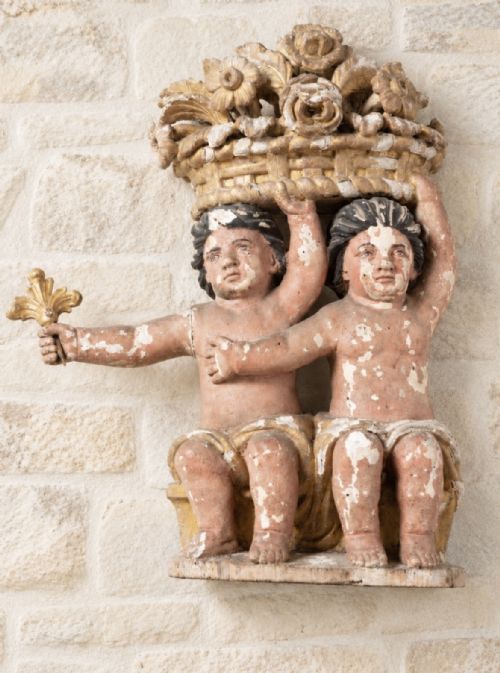


Antique Angel Carving
These wooden, gilt and painted figures bring celestial presence into a room, capturing centuries of devotion in timber, gesso and gold leaf.
Antique Angel Carving
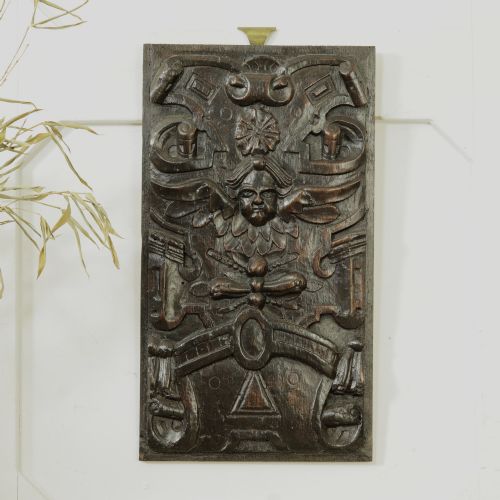
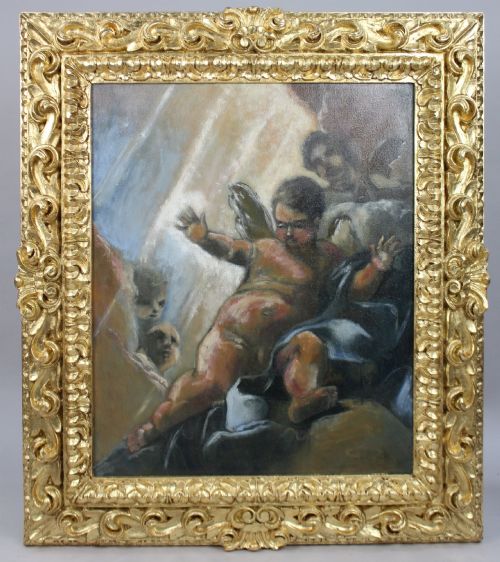
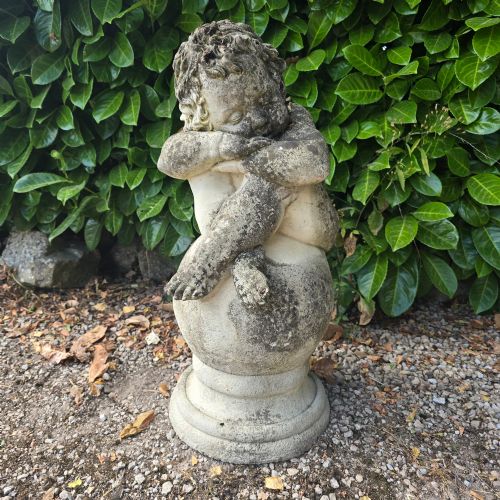
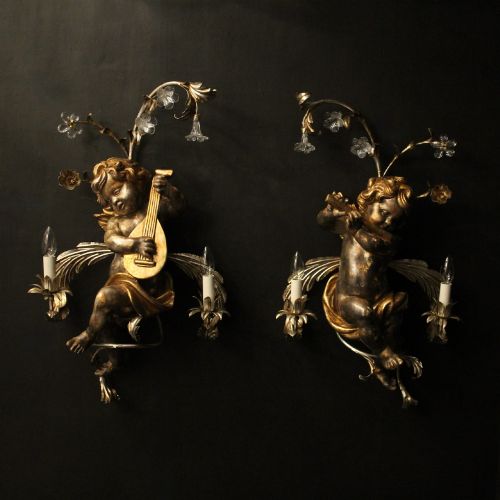
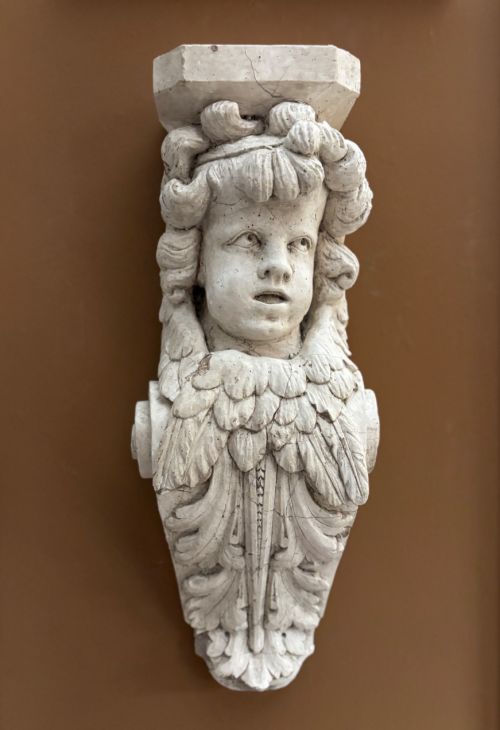
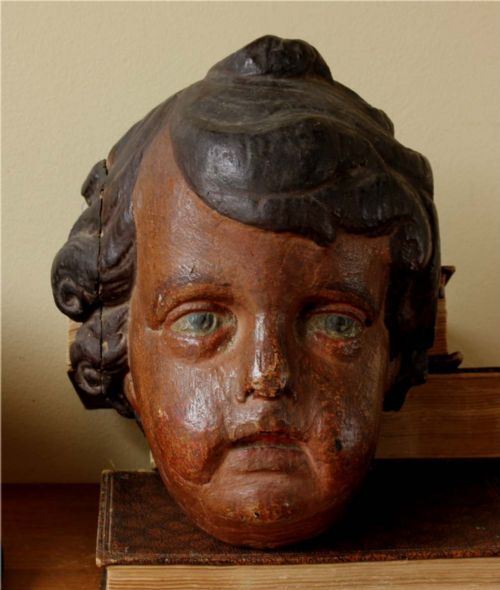
An antique angel carving takes many forms across domestic and ecclesiastical settings, appearing as individual cherub heads, full figures, wall brackets, architectural panels and twin arm wall lights. When searching for this phrase, collectors encounter items spanning the seventeenth to the nineteenth centuries, with origins deeply rooted in Italian and French ateliers.
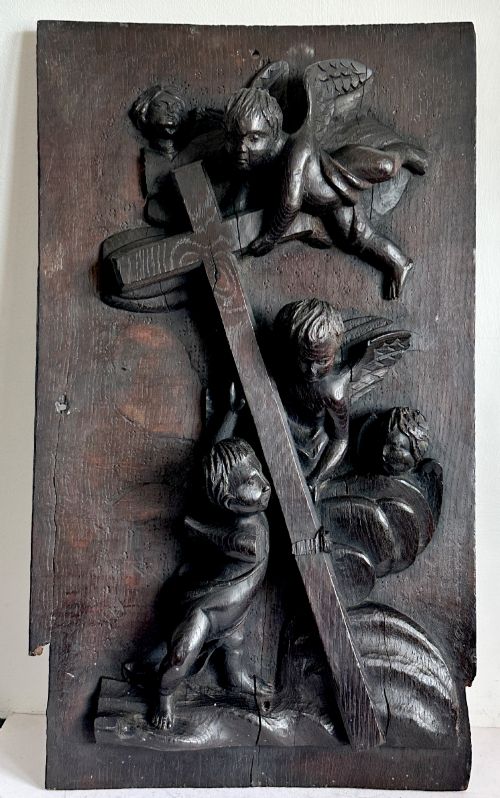
The materials reflect traditional craftsmanship, ranging from heavily grained oak panels to carved pine and hardwood figures finished with polychrome paint, silvering or gold leaf. Many survivors originated as altar ornaments, architectural fragments from churches or decorative elements within Baroque domestic interiors.
Wall brackets, corbels and relief panels dominate the selections, alongside sculptural fragments of saints and putti mounted on clouds. These pieces span revivals from Renaissance styles to Victorian neoclassical interpretations, offering both freestanding statues and wall-mounted pieces.
Materials and construction methods
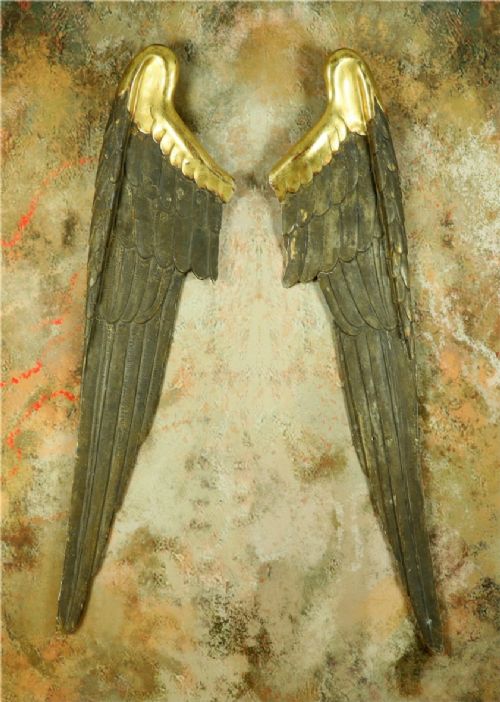
Surface decoration involved applying gesso directly onto the timber to build up smooth contours before laying down gold leaf or applying polychrome paint layers. Gilding techniques often employed bole grounds beneath the metal leaf, while painted surfaces used natural pigments that weathered over time.
Some winged cherubs spend centuries holding up roof beams before retiring to a quiet life on a living room wall.
Distinctions in quality and execution
The crispness of the carver's chisel work separates standard production pieces from master-level execution, particularly in the rendering of facial expressions, hair strands and feathered wings. Superior examples display anatomical understanding and depth in high-relief carving rather than flat, generalized shaping.
The preservation of original surface finishes dictates the integrity of a piece, with undisturbed polychrome pigment or intact original gilding holding greater aesthetic weight than later overpainting or stripped timber.
The Antique Angel Carving Glossary
- Putto
- A representation of a human infant, usually winged, found frequently in Renaissance and Baroque art. These figures often appear as cherubs supporting architectural elements.
- Gesso
- A plaster mixture applied to wood surfaces to prepare them for painting or gilding. It provides a smooth base for laying gold leaf.
- Polychrome
- The practice of decorating architectural elements, sculptures or woodwork in a variety of colours. Painted finishes on wood often combine pigments with oil or tempera binders.
- Giltwood
- Wood that has been coated with a thin layer of gold leaf or powder. This finish was common in Baroque and neoclassical interior decoration.
- Corbel
- A structural piece of stone, wood or metal jutting from a wall to carry a weight. In woodworking, these often take sculptural forms such as angels or cherubs.
Antique Angel Carving: Frequently Asked Questions
How were antique angel carvings used?
These carvings served multiple functions in both religious and secular spaces, frequently decorating church altars, choir stalls and architectural facades. Many originated as structural elements like wall brackets, corbels or furniture appliques.
Over subsequent centuries, collectors removed these items from their original architectural context to display them as independent wall sculptures or cabinet pieces in domestic interiors.
How do I identify the period of an angel carving?
Dating relies heavily on the tool marks left by the carver, the choice of timber and the composition of the underlying gesso. Seventeenth-century examples often employ dense oak with deep, robust relief work reflecting Baroque sensibilities.
Later nineteenth-century revival pieces frequently utilise softer woods and display machine-assisted preparation beneath hand-finished surfaces. Comparing the stylistic conventions of Italian and French workshops helps narrow the origin.
Are these carvings made of solid wood?
The majority of these pieces consist of solid hardwoods or softwoods carved from a single block or joined sections of timber. Oak, pine and fruitwoods appear regularly across the surviving inventory.
Surface treatments like gesso and gold leaf sit directly on top of this wooden substrate to build up fine sculptural details without altering the core structure.
How should I care for a wooden angel carving?
Maintenance requires keeping the object away from direct sunlight and sources of heat to prevent the wood from drying out and splitting. Stable indoor humidity protects both the timber substrate and fragile layers of gesso and gold leaf.
Dusting should occur gently with a soft, dry brush, avoiding water, chemical cleaners or polishes that might damage historic painted or gilded surfaces.