




18th Century Putti Sculpture
These 18th century putti sculpture pieces are carved figures of winged infants that bring classical mythology and religious narrative into interior spaces.
18th Century Putti Sculpture
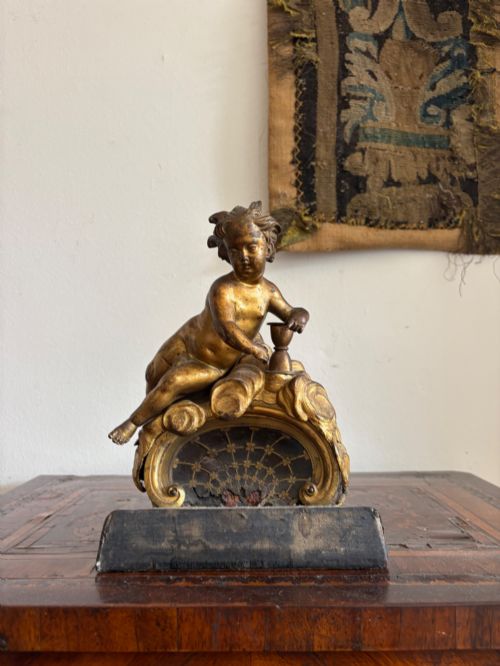
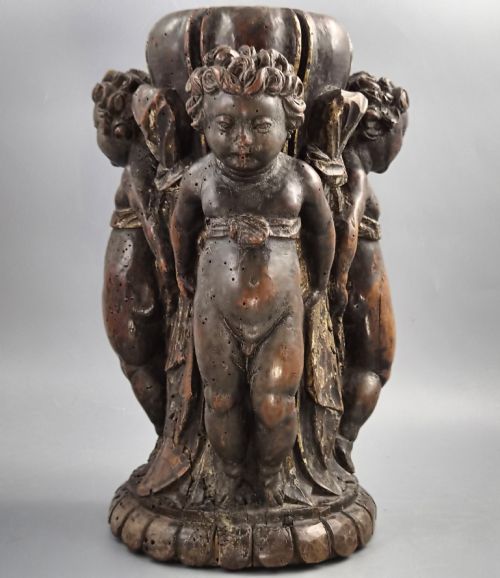
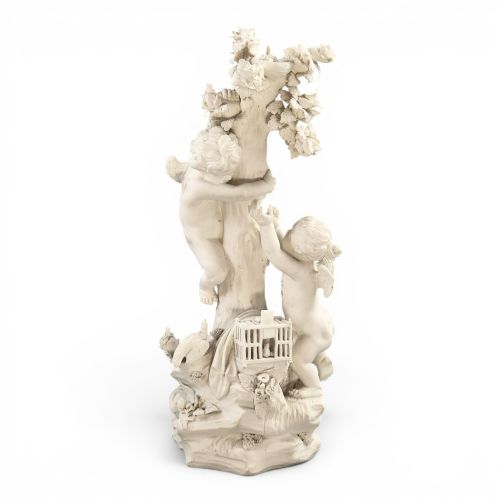
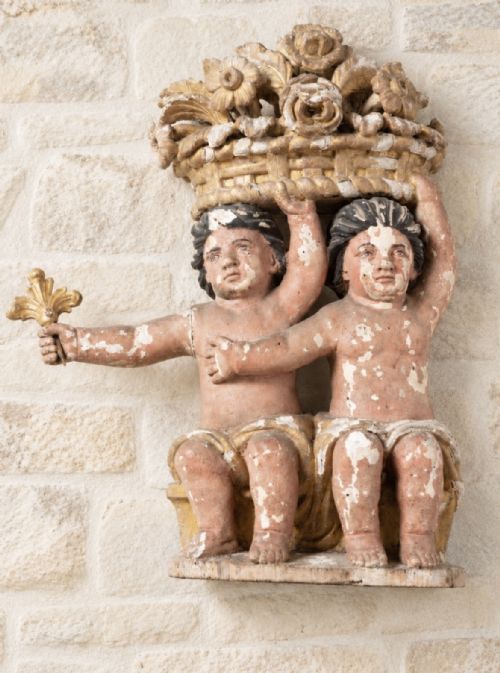
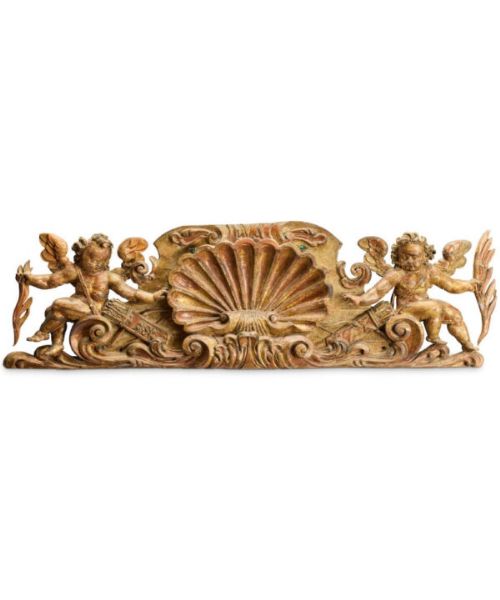
When you search for 18th century putti sculpture, you encounter carved wooden figures, gilt bronze mounts, and porcelain figurines depicting winged cherubs and infants. These decorative objects emerge from Baroque and Rococo traditions, functioning as finials, architectural pediments, and freestanding decorative carvings.
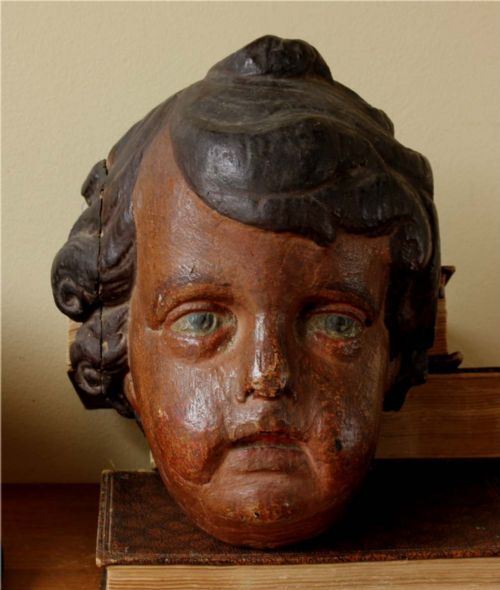
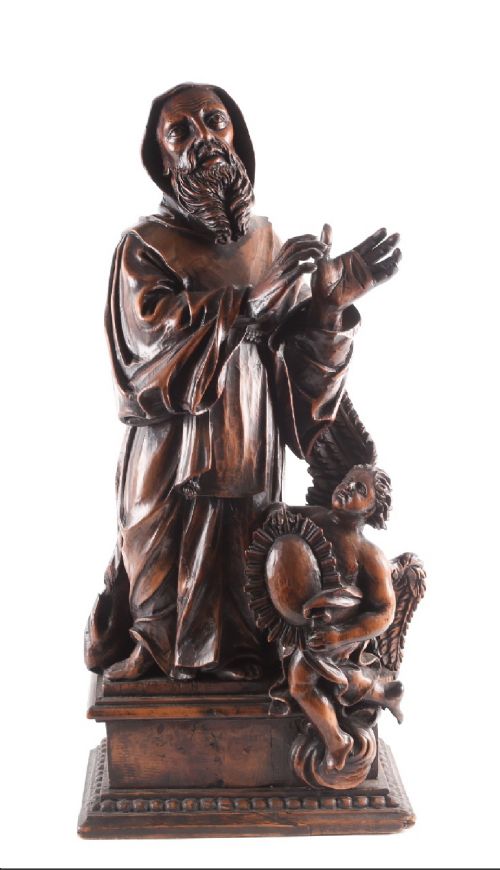
The versions most frequently met on this page include hand-carved wooden cherub heads, polychrome figures on clouds, and pairs of garden putti. They appear in walnut, oak, and gesso, reflecting Italian, French, and English workshop origins from the seventeenth through the nineteenth centuries.
How they were made
Carvers shaped these figures from timbers such as walnut, oak, and pine using specialised gouges and chisels to achieve anatomical detail in the limbs and faces. Artisans then applied polychrome pigments, gold leaf, gesso, or ormolu to the wooden and bronze surfaces to create rich decorative finishes.
Moulders also cast metal components like gilt bronze ormolu mounts, whilst porcelain works such as Derby biscuit figures utilised specialised ceramic pastes fired in kilns. These combined techniques of carving, casting, and gilding defined the production of sculptural ornamentation during the period.
Several cherubs retain faint traces of ancient paint beneath layers of wax, whispering secrets of forgotten Italian workshops.
What varies in quality
The sculptural depth of the carving dictates the distinction between standard production and superior craftsmanship, visible in the naturalistic rendering of musculature and facial expression. A fluid integration of the putto form with its supporting cloud or architectural element demonstrates the maker's sculptural command.
The preservation of original surface treatments, including polychrome pigments and gold leaf application, substantially influences the visual presence of each piece. Finer examples retain their historic finishes intact, whereas secondary works often exhibit later overpainting or surface stripping.
Grinling Gibbons
The 18th Century Putti Sculpture Glossary
- Putto
- A figure of a human infant, frequently winged, depicted in classical art and sculpture. They appear singly or in groups across Italian and French decorative works.
- Ormolu
- Finely ground high-carat gold applied to a bronze base using mercury amalgamation. This technique creates a rich golden finish on decorative mounts and ornaments.
- Gesso
- A plaster mixture applied to wood surfaces as a base for painting or gilding. It provides a smooth ground that accepts gold leaf and polychrome pigments.
- Pediment
- A triangular or curved architectural element placed above doors, windows, or furniture. Carved putti and cherub heads frequently adorn these structures.
18th Century Putti Sculpture: Frequently Asked Questions
What is a putto?
A putto is a representation of a plump, naked infant, often winged, derived from classical mythology and Christian art. Sculptors used them to convey a sense of playful movement or spiritual devotion in domestic and ecclesiastical interiors.
Over the centuries, these figures evolved from religious contexts into popular decorative motifs within Baroque and Rococo design. They appear frequently on architectural pediments, furniture mounts, and as independent wooden or metal sculptures.
How do I clean carved wood?
Dust carved wooden sculptures gently with a dry, soft-bristled brush to remove particulate matter from deep recesses. Avoid using commercial liquid polishes, water, or chemical solvents that might damage historic polychrome or gilt surfaces.
Maintaining stable relative humidity in the room prevents the timber from splitting or warping over time. Professional conservation assessment is recommended if the gesso or gold leaf shows signs of lifting.
Where were they made?
These sculptures originated in workshops across Italy, France, and England during the seventeenth and eighteenth centuries. Regional stylistic differences emerge in the treatment of the hair, wings, and facial contours.
French ateliers favored ornate ormolu mounts and Rococo fluidity, whilst Italian workshops produced dynamic Baroque architectural carvings in walnut. English carvers often adapted these continental motifs for domestic architectural joinery and garden statuary.
Are they solid wood?
Many figures are carved from single or joined blocks of timber such as walnut, oak, or pine. Some architectural elements combine carved wood with applied gesso layers to build up fine details.
Metal examples consist of cast bronze with ormolu finishes rather than solid precious metals. Garden ornaments utilise durable lead cast in moulds rather than carved organic materials.