




Baroque Framed Engravings
Baroque framed engravings bring heavy timber and intricate portraiture together, offering a direct line into the grand decorative schemes of the seventeenth and eighteenth centuries.
Baroque Framed Engravings
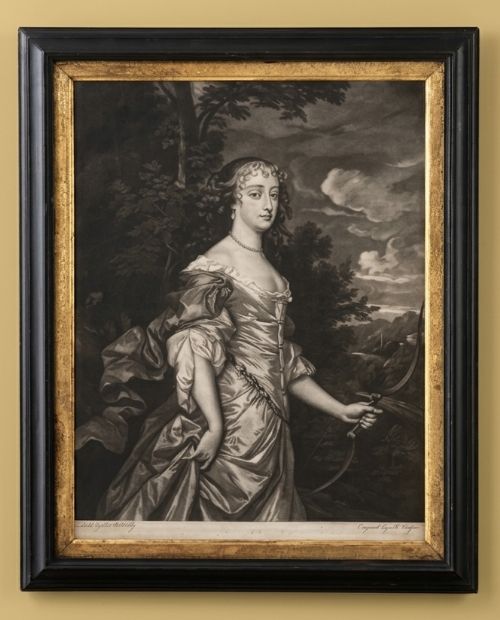
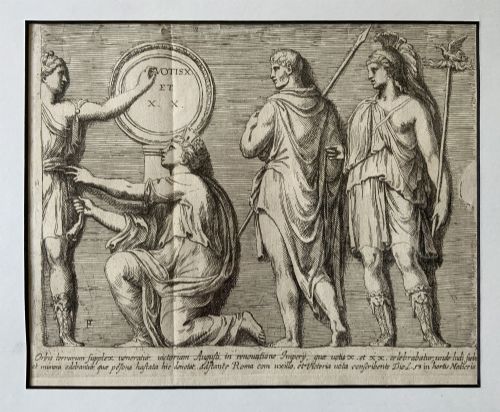
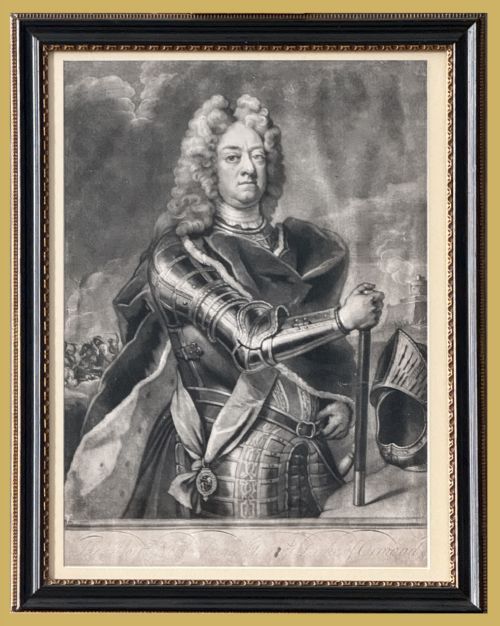
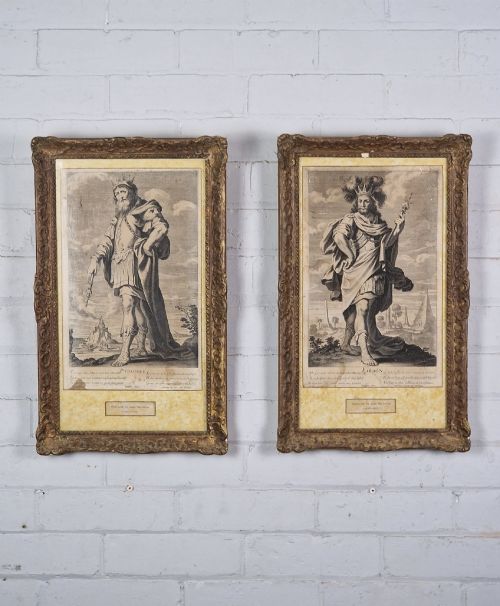
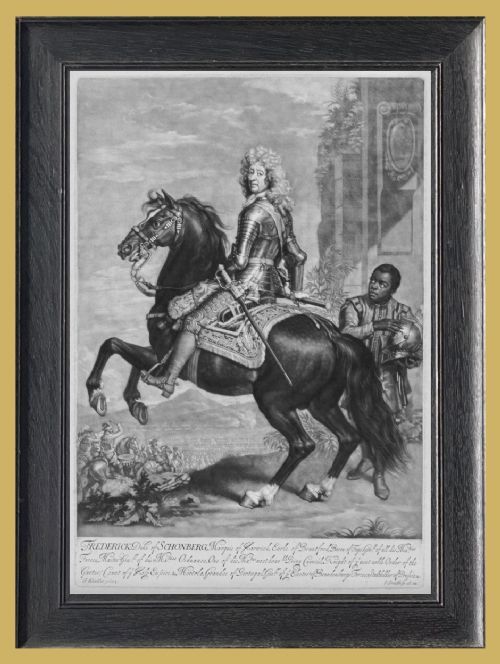
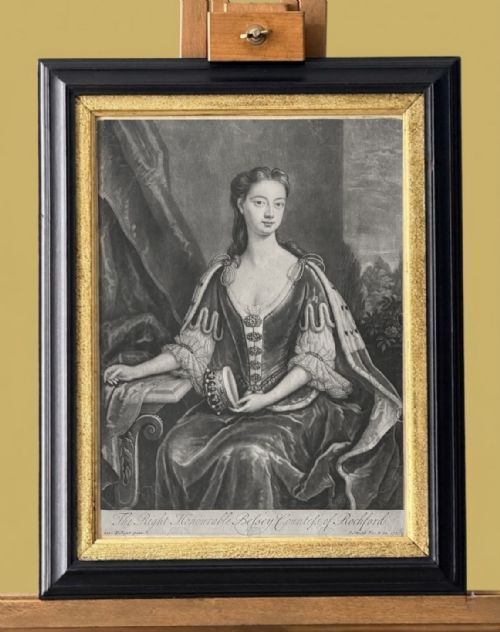
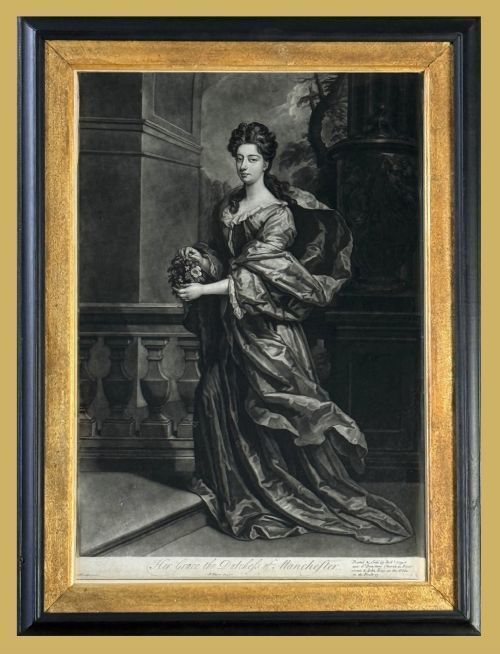
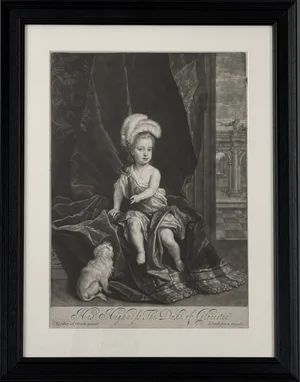
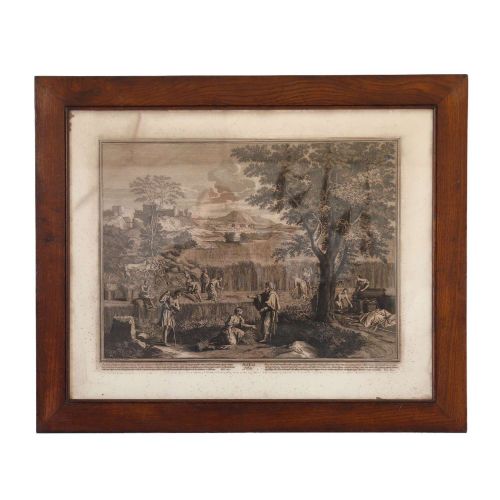
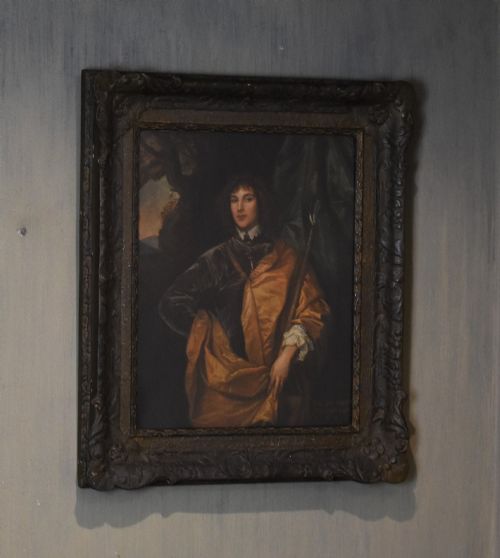
Baroque framed engravings combine detailed printed portraiture and classical scenes with elaborate wooden surrounds from the seventeenth and eighteenth centuries. These works frequently depict notable figures, nobility, and historical compositions executed by prominent printmakers of the era.
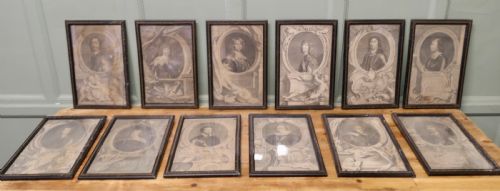
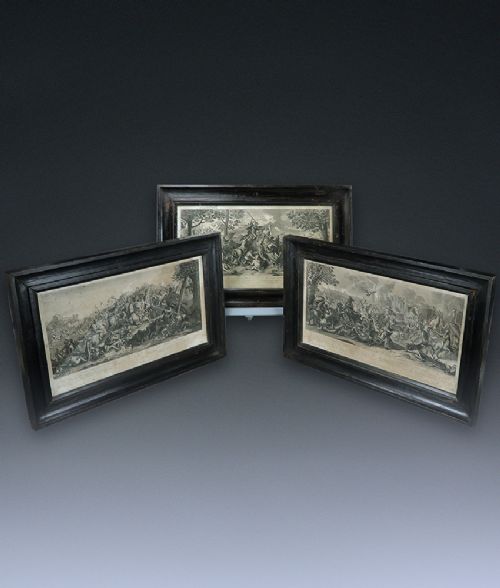
Buyers will encounter single portrait mezzotints alongside sets of prints and matched pairs housed in period surrounds. The imagery draws heavily on the work of contemporary painters and classical antiquity, rendered through fine ink lines on aged paper.
How they were made
The visual components rely on paper and ink, utilising traditional engraving and mezzotint techniques to build deep tonal ranges and sharp linear detail. Master printmakers translated complex paintings into monochrome plates through meticulous hand labour.
The surrounds employ timber such as walnut, often finished with gold leaf to catch the candlelight of period interiors. Glazing protects the delicate paper beneath while heavy wooden mouldings provide structural weight.
Listings span the seventeenth and eighteenth centuries, incorporating paper, wood, glass, ink, gold leaf, and walnut across various portrait and classical art forms.
What varies in quality
Quality rests on the crispness of the ink impression and the depth achieved by the original printmaker during the pulling of the plate. Finer examples show sharp contrasts and preserved paper integrity without excessive fading.
The joinery and finish of the timber surrounds contribute significantly to the overall merit of the piece. Authentic period frames matched closely to the age of the print elevate the integrity of the ensemble.
John Smith·John Simon·John Faber Jr·Jacobus Howbraken·Jean Mariette
The Baroque Framed Engravings Glossary
- Mezzotint
- A printmaking process where the copper plate is roughened to produce dark tones, allowing smooth gradations of light and shade. This method was widely favoured for seventeenth and eighteenth-century portraiture.
- Engraving
- A technique involving the direct cutting of lines into a metal plate using a sharp tool called a burin. The resulting incisions hold the ink for transfer onto paper.
- Gold Leaf
- Extremely thin sheets of beaten gold applied to wooden frames as a decorative surface finish. It provides a reflective quality characteristic of the period.
- Walnut
- A dense, dark timber frequently utilised for seventeenth-century frames due to its stability and rich grain. It remains a primary material identifier for period surrounds.
Baroque Framed Engravings: Frequently Asked Questions
How do I hang these heavy frames?
These pieces require secure wall anchors due to the substantial weight of the timber and glass construction. Professional picture hanging hooks rated for heavy loads ensure safety.
Position the centre of the frame at eye level to replicate the display methods typical of historic houses and period galleries.
Can I put them in direct sunlight?
Direct sunlight damages the aged paper and causes the dark printing ink to fade over extended periods. Wall placement away from south-facing windows preserves the visual contrast of the print.
Indirect ambient light allows proper viewing without accelerating the degradation of organic materials.
How do I clean the timber frames?
Dust the wooden mouldings gently with a dry, soft cloth to remove surface particles without disturbing the finish. Avoid liquid polishes and chemical cleaners that might penetrate the grain.
Check the stability of the mitred corners periodically during routine maintenance.
Are these prints original to the frames?
Many pieces retain their period surrounds, though centuries of handling mean some pairings occurred later in their lifespan. Examining the backboards and fixings often reveals clues about the history of the assembly.
Both seventeenth and eighteenth-century examples frequently show signs of age consistent across both paper and wood.