


Baroque Carved Stand
These pieces for a baroque carved stand bring dramatic proportion and rich carving into a room, spanning centuries of continental craftsmanship.
Baroque Carved Stand
A baroque carved stand encompasses sculptural wooden supports, torcheres, pedestals, and cabinets raised on legs from the seventeenth to the nineteenth centuries. Italian and Portuguese workshops dominate the origin of these pieces, alongside English interpretations in the William and Mary style.
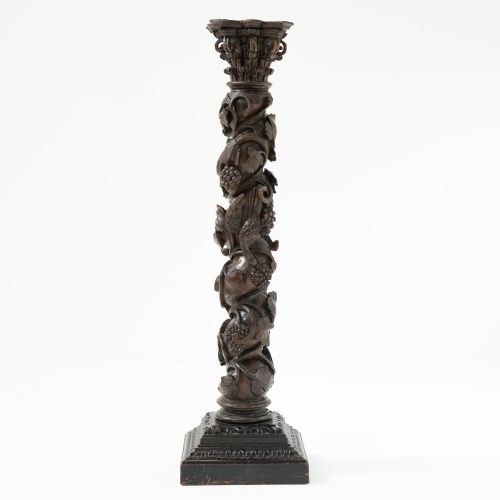
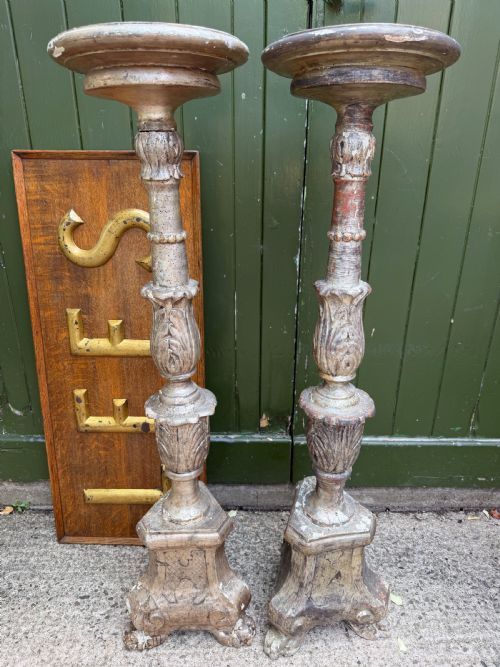
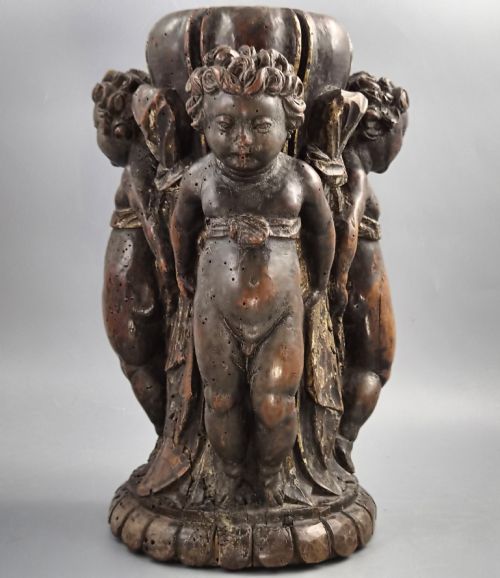
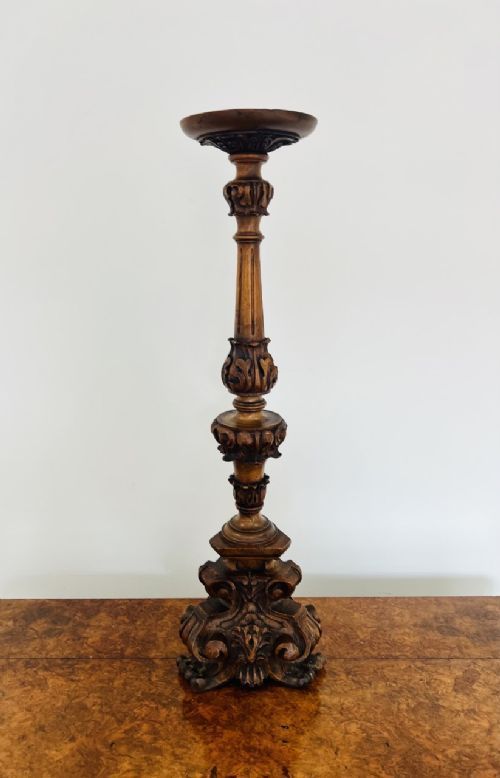
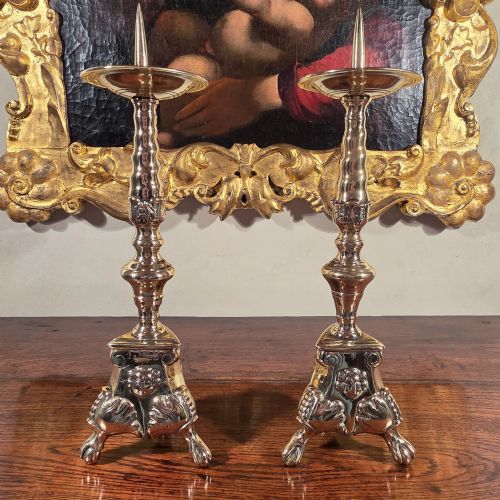
The common form on this page is the torchere or candle stand, often carved from walnut or pine and finished with giltwood, gesso, or polychrome paint. These tall supports frequently feature figures, putti, or twist-turned columns designed to display light or sacred objects.
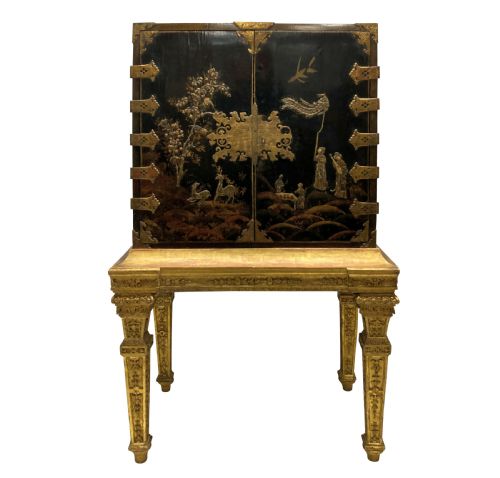
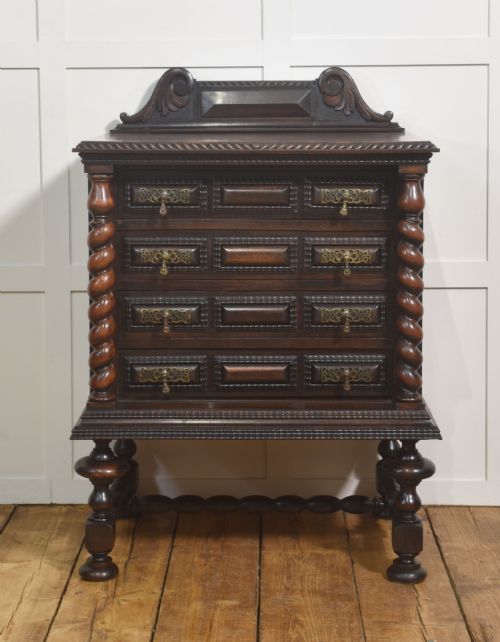
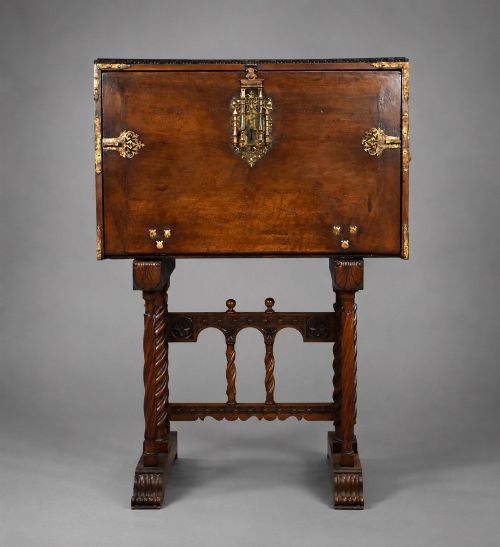
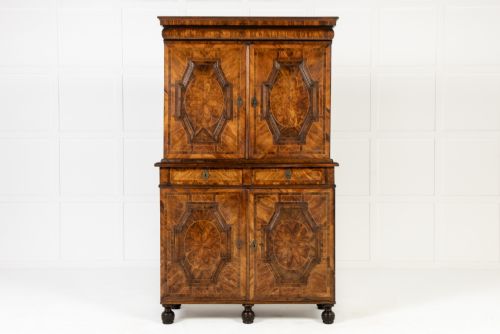
Cabinets on stands also appear, pairing enclosed storage with ornate bases in walnut, rosewood, or olive wood. Buyers select these items to anchor a corner or display decorative objects with historic gravity.
Materials and Construction
Carpenters shaped the structural elements from solid hardwoods such as walnut, oak, and pine, employing mortise and tenon joints for stability. Surfaces destined for gilding received a coat of gesso before gold leaf was applied and burnished.
Carvers worked the wood directly to create deep relief figures, acanthus leaves, and solomonic columns. Polychrome finishes and silvering were added using traditional pigments and binders over the prepared wood base.
Listings feature walnut, giltwood, and carved pine alongside seventeenth and eighteenth-century origins.
Evaluating Quality and Execution
The depth and clarity of the chisel work separate ordinary items from exceptional examples. Skilled carvers defined muscular tension in figures and crisp edges in foliage rather than relying on heavy plaster layers to fill in shallow details.
Original surface finishes dictate the integrity of a piece. Retained gold leaf, untouched polychrome paint, and the natural patina of aged walnut hold greater architectural and historical weight than later overpainting or stripped timber.
The Baroque Carved Stand Glossary
- Torchiere
- A tall stand designed to hold a light, candle, or basin. These vertical supports often terminate in carved platforms.
- Gesso
- A plaster mixture applied to wood surfaces as a smooth base for gilding and painting. It allows intricate relief work to hold crisp edges.
- Solomonic
- A column shape characterised by a helical twist or spiral shaft. This form adds dynamic movement to pedestals and table legs.
- Giltwood
- Timber coated with gold leaf over a prepared ground. It reflects candlelight and creates opulent visual warmth.
- Putto
- A plump, winged child figure frequently carved into Italian furniture and stands. These motifs derive from classical art and Renaissance revivals.
Baroque Carved Stand: Frequently Asked Questions
What is a torchere stand used for?
Historically, a torchere held a candle or oil lamp to illuminate dark corners of a room. Today, collectors use them as standalone sculptural pieces or to elevate plants and urns.
Their vertical height draws the eye upward, making them useful for filling empty wall space without taking up significant floor area.
How do I identify a seventeenth century piece?
Seventeenth century pieces often display heavier construction in solid walnut or oak, with hand-cut joins and deep, restrained carving styles. Surfaces show genuine age through oxidation and wear patterns rather than artificial distress.
Consulting the secondary wood used inside cabinets or drawers helps confirm the period manufacturing methods.
Where were these stands made?
The pieces originate primarily from continental Europe, with Italian, Spanish, and Portuguese workshops producing the most dramatic carved examples. English makers also adopted these continental styles during the William and Mary period.
Regional preferences show in the choice of timbers, such as olive wood in Italy or rosewood in Portugal.
How should I clean gilded wood?
Giltwood requires gentle maintenance using a soft, dry brush to remove dust from the carved recesses. Moisture and modern chemical cleaners can damage fragile gold leaf and underlying gesso.
Keeping the piece away from direct sunlight and humidity protects both the timber substrate and the delicate surface finish.