





Italian Carved Torchere
An italian carved torchere brings dramatic height and sculptural presence to a room, holding light or plants on carved timber stands.
Italian Carved Torchere
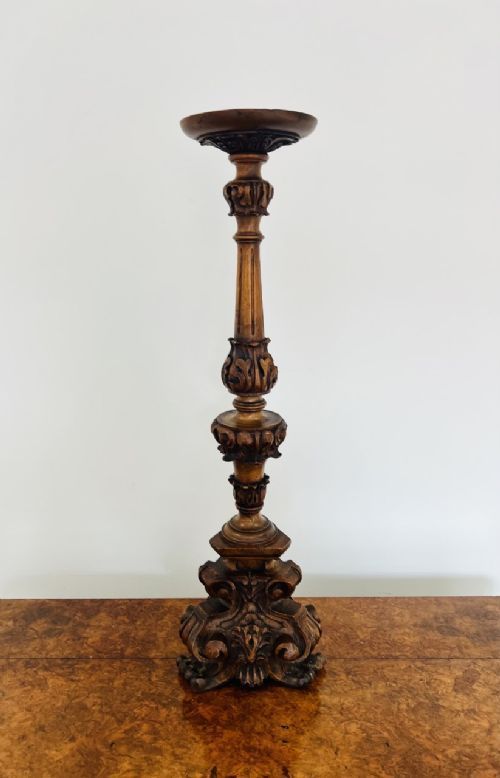
An italian carved torchere stands as a tall pedestal, floor lamp, or candle stand designed to elevate objects and illuminate spaces. The pieces gathered here span from the eighteenth century through the early twentieth century, showing diverse forms from simple columns to elaborate figural supports.
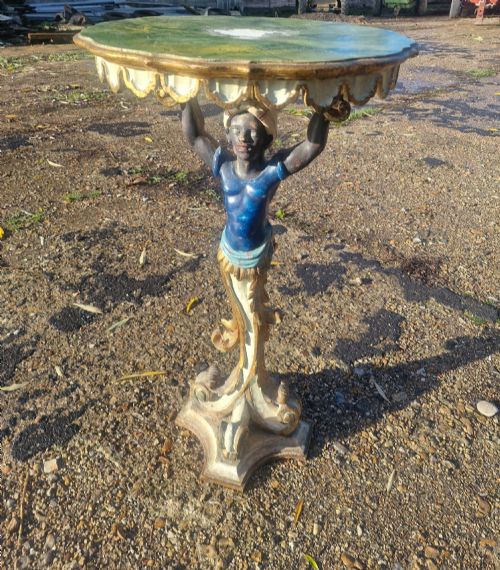
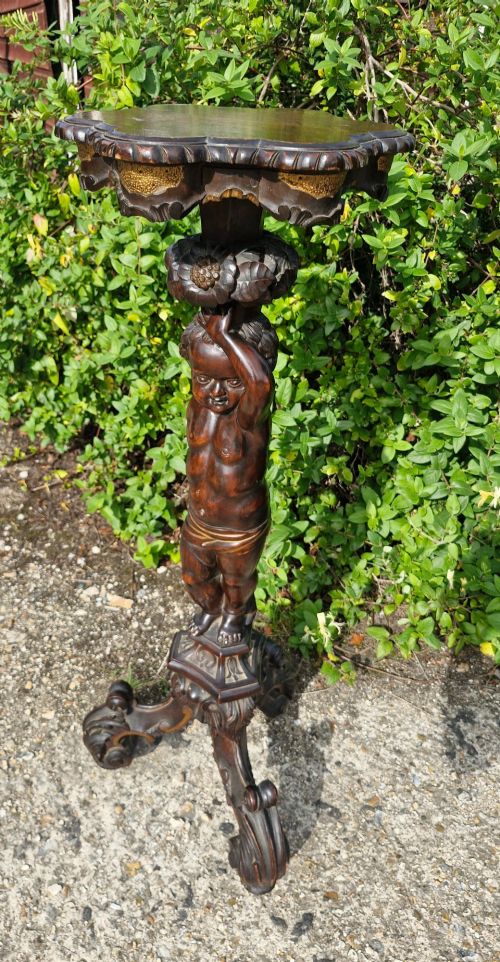
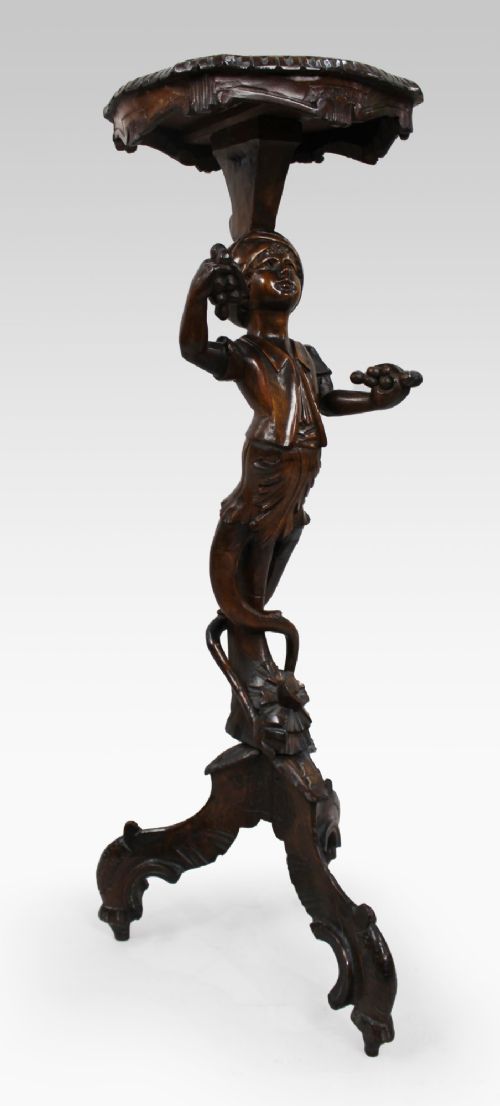
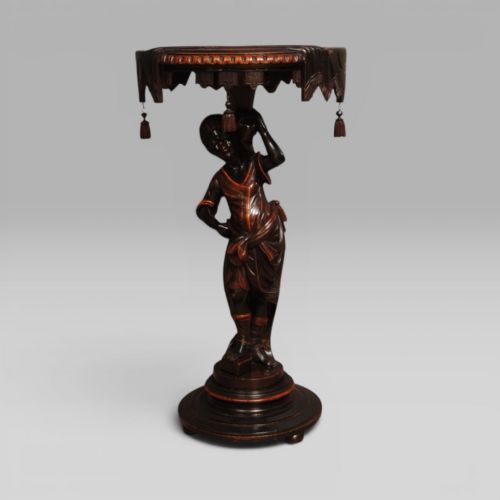
Many examples emerge from Venetian traditions, often taking the form of carved figures including gondoliers and attendants holding trays or stands. Alongside these figural works appear architectural pedestals, triform stands, and classical columns rooted in Baroque and Renaissance Revival styles.
How they were made
Maker's hands shaped these pieces from timber such as walnut, pinewood, and other carved woods, often applying layers of gesso to build up intricate surface details. Artisans then finished the surfaces with gold leaf, silvering, ebonising, or polychrome paint to achieve rich decorative effects.
The construction combines structural timber cores with delicate surface carving and applied ornamentation. Painted and gilt surfaces frequently show hand-applied pigments over gesso grounds, which age organically over the centuries.
Italian Carved Torchere Retail Price Guide 2026
Typical asking prices for italian carved torchere among the pieces listed under this phrase on Sellingantiques today, from the lower quarter to the upper quarter. They describe what is for sale here now, not the wider market.
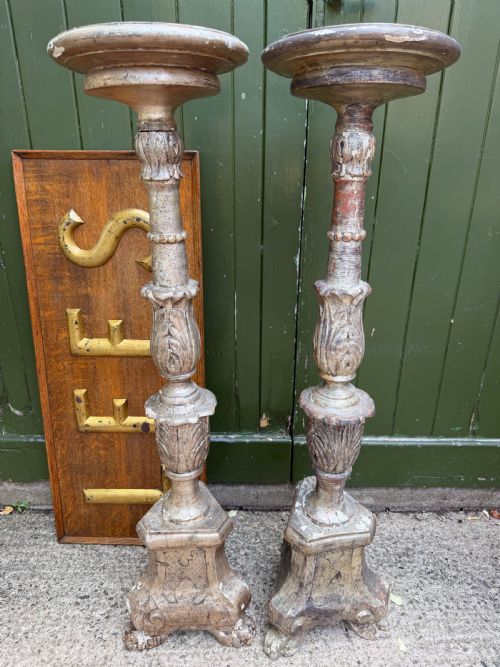
The selection includes eighteenth-century silvered and painted stands alongside nineteenth-century Venetian figural works and marble columns.
What varies in quality
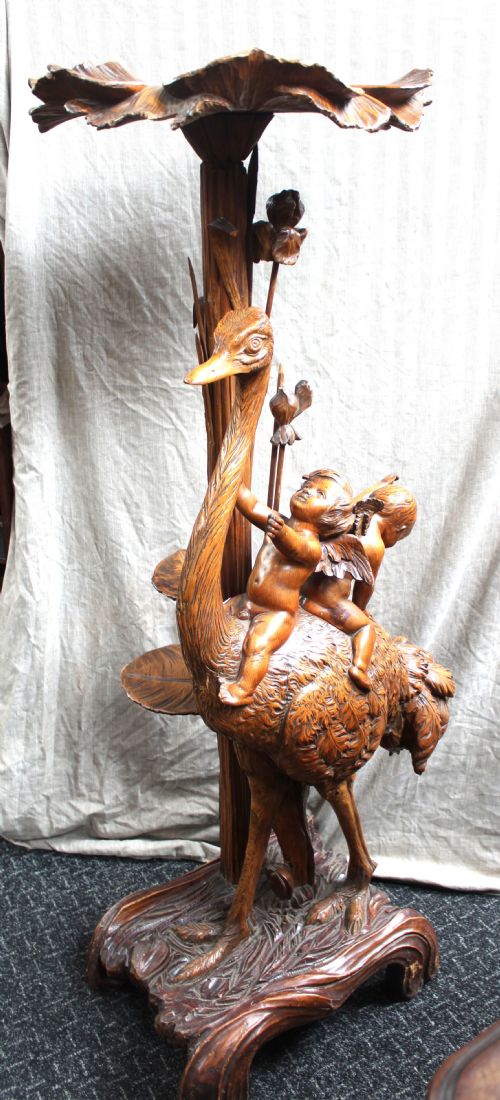
The distinction between ordinary and exceptional pieces lies in the crispness and depth of the carving. Master carvers produced figures and foliage with anatomical accuracy and fluid movement, whereas lesser works rely on repetitive, shallow tool marks.
The survival of original surface finishes dictates the desirability of a piece. Original polychrome paint, untouched gilding, and early patination on walnut carry far more visual weight than later overpainting or stripped timber.
The Italian Carved Torchere Glossary
- Torchere
- A tall stand designed to carry a light, candle, or decorative object. Originally built for illumination, these pieces now often serve as plant stands or sculptural pedestals.
- Giltwood
- Timber coated with gold leaf or powder over a prepared ground. This technique creates a luminous surface that catches candlelight.
- Gesso
- A plaster mixture applied to wood surfaces to create a smooth base for gilding and painting. It allows carvers to achieve sharp relief details.
- Triform
- Having three sides or a triangular base. Triform pedestals offer stability while maintaining a slender profile.
Italian Carved Torchere: Frequently Asked Questions
What is an italian carved torchere used for?
These tall stands traditionally supported candles or oil lamps to illuminate large rooms and hallways. Today, collectors utilise them to hold table lamps, sculptural objects, or large house plants.
Their vertical presence makes them effective for filling empty corners or framing architectural doorways without taking up much floor space.
How do I identify a Venetian blackamoor torchere?
Venetian figural pieces often depict attendants, gondoliers, or exotic figures wearing elaborate, brightly painted garments. They frequently hold trays, pedestals, or candle arms outstretched.
These works date predominantly from the eighteenth and nineteenth centuries, featuring original polychrome paint and parcel-gilt surfaces.
Are these stands made of solid wood?
Most pieces utilise solid timbers such as walnut, pinewood, or fruitwoods as a primary structural core. Carvers then applied gesso directly onto the timber to model fine details and decorative motifs.
Surfaces were subsequently finished with gold leaf, paint, or ebonising rather than applied veneers.
How do I date an antique torchere?
Dating relies on stylistic clues, construction methods, and the ageing of surface materials like gesso and paint. Pieces showing Baroque or Renaissance Revival motifs typically date to the nineteenth century, while simpler structural forms often point to the eighteenth century.
Surface wear and the type of pigments used also provide clear indicators of age.