



Baroque Candle Holder
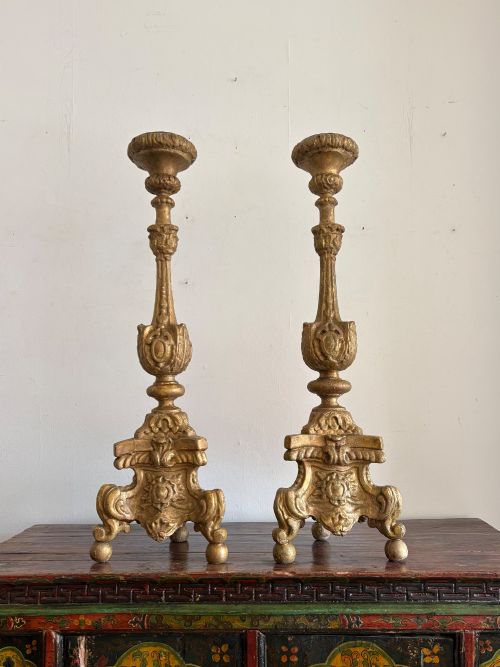
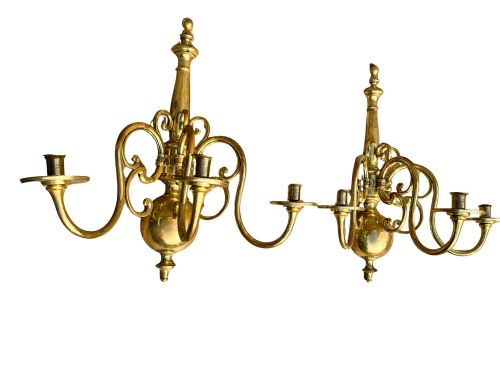
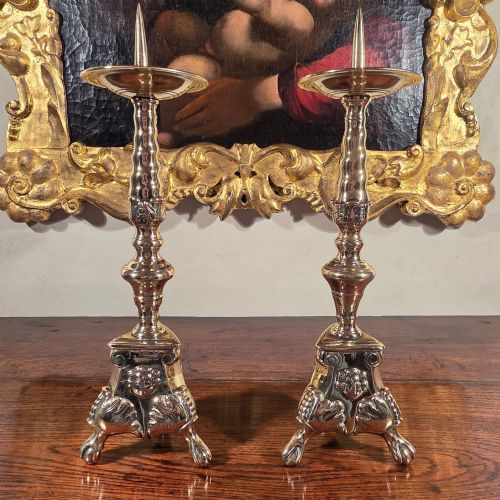
These heavy brass and carved wood baroque candle holder examples bring dramatic seventeenth and eighteenth century presence to a room.
Baroque Candle Holder
A baroque candle holder takes many forms across the inventory, ranging from tall altar sticks and wall sconces to multi-branch chandeliers and standing torcheres. When searching for a baroque candle holder, buyers encounter robust seventeenth century brass designs alongside gilded wooden altar pieces from the eighteenth century.
The selection encompasses both period originals and later nineteenth century revivals, showing influences from Italian, Dutch, and French workshops. These pieces serve functional lighting purposes while functioning primarily as sculptural decorative objects.
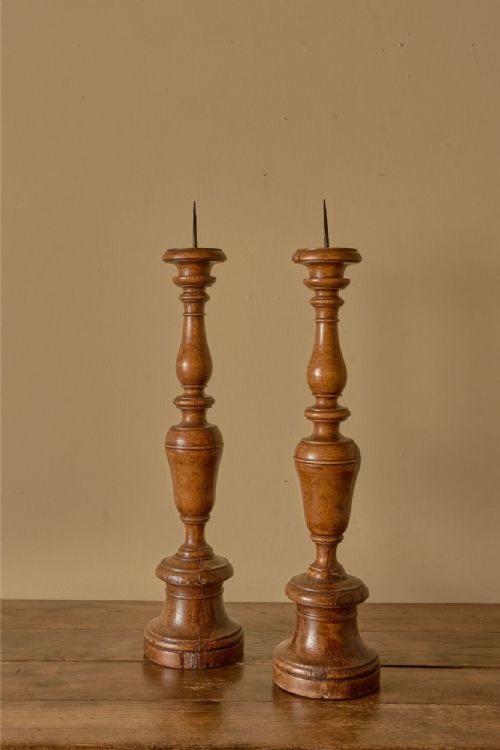
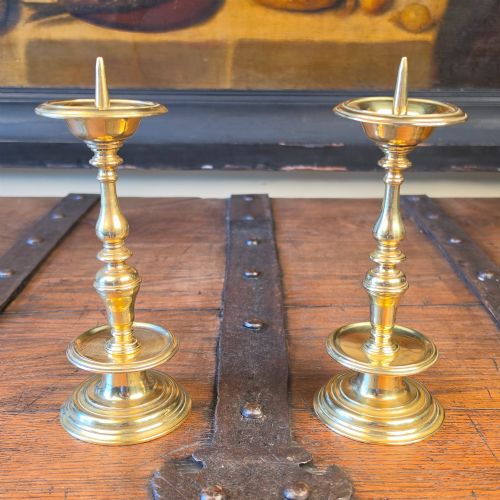
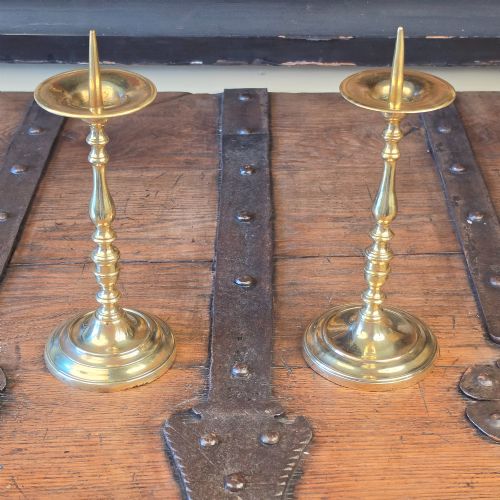
Most examples rely on traditional forms like pricket sticks with sharp spikes for wax blocks or socket candlesticks designed for standard tapers. The variety includes figural pieces such as carved angels and blackamoor figures supporting candle branches.
Materials and construction methods
Metal items utilise cast brass, bell brass, and copper alloy, often shaped with distinct knops and circular bases through traditional foundry work. Bronze and silver also appear in wall sconces and candlesticks, providing heavier metal alternatives to brass.
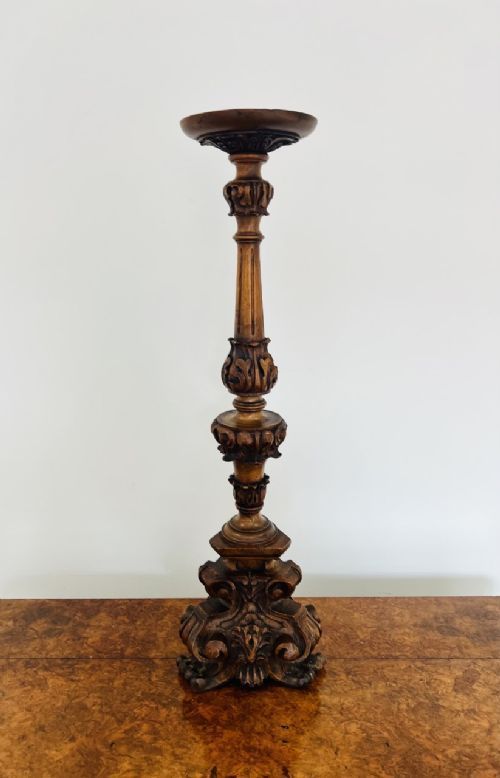
Wooden examples rely on carved pine, walnut, and pinewood beneath layers of gesso, gold leaf, and polychrome decoration. Craftsmen carved these altar sticks and torcheres by hand before applying delicate gilding to accentuate the scrolls and acanthus motifs.
Baroque Candle Holder Retail Price Guide 2026
Typical asking prices for baroque candle holder among the pieces listed under this phrase on Sellingantiques today, from the lower quarter to the upper quarter. They describe what is for sale here now, not the wider market.
Carved wooden figures include winged angels and blackamoor stands doubling as multi-branch candelabras.
Assessing craftsmanship and execution
Quality rests upon the crispness of the carving in wooden giltwood pieces and the purity of the metal casting in brass examples. Superior items display deep, purposeful chisel work on acanthus leaves and figures, whereas lesser pieces show softer, more generalised detail.
Original surface preservation heavily dictates the standing of an antique, particularly with gilded wood where the original gold leaf and gesso layers remain intact. Metal pieces achieve higher distinction through heavy gauge construction and authentic period wear rather than modern interventions.
The Baroque Candle Holder Glossary
- Pricket
- A candlestick featuring a sharp metal spike at the top designed to impale and hold a candle block securely in place. This form appears frequently on altar sticks from the seventeenth and eighteenth centuries.
- Torchere
- A tall decorative stand or candlestick designed to elevate a light source above floor level. These carved wooden pieces often feature elaborate scrolls and figures.
- Giltwood
- Timber that has been coated with a thin layer of gold leaf over a prepared gesso ground. It provides a brilliant reflective surface favoured in Italian and French decorative schemes.
- Knop
- A prominent bulbous or rounded knob on the stem of a candlestick. This decorative and functional feature provides a secure grip for lifting the metal stick.
Baroque Candle Holder: Frequently Asked Questions
How do I clean a brass candlestick?
Brass pieces benefit from gentle dusting with a soft cloth to preserve their aged patina.
Harsh chemical polishes should be avoided because they strip away the historic oxidation that collectors value.
What is the difference between a pricket and a socket stick?
A pricket uses an upward-pointing metal spike to impale thick wax blocks or candles.
A socket stick provides a hollow cup or nozzle designed to catch dripping wax and hold standard taper candles upright.
Where were these altar candlesticks used?
Altar candlesticks originated in European churches and chapels to illuminate sacred spaces during ceremonies.
Later collectors repurposed these large wooden and brass pieces for domestic display on sideboards and tables.
How can I tell a revival piece from an original?
Revival pieces often replicate seventeenth and eighteenth century styles during the nineteenth century using machine assistance or different fastening methods.
Examining tool marks, metal composition, and the composition of the underlying gesso helps determine the actual age.