



Austrian Pendulum Clock
An austrian pendulum clock is a precision wall timekeeper prized for accurate movement and polished timber casing.
Austrian Pendulum Clock
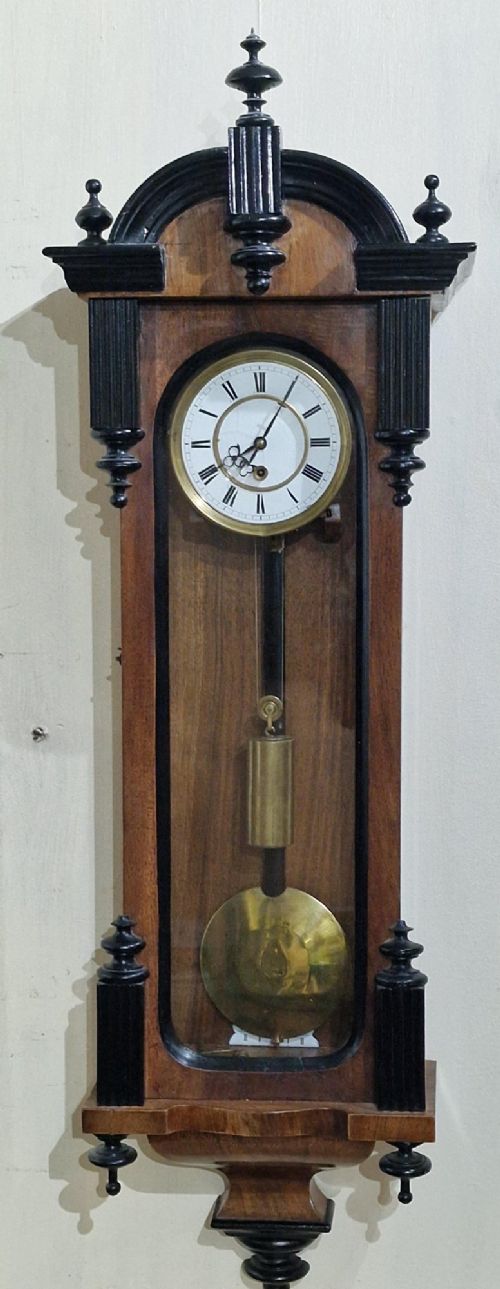
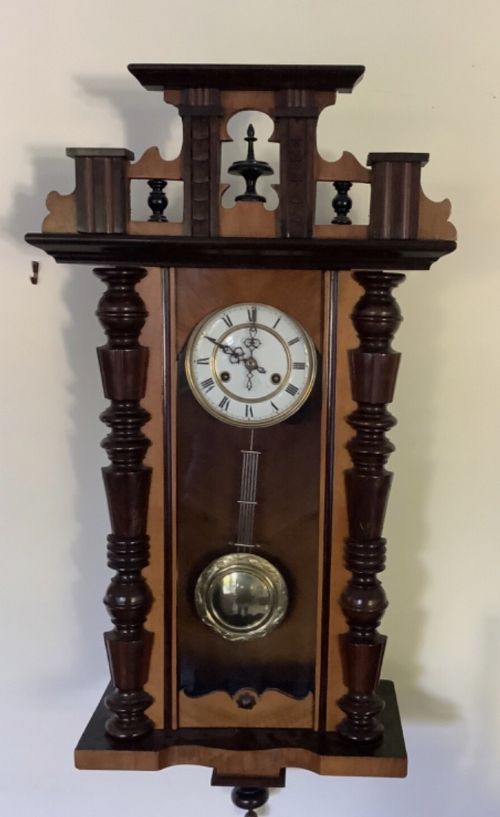
When you search for an austrian pendulum clock, you encounter precision timepieces primarily configured as wall clocks. These examples span the nineteenth century, including Victorian periods and the year nineteen hundred.
The dominant forms on this page are Vienna regulators and Biedermeier wall clocks. Such pieces range from small eight-day timepieces to substantial triple weight movements.
Originating from Austrian workshops, these clocks feature distinct regional characteristics such as glass panels revealing the swinging pendulum and weights. The selection includes specific variations like Grande Sonnerie striking mechanisms.
How they were made
Cabinetmakers utilised walnut, mahogany, and ebonised wood to construct the upright cases that house the mechanisms. Glass panels are fitted into the doors to display the interior weights and swinging pendulum.
The mechanical components integrate brass gears and enamelled dial faces. Movement trains vary from simple timepieces to complex multi-weight striking systems.
Listings include walnut, mahogany, and ebonised wood cases housing brass movements with enamelled dials.
What varies in quality
Quality differences emerge in the complexity of the movement and the refinement of the timber case. Month duration timepieces and triple weight Grande Sonnerie mechanisms represent higher mechanical ambition than basic eight-day versions.
Cabinet work ranges from simple ebonised timber housings to figured walnut veneers with architectural detailing. The clarity of the enamelled dial and the crispness of the brass casting shape the visual distinction between examples.
Gustav Becker
The Austrian Pendulum Clock Glossary
- Vienna Regulator
- A high-precision wall clock developed in Austria during the nineteenth century. These clocks are known for accurate timekeeping and long pendulums.
- Grande Sonnerie
- A striking mechanism that chimes both the hours and the quarters automatically. This complication requires multiple weight trains within the movement.
- Biedermeier
- An influential Central European design style spanning the nineteenth century. It prioritises clean lines and utilitarian comfort over excessive ornament.
- Ebonised Wood
- Timber treated to resemble ebony, a technique popular in nineteenth-century cabinet making. It creates a dark, uniform surface finish.
- Two Train
- A movement featuring two separate gear trains, one for timekeeping and one for striking. This configuration allows the clock to chime on the hour.
Austrian Pendulum Clock: Frequently Asked Questions
How do Vienna regulators work?
These wall clocks operate using a suspended pendulum that regulates the descent of weights driving the gear train. The precision of the escapement ensures accurate time measurement.
Multi-train versions incorporate additional weights to power striking mechanisms that chime the hours and quarters automatically.
Where should I hang my wall clock?
Mount the clock on a sturdy internal wall where temperature fluctuations and vibrations are minimal. A stable surface ensures the pendulum swings evenly and the movement keeps accurate time.
Position the dial at eye level so the glass door permits a clear view of the swinging pendulum and descending weights.
How do I wind the movement?
Use the appropriate winding key to raise the weights or tension the springs inside the case according to the specific mechanism design. Take care not to overwind the clock during this process.
Different models require weekly or monthly winding routines depending on whether they are eight-day timepieces or month duration regulators.
What is a Biedermeier wall clock?
A Biedermeier wall clock is a nineteenth-century timepiece characterised by restrained geometric wooden cases and clear dial designs. These pieces focus on natural wood grains rather than heavy ornamentation.
They represent a specific period of Austrian domestic design that valued practicality and balanced proportions.