

Austrian Bronze Figure
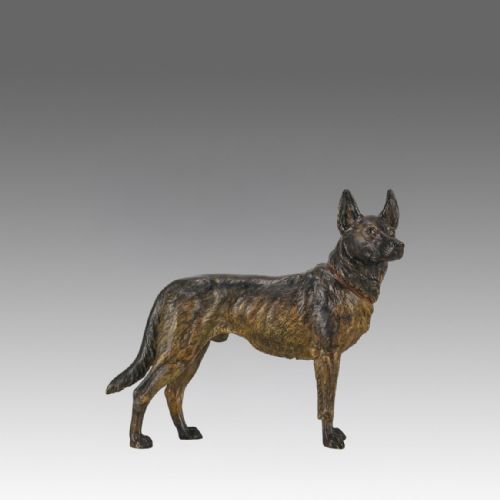
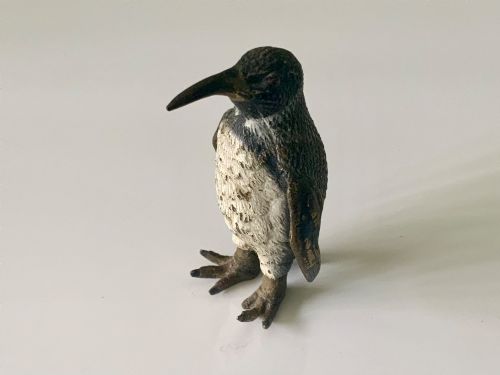
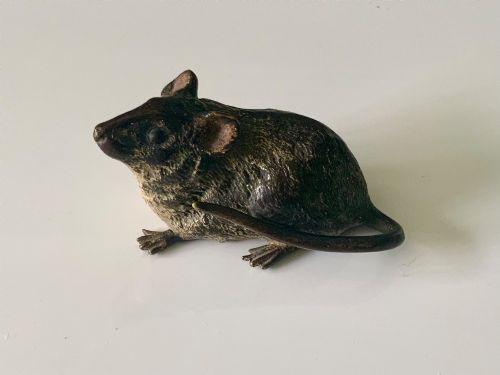
When you search for an austrian bronze figure, you seek the expressive metalwork and animal studies that defined late nineteenth and early twentieth century Vienna workshops.
Austrian Bronze Figure
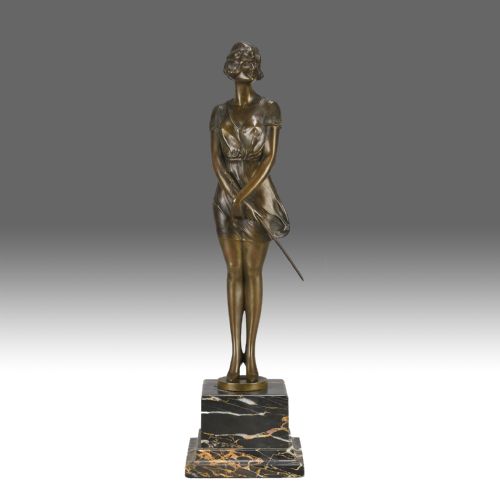
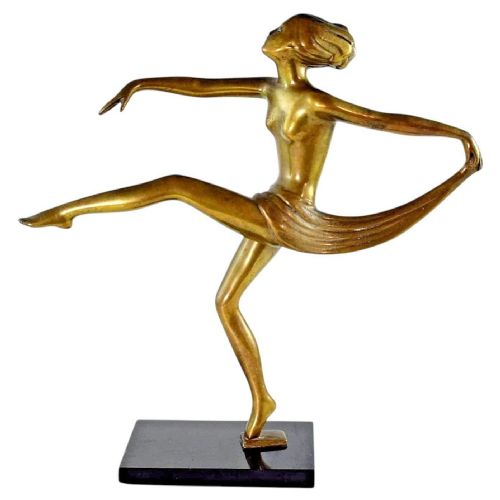
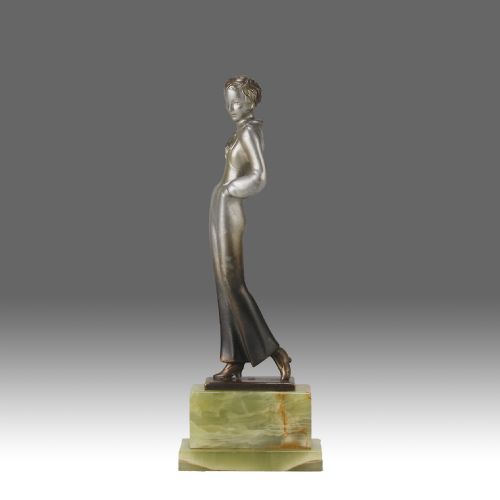
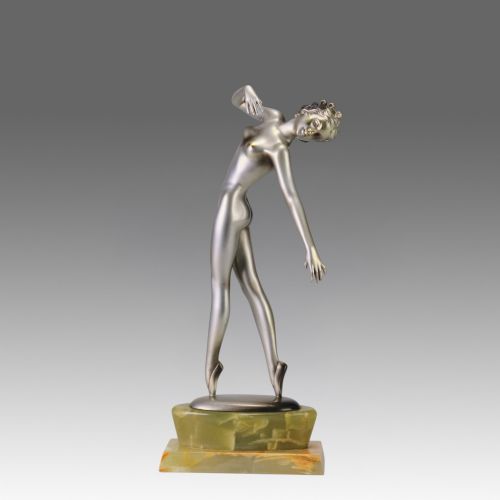
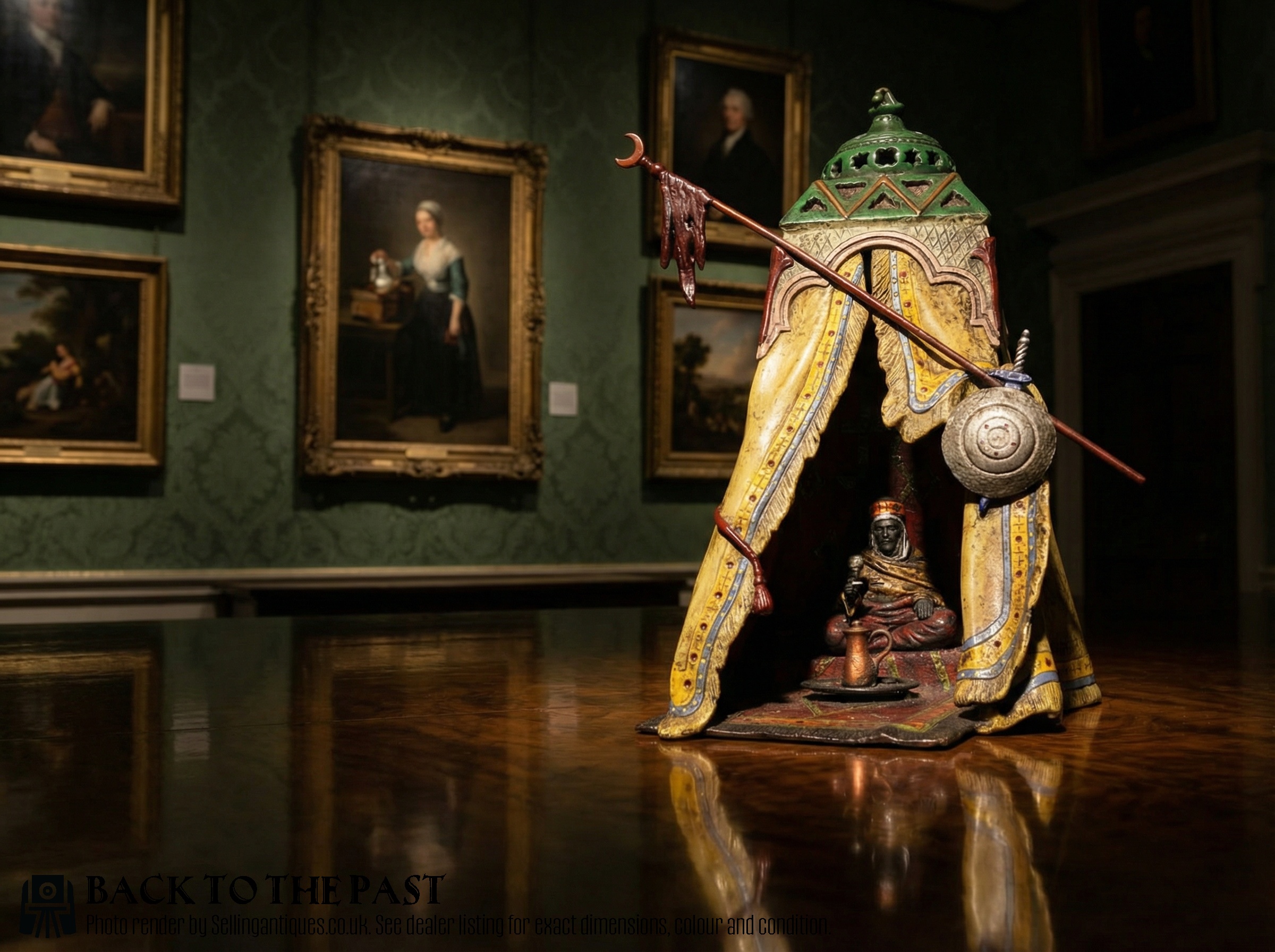
An austrian bronze figure encompasses both human sculptural studies and detailed animal miniatures produced predominantly during the late nineteenth and early twentieth centuries. These works span academic realism, orientalist subjects, and the clean geometric lines of the Art Deco period.
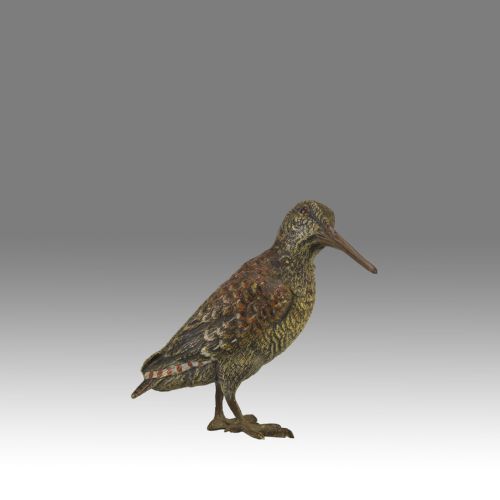
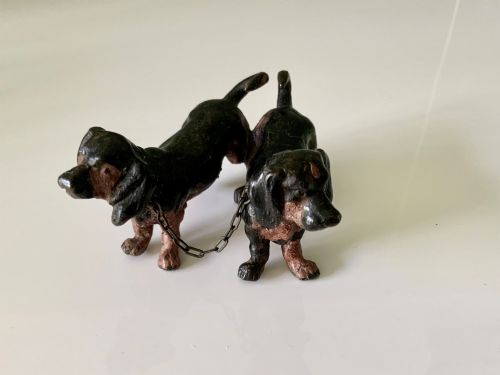
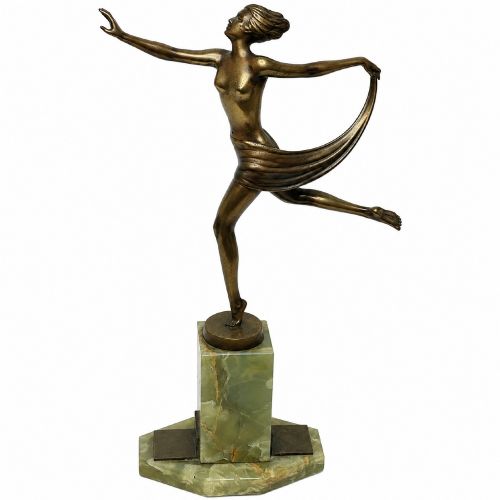
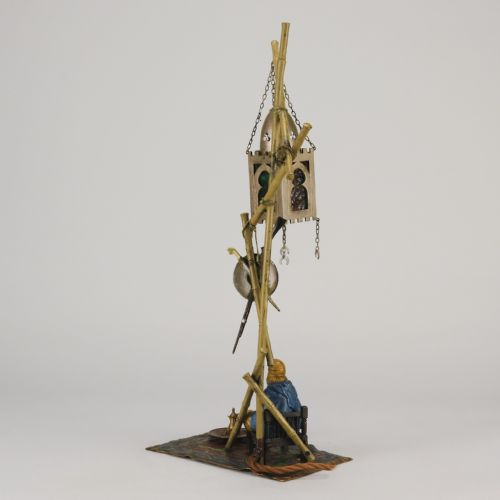
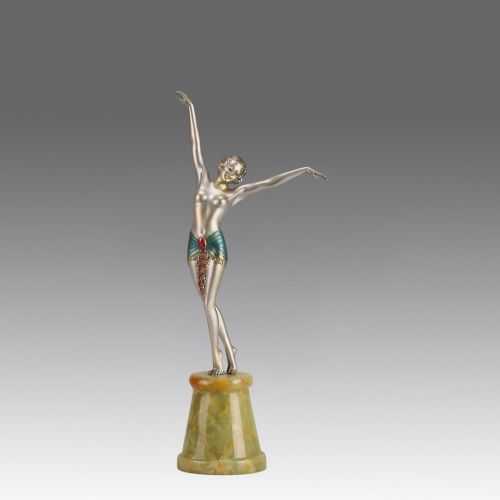
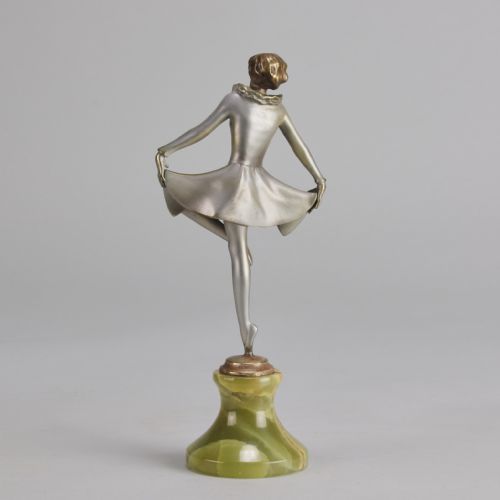
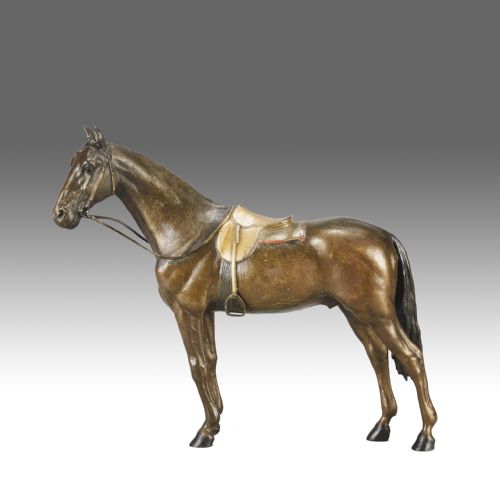
Buyers frequently encounter animal figurines depicting birds, dogs, and horses, alongside human figures ranging from dancers to orientalist subjects. Many of these smaller animal and desk accessory pieces are mounted on natural stone bases such as green onyx or marble.
Materials and Techniques
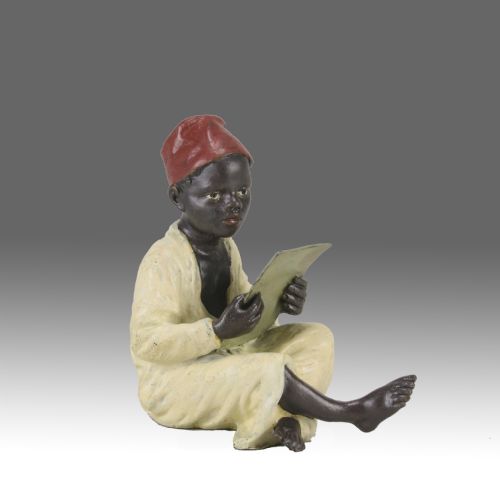
The making of an austrian bronze figure typically involved lost-wax casting in bronze, though some works utilised spelter or terracotta with applied finishes. Artisans applied polychrome cold paint by hand directly onto the metal without subsequent firing, creating detailed multi-coloured surfaces.
Many structural compositions incorporate integrated bases or are mounted directly onto contrasting plinths made of green onyx, marble, or enamel details. This combination of cast metal and tactile hand-painted colour defines the physical output of the Vienna foundries.
Austrian Bronze Figure Retail Price Guide 2026
Typical asking prices for austrian bronze figure among the pieces listed under this phrase on Sellingantiques today, from the lower quarter to the upper quarter. They describe what is for sale here now, not the wider market.
Listings feature cold-painted bronze, onyx bases, and enamel finishes across Victorian, Art Nouveau, and Art Deco periods.
Quality Variations
Quality in an austrian bronze figure is determined by the precision of the initial casting and the artistry of the hand-applied cold paint. Finer pieces demonstrate crisp anatomical detail in the metalwork and subtle, layered brushwork rather than flat, opaque colour application.
The artistic execution of the subject, whether human dancer or animal study, separates standard production pieces from master works by known founders. The integration of the sculpture with its original stone base also influences the overall integrity of the piece.
Rudolf Küchler·Bruno Zach·Franz Bergman·Josef Lorenzl·Friedrich Goldscheider·Richard Thuss
The Austrian Bronze Figure Glossary
- Cold-Painted Bronze
- A bronze sculpture decorated with multiple layers of unfired oil-based paint applied by hand. This technique requires careful preservation to prevent paint loss over time.
- Vienna Bronze
- Small-scale bronze figures produced by specialised foundries in Vienna, famous for animal studies and orientalist subjects. These pieces often feature meticulous cold-painted surface decoration.
- Orientalism
- An artistic style depicting Middle Eastern and North African subjects, frequently explored in early twentieth century bronze casting. Sculptors utilised this theme to create dramatic figures of dancers and warriors.
- Onyx
- A banded variety of chalcedony frequently used as a heavy mounting base for desk accessories and animal figures. Its green coloration complements the dark patination and painted surfaces of the metal.
- Vide Poche
- A small tray or dish designed for emptying pockets, often incorporated into desk accessories featuring mounted animal figures. These functional items combine sculpture with practical desk organisation.
Austrian Bronze Figure: Frequently Asked Questions
Are these figures solid bronze?
Most pieces are cast in bronze using traditional methods, though some examples utilise alternative metals like spelter.
Foundries occasionally paired the metal figures with heavy bases made of green onyx or marble.
Where were they made?
These works originated primarily in Vienna, which served as a major European centre for bronze casting.
Specialised workshops employed skilled artisans and painters to produce both human figurines and animal studies.
How do I identify periods?
Examine the stylistic markers, such as the flowing curves of Art Nouveau or the sharp angles of Art Deco.
Subject matter and mounting materials also help distinguish late nineteenth century academic pieces from later twentieth century works.