



Asian Wooden Storage Box
An asian wooden storage box brings centuries of practical craftsmanship and regional timber tradition directly into a modern interior.
Asian Wooden Storage Box
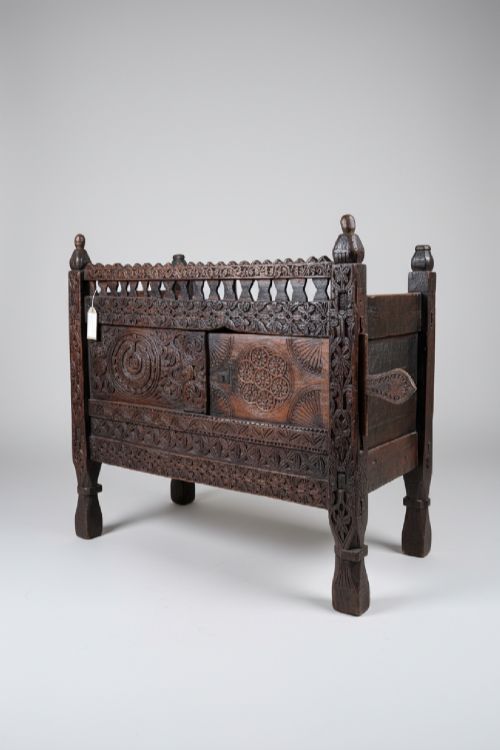
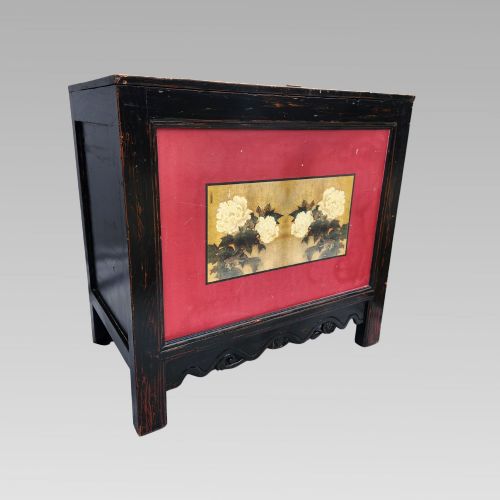
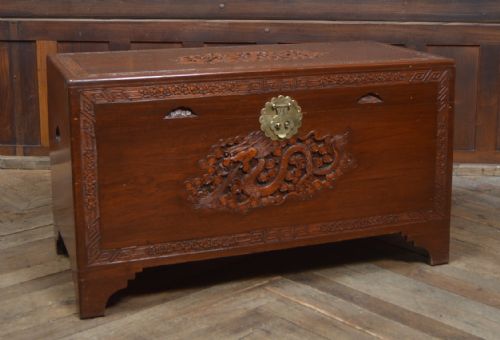
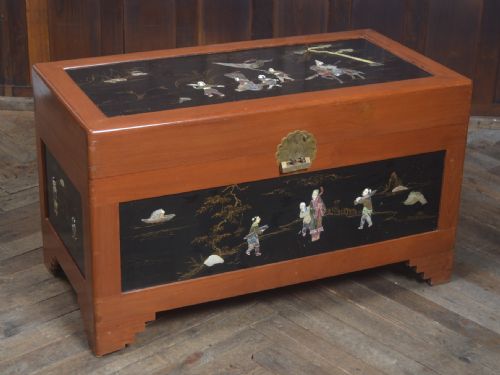
An asian wooden storage box encompasses utilitarian trunks, blanket chests, and smaller table top coffers originating from China, Japan, India, and Burma. These pieces date from the eighteenth century through the early twentieth century, spanning periods such as the Qing Dynasty and the Meiji period. Buyers most frequently encounter camphor wood trunks, elm table top chests, and hardwood coffer boxes within this selection.
Regional styles dictate the primary form and decorative approach, ranging from heavily carved Chinese export camphor chests to Japanese tansu chests and Indian lacquered trunks on stands. Some examples display traditional Chinese motifs, while others exhibit Swat Valley folk art or British colonial influences. Their original functions varied from dowry transport and blanket storage to travelling luggage and porcelain containment.
The dimensions and internal configurations reflect their specific historical uses, with large blanket boxes designed for textiles and smaller fitted compartments intended for travelling valuables. Elm, hongmu, and general hardwoods form the structural basis of these pieces, often paired with brass hardware. Each variant demonstrates the distinct aesthetic priorities of its workshop origin.
Materials and Construction Techniques
Makers utilised resilient regional timbers, predominantly selecting camphor wood for its insect-repellent properties in blanket boxes, alongside dense hardwoods like hongmu and eastern elm for structural integrity. Brass mounts, hinges, and corner plates reinforced the joints while providing functional closure mechanisms. Mother-of-pearl inlay and black lacquer surfaces appeared on select refined items.
Surface ornamentation relied on deep relief carving depicting botanical or narrative scenes, alongside hand-applied lacquer finishes and brass-covered detailing. Joinery techniques accommodated seasonal wood movement in tropical and temperate climates alike. Craftspeople constructed these chests to endure long journeys by sea and land before reaching European collections.
Listings feature camphor wood, elm, and hongmu timbers alongside brass and mother-of-pearl embellishments across eighteenth and nineteenth-century pieces.
Evaluating Construction and Finish
The depth and precision of the hand carving distinguish superior examples from standard production pieces, particularly on camphor wood trunks where crisp botanical motifs indicate skilled execution. The integrity of the timber joints and the retention of original brass hardware heavily influence the overall standard of a box. Superior preservation of delicate lacquer work or mother-of-pearl inlay also separates finer items from heavily restored variants.
Proportion and structural balance play a significant role in assessing quality across different regional typologies, from small elm table top chests to large dowry trunks. Pieces retaining their original stands, hinges, and internal trays command greater technical interest. The natural grain and colour variation of the underlying hardwood contribute to the visual strength of the object.
The Asian Wooden Storage Box Glossary
- Camphor wood
- A fragrant timber native to Asia, traditionally utilised for storage chests due to its natural resistance to insects and dampness.
- Tansu
- A traditional Japanese mobile storage chest built with integrated metal fittings, designed for domestic organisation and utility.
- Coffer
- A heavy wooden chest traditionally used for storing valuables, money, or important documents securely.
- Hongmu
- A dense, dark Asian hardwood translated literally as red wood, often employed in high-status travelling boxes and furniture.
- Chinoiserie
- European artistic style reflecting Chinese decorative motifs, frequently found on eighteenth and nineteenth-century imported or colonial trunks.
Asian Wooden Storage Box: Frequently Asked Questions
What were asian wooden storage boxes originally used for?
These boxes served multiple domestic and transport functions, ranging from large dowry chests carrying household linens to travelling luggage for personal belongings.
Smaller iterations held delicate porcelain sets or valuable documents, while specialised tansu chests organised household goods in Japanese homes.
How do I care for a camphor wood chest?
Keep the wood away from direct heat sources and sudden humidity shifts to prevent the natural timber from splitting or warping over time.
Dust the carved exterior gently with a dry cloth and avoid harsh chemical polishes that might damage aged lacquer or brass mounts.
Are these boxes suitable for modern storage?
Camphor wood boxes remain exceptionally practical for storing blankets, woollens, and linens thanks to the natural aromatic qualities of the timber.
Larger trunks function effectively as coffee tables or statement storage furniture in living spaces, combining historical utility with interior function.
How can I tell the period of a wooden chest?
Dating relies on examining the construction methods, tool marks, brass hardware styles, and the specific characteristics of the regional timber used.
Eighteenth-century examples often display simpler, heavier joinery and distinct patination, whereas early twentieth-century pieces frequently feature deep machine-assisted or intricate hand carving.