


Asian Wooden Accent Table
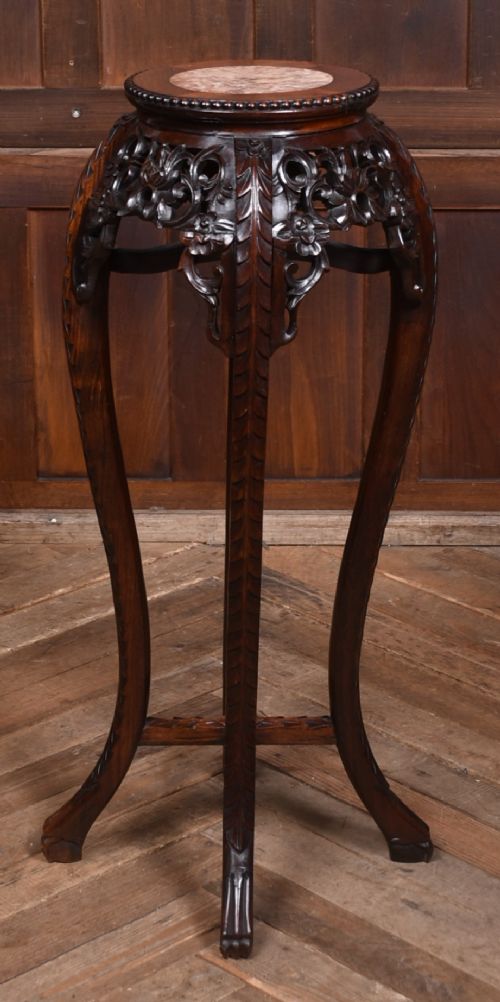
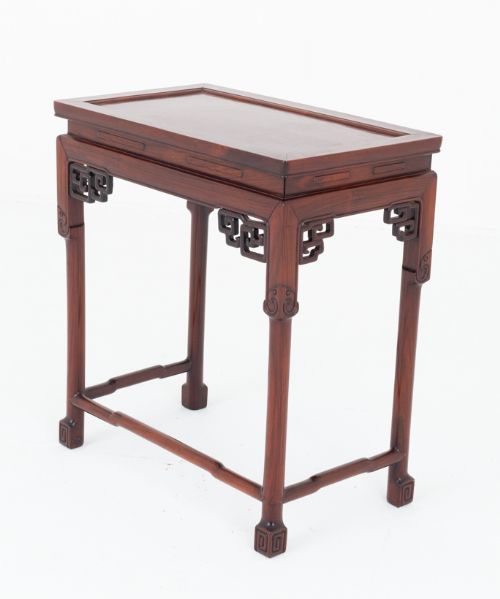
An asian wooden accent table brings grounded texture and distinct regional form into a room, spanning useful coffee tables to decorative plant stands.
Asian Wooden Accent Table
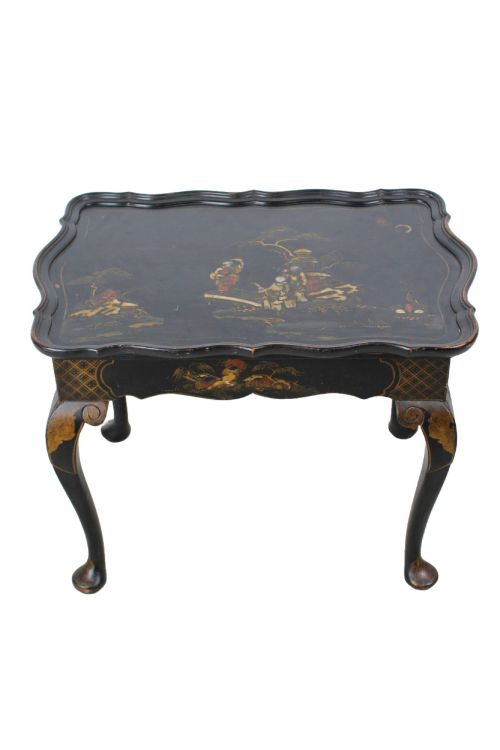
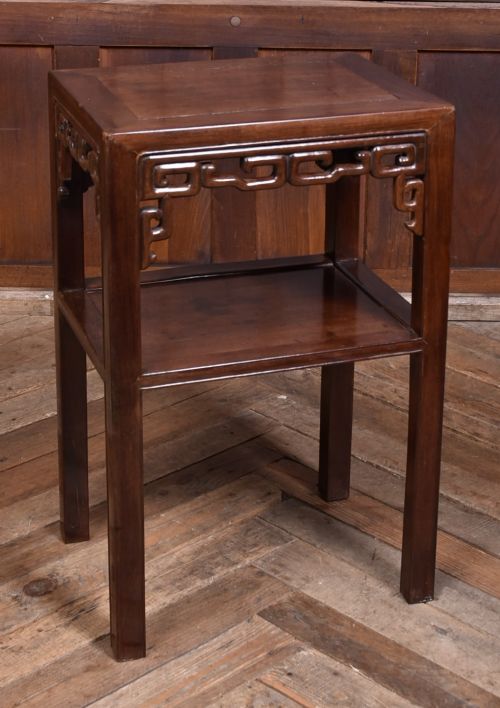
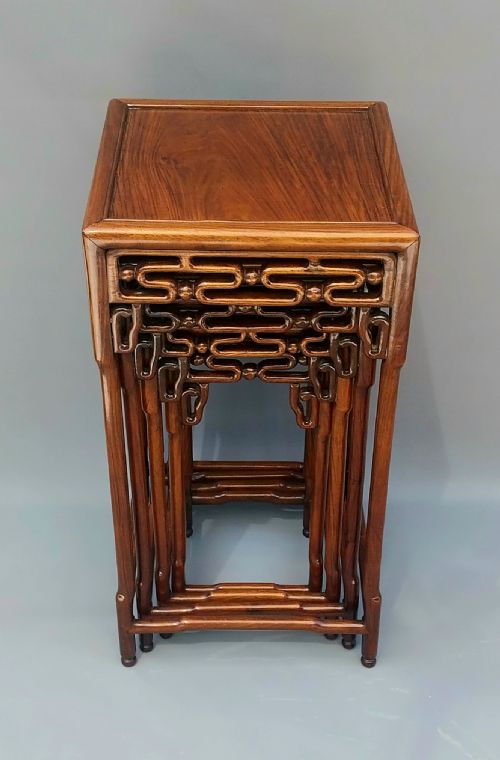
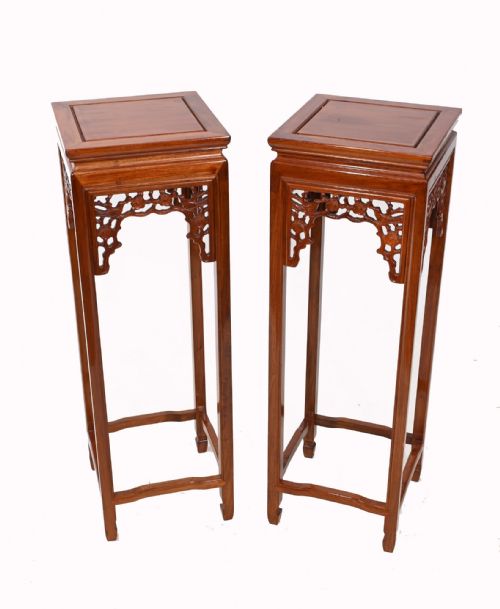
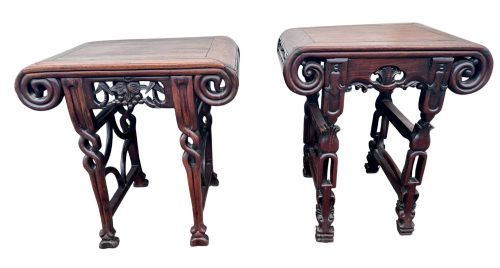
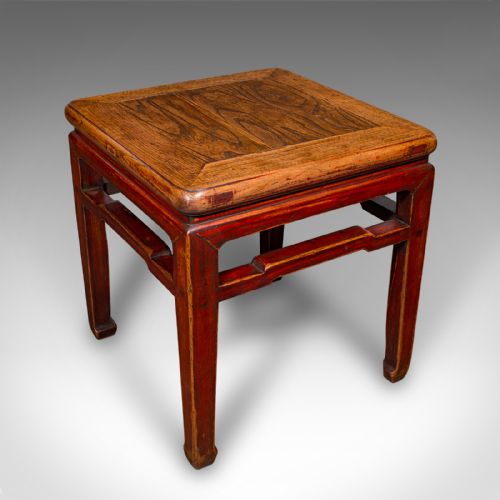
When you search for an asian wooden accent table, you encounter diverse forms ranging from low coffee tables and side tables to nests of four and tall plant pedestals. These pieces originate primarily from nineteenth century and early twentieth century traditions, encompassing Chinese Qing dynasty pieces, Japanese Meiji items, and Anglo-Indian designs.
Materials and Construction
Makers utilised dense timbers such as hardwood, rosewood, hongmu, and elm, often shaped through traditional joinery without reliance on metal fastenings. Certain surfaces feature rich red lacquer or ebonised finishes, while select examples incorporate marble inserts or brass details.
Carving and turnery define the decorative vocabulary, displaying dragon motifs, root wood structures, and tray top edges. These techniques draw upon Chinese traditional and provincial methods alongside Japanese Meiji cabinetmaking standards.
Materials span hardwood, elm, rosewood, lacquer, teak, hongmu, brass, and marble inserts.
Assessing Quality and Execution
Quality rests upon the selection of timber and the crispness of hand carving. Dense hardwoods like hongmu and well-figured elm command greater attention than softer utility woods due to their weight and durability.
Construction integrity separates standard utility pieces from exceptional works. Tight joinery in nests of tables and well-balanced pedestals indicate skilled workshop production rather than hurried output.
The Asian Wooden Accent Table Glossary
- Hongmu
- A dense tropical hardwood frequently utilised in traditional Chinese furniture construction. It provides substantial weight and a rich natural grain.
- Chabudai
- A traditional low dining or tea table used while kneeling on tatami mats. These Japanese pieces often feature solid elm construction.
- Jardiniere
- A decorative stand or pot designed to hold plants or floral arrangements. They frequently appear as tall pedestals with carved tops.
- Tray top
- A tabletop surface featuring a raised moulded rim designed to prevent items from sliding off. This detail occurs on occasional and coffee tables.
- Meiji
- A period in Japanese history spanning from 1868 to 1912. Furniture from this era often combines traditional joinery with refined decorative carving.
Asian Wooden Accent Table: Frequently Asked Questions
Where do I place an accent table?
These compact pieces fit easily beside seating arrangements, in hallways, or as dedicated plant stands in corners.
Their varied heights allow them to function as lamp tables, coffee tables, or display surfaces for decorative objects.
How do I identify Chinese elm?
Chinese elm exhibits a prominent grain pattern with a fibrous texture that accepts dark stains and clear polishes effectively.
It offers sturdy durability while remaining lighter than dense tropical hardwoods like hongmu.
What is a nest of tables?
A nest comprises a graduated set of multiple tables designed to slide neatly beneath one another when not in use.
Cabinetmakers constructed these sets from rosewood and hardwood to provide flexible surface space in compact rooms.
How do I care for lacquer surfaces?
Lacquer requires protection from direct sunlight and excessive heat to prevent cracking or fading over time.
Dust the surface gently with a soft dry cloth and avoid harsh chemical cleaning products.